TL;DR
A c-store can grow foodservice sales by extending operating hours to capture meal occasions beyond traditional lunch and dinner rushes. Savour Hot Chicken, a c-store in Allentown, Pennsylvania, has implemented Krispy Krunchy Chicken and extended its hours, resulting in 30-40 additional orders per day.
One operator built a 4.8-star foodservice destination well past midnight.
A c-store does not necessarily need more traffic to grow foodservice sales. In many cases, the biggest opportunity is simply extending operating hours for its hot foodservice program to capture meal occasions from customers who are ready to buy but can’t because the product isn’t available.
That opportunity is increasingly present beyond the traditional lunch and dinner rushes, when customers want convenient, satisfying food at hours when nearby restaurants may be closed or no longer serving a full menu.
“Most operators naturally focus on bringing more customers through the door, but there is often a significant untapped opportunity within the traffic they already have,” says Chris Schulz, vice president of sales for Krispy Krunchy Chicken. “The key is giving existing customers more reasons to visit throughout the day and meeting their needs across multiple meal occasions.”
When foodservice is available, a routine fuel, beverage, or convenience purchase can become a larger transaction. Customers can get their meal, drinks, and other essentials in one stop rather than making an additional trip to a quick-service restaurant. Over time, that availability can also reinforce the store’s role as a dependable meal destination.
“Consumers increasingly expect that kind of convenience regardless of daypart. C-stores are already open and serving this traffic,” Schulz says. “Keeping fresh, craveable food available when many competitors are closed creates an opportunity to capture additional sales.”
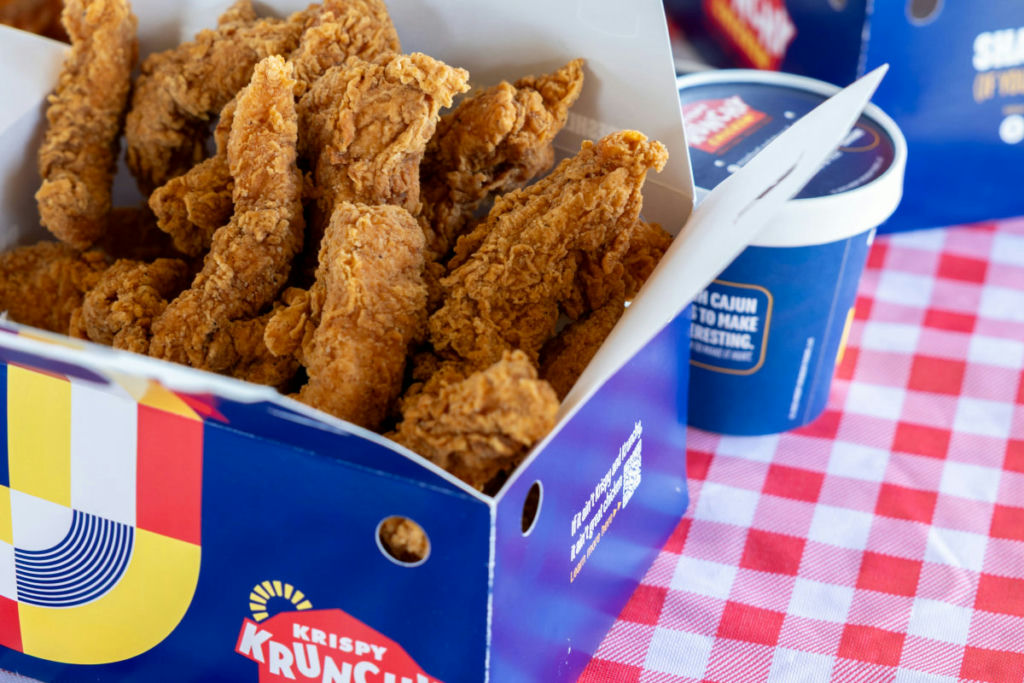
Savour Hot Chicken in Allentown, Pennsylvania, has built its operation around that opportunity, implementing Krispy Krunchy Chicken to serve guests throughout the surrounding area with freshly prepared fried chicken, tenders, nuggets, biscuits, and family meals. The location is open until 3 a.m. Monday through Saturday and until midnight on Sunday, serving customers who want a complete meal rather than a late-night snack.
“We noticed that the demand for a complete, fresh meal didn’t stop when traditional restaurants closed,” says Tariq Saed of Savour Hot Chicken. “Late-shift workers, students, families, and customers coming home late were looking for quality food, but their options became limited.”
Extending foodservice availability only works when product quality, cleanliness, speed, order accuracy, and service remain consistent throughout every shift. With Krispy Krunchy Chicken’s established products and operating procedures as its foundation, Savour adjusted its scheduling, preparation, and inventory management to support late-night demand while protecting standards and controlling waste.
“A customer ordering at 2 a.m. should receive the same experience as a customer ordering at 2 p.m.,” Saed says.
The results have helped validate this strategy. Savour is generating approximately 30–40 additional orders that it may not have captured without its extended hours. Its digital ordering presence across DoorDash, Uber Eats, and Grubhub also helps the business remain accessible late into the evening. The location has earned more than 1,900 Google reviews and maintains a 4.8-star rating.
For operators hesitant to extend foodservice, the first step is understanding their local opportunity. Saed recommends reviewing when customers order, when competitors close, and where demand may be going unmet. Then, operators can test extended availability, monitor orders, sales, labor, and customer response, and refine the approach.
Krispy Krunchy Chicken helps operators like Savour pursue that opportunity with simple procedures, proven equipment, training, and ongoing support designed to make it easier to maintain a full hot food case throughout the day. Their goal is not to add complexity, but to help operators maximize their existing space, equipment, and traffic.
“Daypart expansion is becoming less of an added opportunity and more of a competitive expectation,” Schulz says. “Customers are building trust that quality food will be available in the hot food case whenever they choose to visit.”
In this story
This story was originally published by Drew Filipski in CStore Decisions on October 5, 2026. Burnaze summarizes and links to the original reporting.
Read the full story at CStore DecisionsLiked this? Get the week's franchise news, explained
- Sunday 8 AM ET weekly + a monthly deep dive
- Sections picked for the industries you follow
- Every claim linked to its source. Free.