TL;DR
Food trucks provide a cheaper entry point for operators to introduce global food concepts to the US fast casual market, allowing for risk-taking and menu flexibility. They can expand into brick and mortar locations or chains once popular.
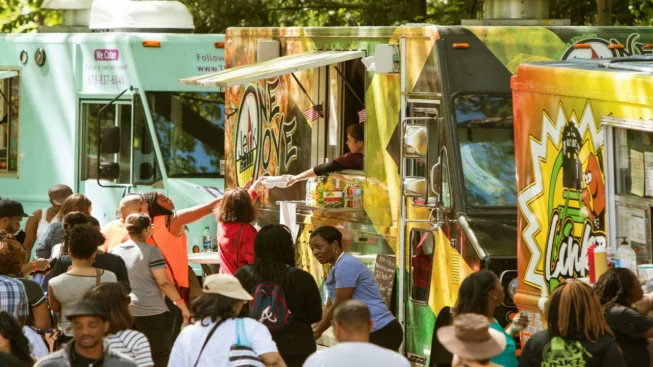
Street vendors can give you real insight into what a country’s food is really like. They provide quick, tasty, and affordable grub for residents and tourists. According to a recent QSR Magazine article, food carts and trucks give operators a cheaper entry into the restaurant industry and have been a popular option since the beginning of the Great Recession when operators struggled to get capital. Once food trucks see popularity, they can expand into brick and mortar location restaurants or even chains.
“Because the cost is significantly lower than brick and mortar, you can do things differently,” says Ross Resnick, founder of Roaming Hunger. “It gives you the opportunity to take more risk or have more menu flexibility.”
Food trucks are a great way to introduce and new food concepts to the masses and test out how well they will be received. The largest food truck category in Roaming Hunger’s networks—tacos—have become a staple in America.
Vietnamese pho, Turkish kebaps, and Spanish pinchos are all taking off in the international food truck scene, and it is only a matter of time before they make their mark on the fast casual industry.
In this story
This story was originally published in 1851 Franchise on September 21, 2016. Burnaze summarizes and links to the original reporting.
Read the full story at 1851 FranchiseLiked this? Get the week's franchise news, explained
- Sunday 8 AM ET weekly + a monthly deep dive
- Sections picked for the industries you follow
- Every claim linked to its source. Free.