TL;DR
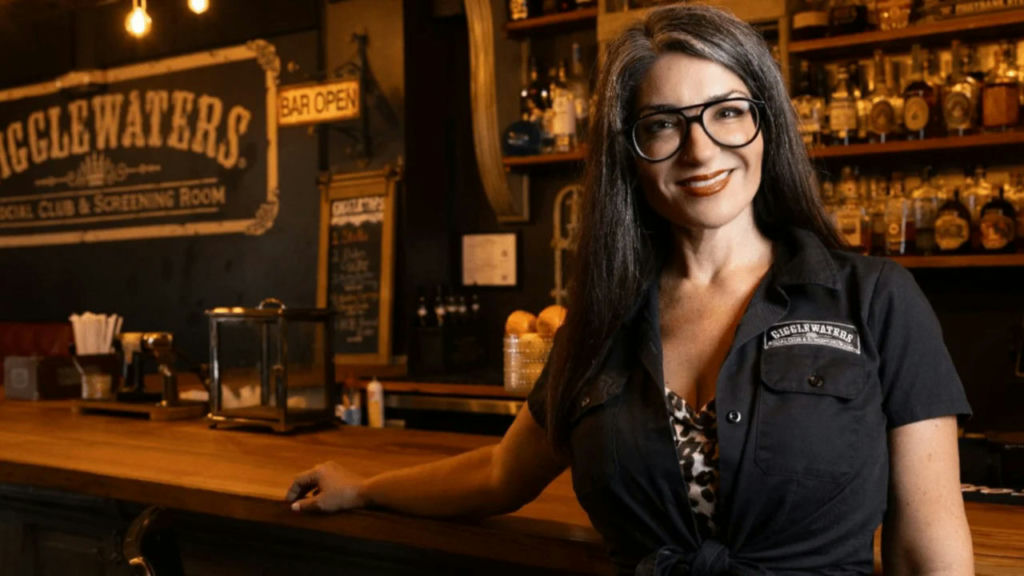
Rachel Fine Wilson, founder of Gigglewaters, shares her approach to franchising the brand, focusing on strong infrastructure, careful selection of franchisees, and slow, hyperlocal growth. Wilson's prior experience with franchising pitfalls led her to reimagine the process and prioritize maintaining the brand's integrity.
Rachel Fine Wilson initially hesitated to franchise Gigglewaters due to her prior experience with the pitfalls of franchising, such as undercapitalized franchisees and rapid, scattered growth. However, after receiving numerous franchise inquiries, she reimagined how franchising could be done differently by focusing on strong infrastructure, careful selection of franchisees and slow, hyperlocal growth to maintain Gigglewaters’ brand integrity. 1851 Franchise spoke with Wilson to learn more about her decision to franchise Gigglewaters and the lessons she learned along the way.
Rachel Fine Wilson: Initially, I was hesitant to franchise Gigglewaters. My experience as the vice president of operations for an international education company — where I was responsible for field support across the U.S. — exposed me to the common pitfalls of franchising: franchisees being undercapitalized, mismatches between franchisees and brands, and the challenges of scaling too quickly and in scattered locations. These experiences made me keenly aware of the responsibility on the shoulders of a responsible franchisor and, frankly, made me wary of franchising in general.
What we do at Gigglewaters is truly unique in the industry and as a result, we kept fielding organic franchise inquiries. After many approaches and much consideration, I began to rethink how franchising could be done differently. I envisioned building a system that prioritized strong infrastructure and support, growing slowly and hyperlocally, and ensuring every franchisee was well-prepared and aligned with our values.
By slowing down the process and focusing on systems and selection, I believed I could reimagine franchising in a way that maintained the integrity and success of the Gigglewaters brand. We took our time getting started and set extremely conservative growth targets. We’re not in this for explosive growth; we’re in this to build a healthy and happy system, long-term.
Wilson: Understand that franchising is a partnership. It’s essential to have a strong, replicable business model and to be ready to support your franchisees fully. Building a robust infrastructure before you franchise is crucial; this includes training programs, operational guidelines and a clear brand vision. What processes can you simplify? What operations can you streamline? Most importantly, take the time to crystalize your brand values and use them to select franchisees who are truly aligned with you — they’re the ones who will carry your brand’s legacy forward.
Wilson: We’ve worked casually with a few people along the way. Each brought different strengths to the table, and it was important to understand how their experience and approach would align with our goals for expansion, which are different from brands looking for aggressive growth at all costs.
Wilson: One of our core values is, “What we say and what we do are the same thing.” We’ve had a lot of people make a lot of promises, but ultimately, the people we’ve worked with the longest have shown true integrity. We do a good majority of franchise development on our own in-house, but when we partner with consultants, we look for people with excellent communication, timely follow up and exacting attention to detail.
Wilson: One thing I wish I had fully understood from the start is how challenging it would be to find that first trailblazing franchisee — someone willing to take a leap of faith on a brand new franchise. It takes a special kind of entrepreneur to be the first, and identifying that person requires a lot of patience and perseverance. The first franchisee is crucial because they set the tone for future growth and success, so finding the right fit was more challenging than I initially anticipated.
Ultimately, we helped our best employee take the leap, someone steeped in our culture who we already loved and respected. I would recommend that strategy to anyone struggling to find Zee number one.
In this story
This story was originally published in 1851 Franchise on September 5, 2024. Burnaze summarizes and links to the original reporting.
Read the full story at 1851 FranchiseLiked this? Get the week's franchise news, explained
- Sunday 8 AM ET weekly + a monthly deep dive
- Sections picked for the industries you follow
- Every claim linked to its source. Free.