TL;DR
New York City has made a temporary cap on third-party food delivery commissions permanent to help restaurants, but Uber Eats, GrubHub, and DoorDash have sued the city over the legislation. The cap could force delivery providers to raise prices for customers and reduce earnings for delivery drivers, but restaurants are in favor of the caps due to lack of transparency in fees from delivery brands.
Early in the COVID-19 pandemic, New York City legislators enacted a temporary cap on third-party food delivery commissions. The cap, initially intended to help restaurants navigate virus-related shutdowns, was recently made permanent to “help ensure the survival of New York City restaurants,” according to a city council statement.
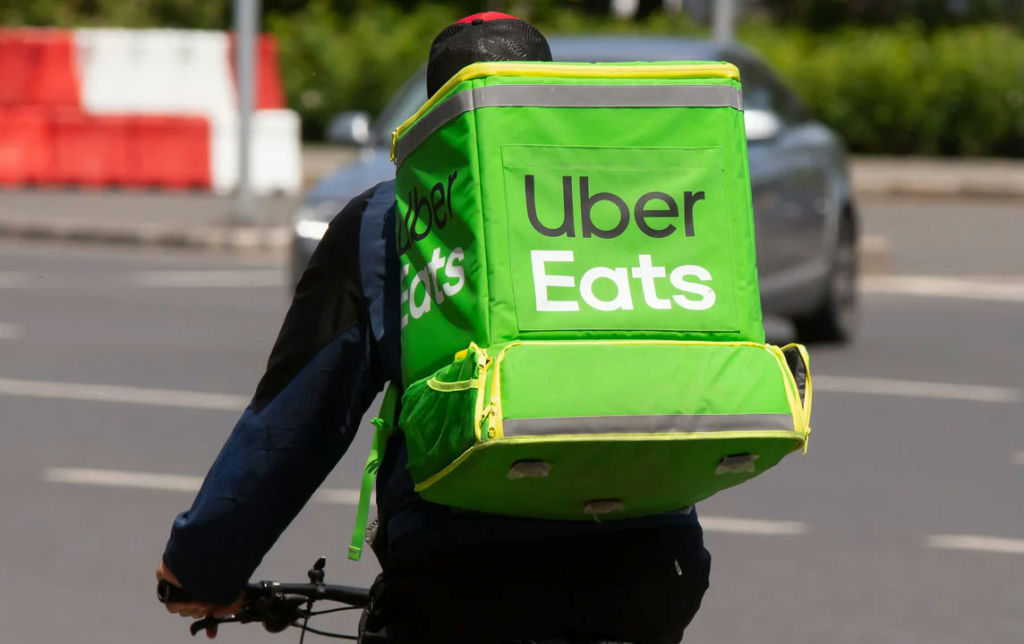
On Monday, Business Insider published an article on how Uber Eats, GrubHub and DoorDash have “sued New York City over legislation that limits the fees delivery apps can charge restaurants for their services.” The suit was filed on Thursday, and the brands have collectively stated that “the cap on commissions could force them to raise prices for customers, and could reduce earnings for delivery drivers.”
While leaders in the delivery segment claim commission caps limit their ability to provide service, virtually all restaurants are in favor of the caps. Third-party delivery brands have often been accused of not being transparent when it comes to fees. DoorDash, for instance, had to pay a $2.5 million settlement for manipulating tips.
Virtually all businesses were forced to cut back in-person contact over the past year. While many restrictions have loosened since the onset of the pandemic, consumer preference has changed to embrace a new delivery-based norm of service (as the projected market growth will show). The demand for delivery could be slowed depending on how heavy a commission weighs down on delivery providers.
A commission cap could slow restaurant innovation across the board, as new advancements could be deemed unprofitable with government regulations. Increased delivery rates are bound to lower consumer demand, forcing consumers to embrace the traditional act of visiting a brick-and-mortar location to satisfy their needs.
If regulation is not implemented in some form, however, restaurant owners say they will have to increase menu prices just to offer a delivery service and keep up with the times.
Ghost kitchen setups have gained momentum in recent years, and some brands have created a dependability on delivery brands to make it happen. If third-party delivery has to navigate a huge markup, it could force restaurants themselves to consider a self-sponsored delivery service.
In this story
This story was originally published in 1851 Franchise on September 13, 2021. Burnaze summarizes and links to the original reporting.
Read the full story at 1851 FranchiseLiked this? Get the week's franchise news, explained
- Sunday 8 AM ET weekly + a monthly deep dive
- Sections picked for the industries you follow
- Every claim linked to its source. Free.