TL;DR
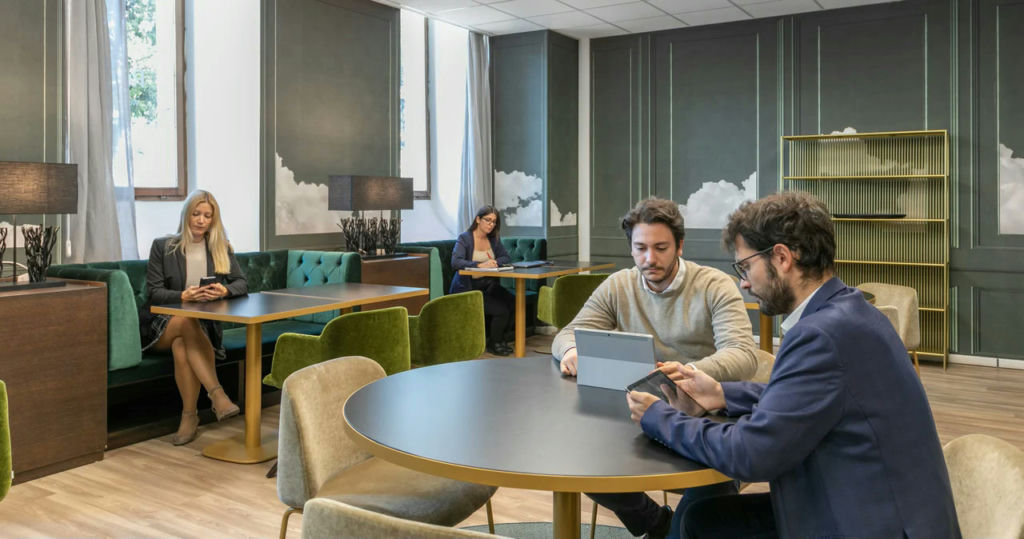
Flexible workspaces are experiencing a resurgence in demand as people seek to shorten their commutes and work in group settings. The COVID-19 pandemic had previously shut down communal spaces, but now that regulations have become more lenient, the appeal of flexible workspaces has returned.
In early 2020, many employers were inspired to implement a hybrid work policy that allowed their employees to work from the office, home or flexible working space. Unfortunately, shortly after the concept gained traction, the COVID-19 pandemic hit, and communal spaces were shut down.
Now that regulations have become a bit more lenient, people feel comfortable being in group settings, and the appeal of flexible workspaces has returned.
One of the primary drivers of hybrid demand is the desire to shorten time-consuming, expensive commutes.
“The preference is becoming evident that our customer is not interested in a long commute,” said Michael Berretta, VP of network development for the Americas at IWG. “We’re seeing a real demand surge in users wanting to be as close as possible to home.”
As more flexible workspace investors enter the market, targeting the correct geographies to provide locations close to all professionals will be crucial to leveraging the revived demand.
In this story
This story was originally published in 1851 Franchise on September 17, 2022. Burnaze summarizes and links to the original reporting.
Read the full story at 1851 FranchiseLiked this? Get the week's franchise news, explained
- Sunday 8 AM ET weekly + a monthly deep dive
- Sections picked for the industries you follow
- Every claim linked to its source. Free.