TL;DR
The luxury handbag market has seen significant growth, with lvmh experiencing a 320% increase in sales over a ten-year period, but faces challenges with counterfeit products. Maintaining authenticity and trust is essential to prevent the collapse of the resale industry.
The market for luxury handbags has seen significant growth in recent years, with lvmh experiencing a 320% increase in sales over a ten-year period. This booming demand has led to the rise of dedicated reselling platforms where consumers can find secondhand luxury items. However, with the increase in counterfeit products on the market, buyers risk being swindled when trying to purchase a genuine handbag.
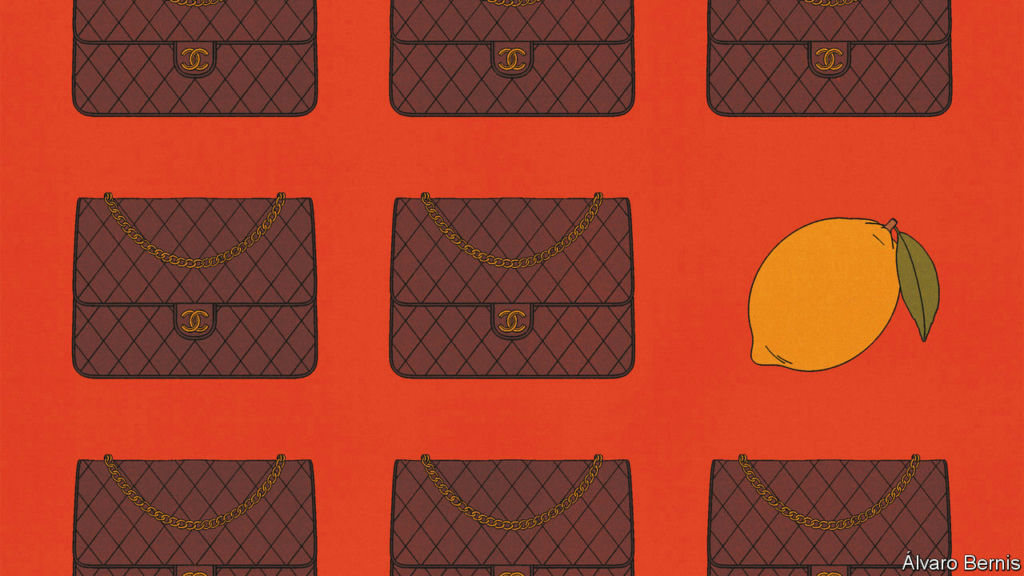
To combat this issue, economists have looked to the concept of information asymmetries and the “Market for ‘Lemons'” model introduced by George Akerlof in 1970. This model explains how sellers of good cars may be driven out of the market due to buyers being unable to differentiate between genuine and fake products. The same concept applies to the market for luxury handbags, where buyers may struggle to identify authentic items.
To address this issue, independent third parties play a crucial role in adjudicating quality and providing authenticity checks for luxury items. Many luxury brands now include authenticity cards with their products to help consumers verify the legitimacy of their purchase. However, recent lawsuits against vintage stores like What Goes Around Comes Around (WGACA) and reselling platforms like the RealReal have highlighted the challenges of ensuring authenticity in the market.
The recent trial between Chanel and WGACA, in which Chanel alleged that counterfeit products were being sold, underscores the importance of maintaining trust in the resale market. The outcome of the trial raises concerns about the potential collapse of the market for used handbags if authenticity cannot be guaranteed.
A collapse in the resale market would not only impact reselling platforms and brands but also consumers who value luxury handbags as assets with enduring value. By addressing issues of authenticity and finding more robust ways to authenticate products, brands like Chanel can uphold consumer trust and ensure the longevity of the luxury handbag market.
In conclusion, maintaining authenticity and trust in the luxury handbag market is essential to prevent the collapse of the resale industry. Third-party authentication services and brand initiatives to authenticate products play a crucial role in ensuring consumers can confidently purchase genuine luxury items.
In this story
This story was originally published in Franchise Magazine USA on March 7, 2024. Burnaze summarizes and links to the original reporting.
Read the full story at Franchise Magazine USALiked this? Get the week's franchise news, explained
- Sunday 8 AM ET weekly + a monthly deep dive
- Sections picked for the industries you follow
- Every claim linked to its source. Free.