TL;DR
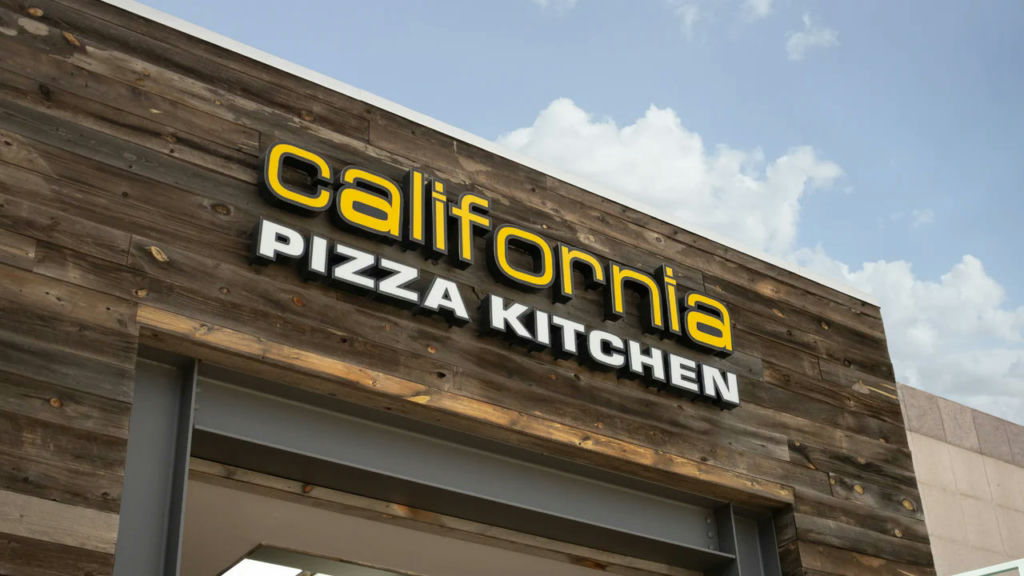
California Pizza Kitchen has been acquired by a consortium of investors including Consortium Brand Partners, Eldridge Industries, Aurify Brands, and Convive Brands. The acquisition marks a new chapter in the brand's ownership and operation, with Convive's CEO Jon Weber becoming the CEO of CPK.
California Pizza Kitchen has officially entered into an agreement to be acquired by a consortium of investors that includes Consortium Brand Partners, Eldridge Industries, Aurify Brands and Convive Brands. Bain Capital is providing debt and equity backing. Under the new structure, Convive — a multi-brand restaurant platform — will assume the role of global operator and master franchisor, and its CEO, Jon Weber, will step into the role of CEO for CPK. The transaction is expected to close by the end of December, though financial terms were not disclosed.
The sale follows several years of turbulence for CPK. After emerging from Chapter 11 bankruptcy in 2020 with reduced debt, the brand’s footprint shrank from 240 restaurants to roughly 120. Other pizza brands like Pieology have also recently filed for bankruptcy and even category giant Pizza Hut is facing potential divestiture discussions. Despite this, CPK managed to post positive same-store sales growth in 2025, signaling that its turnaround efforts may be gaining traction.
Over the past few years, CPK has taken meaningful steps to reposition itself for growth. After launching franchising in 2021, the brand initially struggled to attract new operators, but interest picked up after a shift toward refranchising corporate-owned restaurants in 2023. Leadership also implemented a refreshed marketing strategy in late 2024 and embraced a variety of new development formats — including vending machines, non-traditional units and virtual brands.
The acquisition comes at a time when casual dining is experiencing a quiet resurgence, driven in part by rising QSR prices that have narrowed the perceived value gap. Legacy brands such as Chili’s, Applebee’s, Olive Garden and Texas Roadhouse have all posted recent same-store sales gains.
For the franchise industry at large, this acquisition underscores how private equity-backed platforms are increasingly stepping in to stabilize legacy brands, modernize their systems and accelerate franchised expansion. As restaurant categories reshape themselves post-pandemic, franchisors with flexible development models, diversified revenue streams and strong operational support will be best positioned to attract franchisee interest — and distressed brands with recognizable names may become some of the most compelling turnaround opportunities in the market.
In this story
This story was originally published in 1851 Franchise on December 16, 2025. Burnaze summarizes and links to the original reporting.
Read the full story at 1851 FranchiseLiked this? Get the week's franchise news, explained
- Sunday 8 AM ET weekly + a monthly deep dive
- Sections picked for the industries you follow
- Every claim linked to its source. Free.