TL;DR
Franchised businesses have proven more resilient against the pandemic-induced economic downturn, but many big brands are seeing franchisees in revolt, with Subway and McDonald's franchisees publicly fighting their corporate offices. Subway franchisees bristled at the corporate office's plan to sell two foot-long subs for $10, while McDonald's franchisees say the brand didn't do enough to cut rent or defer royalty payments.
Franchised businesses have proven more resilient against the pandemic-induced economic downturn than their independent counterparts, but after months of lockdowns, many big brands are seeing franchisees in revolt, according to a new report at the Wall Street Journal.
A sprawling, 2,000-word article at the Journal delved into a series of franchisor vs. franchisee fights across multiple industries that have ended in lawsuits and public bickering.
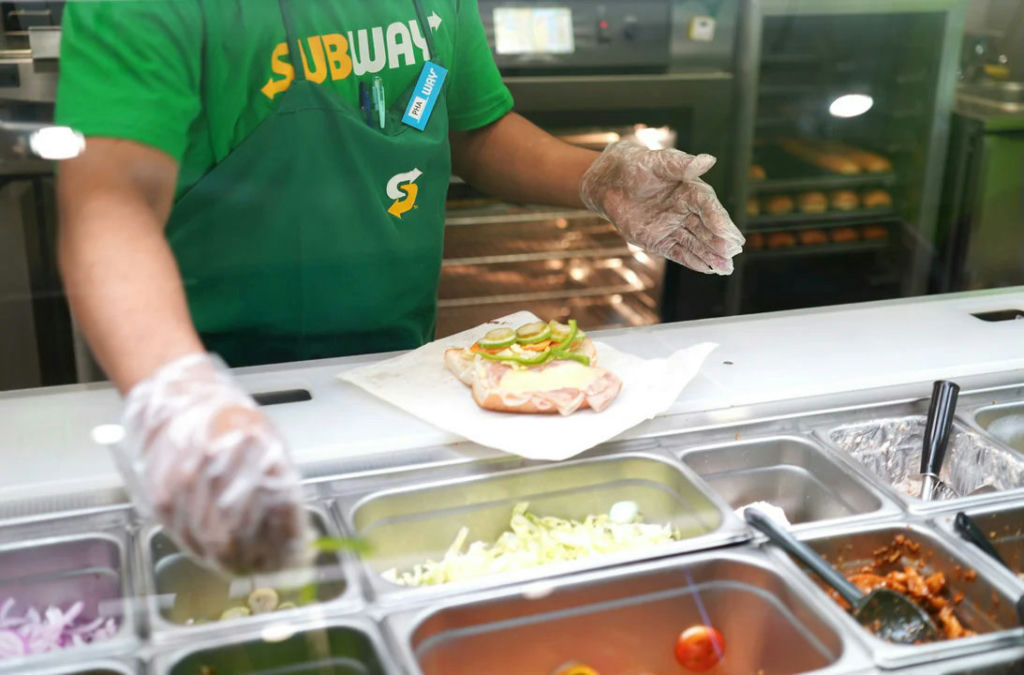
Subway franchisees, for example, bristled at the corporate office’s plan to sell two foot-long subs for $10, saying it was unprofitable.
“I get that franchising isn’t a democracy, but at the same time, it’s not a dictatorship,” a Subway franchisee told the journal.
Elsewhere, a yawning gap has opened up between the priorities of franchisees, many of whom are struggling to keep their businesses open, and franchisors, who tend to look at more macroeconomic trends.
McDonald’s franchisees say the brand didn’t do enough to cut rent or defer royalty payments. The brand countered that it had taken “unprecedented action” by spending $100 million on marketing, according to the journal.
In this story
This story was originally published in 1851 Franchise on December 3, 2020. Burnaze summarizes and links to the original reporting.
Read the full story at 1851 FranchiseLiked this? Get the week's franchise news, explained
- Sunday 8 AM ET weekly + a monthly deep dive
- Sections picked for the industries you follow
- Every claim linked to its source. Free.