TL;DR
MTY Food Group plans to close 68 corporate stores, mostly Papa Murphy's locations, due to their unsuitable markets. Papa Murphy's has been experiencing a decline, having closed a third of its locations over the past decade, partly due to overly aggressive growth and a competitive pizza sector.
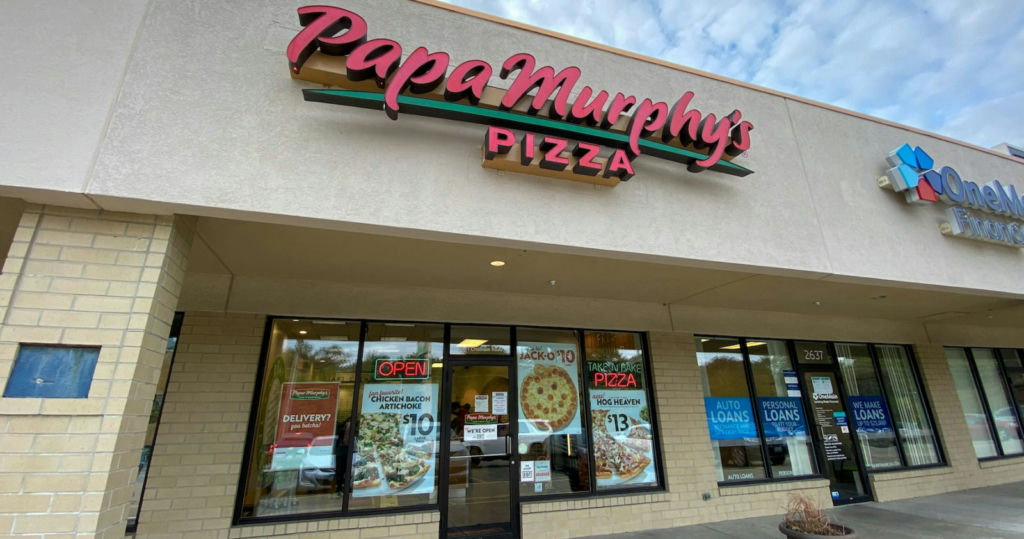
MTY Food Group, the Montreal-based franchise operator, announced during its second-quarter earnings call last week that it planned to close 68 corporate stores. Most of those, 45-50, are of the company’s largest holding, Papa Murphy’s.
MTY had acquired those stores from struggling franchisees in three markets two years ago and is now opting to get out of the business. “We came to the conclusion that these markets are probably not appropriate for Papa Murphy’s at this time,” MTY CEO Eric Lefebvre told analysts.
That’s been a common problem for Papa Murphy’s. The company grew rapidly two decades ago, only to run into problems in part because it expanded everywhere, signing up operators regardless of location. Stores struggled in locations far from the chain’s Pacific Northwest home base, where consumers were unfamiliar with the unique, take-and-bake concept.
In other words, some markets were simply not appropriate.
The chain has closed a third of its locations over the past decade, and those closures have not stopped in the years since MTY bought the company. These days it is combatting a hotly competitive pizza sector that is throwing a bunch of discounts at customers in a bid to get traffic, which creates further problems for a concept that doesn’t even cook the pizza for you.
The lesson from Papa Murphy’s is the same as it is for so many other franchises: Overly aggressive growth is its own worst enemy, especially when the concept is unique enough that it comes with a learning curve.
You might have heard that Taco Bell was hit with a cyclospora outbreak that has been tied to Taylor Farms lettuce. The question is whether the result will hit sales that have been virtually bulletproof for years.
Superior Star, the bankrupt Hardee’s franchisee, drained its profits paying for deferred maintenance on stores it acquired three years ago. It is also paying a bunch of dark rent. Due diligence is a good thing.
Speaking of bankruptcies, the number of franchisee filings has taken off this year, which is unfortunately not surprising. Especially given that operating expenses are up 36% over the past six years.
Convenience stores have narrowed the gap with fast-food chains, at least based on customer ratings of their most recent visit.
“The consumers are out there, but they’re certainly a little bit more difficult to attract to our stores at the moment,” Lefebvre, seeming to suggest that his company’s problem is more related to its brands than on the overall economy.
For questions, comments or story ideas, send me an email at jonathan.maze@informa.com. And follow me on Twitter at @jonathanmaze. And also LinkedIn. And TikTok.
In this story
This story was originally published in Restaurant Business on July 20, 2026. Burnaze summarizes and links to the original reporting.
Read the full story at Restaurant BusinessLiked this? Get the week's franchise news, explained
- Sunday 8 AM ET weekly + a monthly deep dive
- Sections picked for the industries you follow
- Every claim linked to its source. Free.