TL;DR
Voice technology, such as Amazon Alexa and Google Home, has the potential to improve accessibility and convenience in senior care, addressing the growing demand for personalized care as the Baby Boomer generation ages. The use of voice recognition technology can aid seniors in everyday tasks, providing a cost-effective alternative to in-home human assistance.
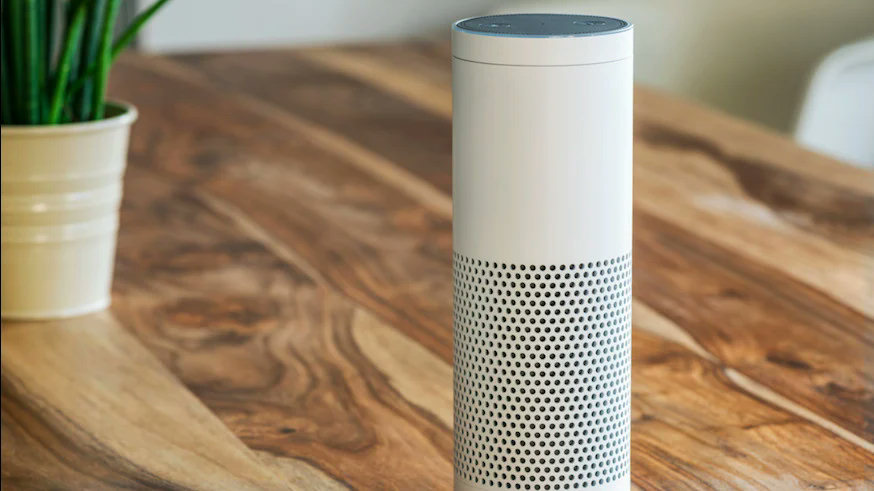
A fast-growing number of U.S. homes are equipped with some sort of voice technology, whether Amazon Alexa or Google Home, or even Siri talking out of turn from the depths of our pockets. These devices are normally used to tell us the weather or to play our favorite songs without us having to lift a finger, yet, their potential is much greater when viewed through the lens of accessibility.
We are on the cusp of the ‘Silver Wave’, a quaint name for the rise in the senior population taking hold across America as the Baby Boomer generation ages out of the workforce and into retirement. According to Business Insider, Boomers will age faster than in-home caregivers will be available, resulting in the demand for personalized care outpacing the supply and leading to a potential crisis over the next decade. One of the most interesting ways of addressing and solving this issue has emerged through the early demonstration of the effectiveness of voice technology in supporting accessibility in the homes of older adults living alone.
The advancements of voice recognition technology are well-positioned to aid seniors in the long run; according to AgingInPlace, seniors are using voice recognition for a number of everyday tasks including ordering groceries, filling prescriptions, accessing information and, in case of an emergency, requesting medical assistance. In theory, this technology provides seniors with limited mobility a cost-effective alternative to in-home human assistance.
Alexa isn’t the first talk of senior care becoming digital. Business Insider states that the future of senior care is digital. It will bring down cost, improve care quality and create a more sustainable model for elderly care. While technology is becoming one of the most prevalent aspects of every part of our lives, how are senior care brands going to incorporate technology into their services to make care more efficient with less caregivers being available?
In this story
This story was originally published in 1851 Franchise on November 22, 2019. Burnaze summarizes and links to the original reporting.
Read the full story at 1851 FranchiseLiked this? Get the week's franchise news, explained
- Sunday 8 AM ET weekly + a monthly deep dive
- Sections picked for the industries you follow
- Every claim linked to its source. Free.