TL;DR
The bankruptcy of a big KFC franchisee highlights the false positive the industry generated coming out of the pandemic.
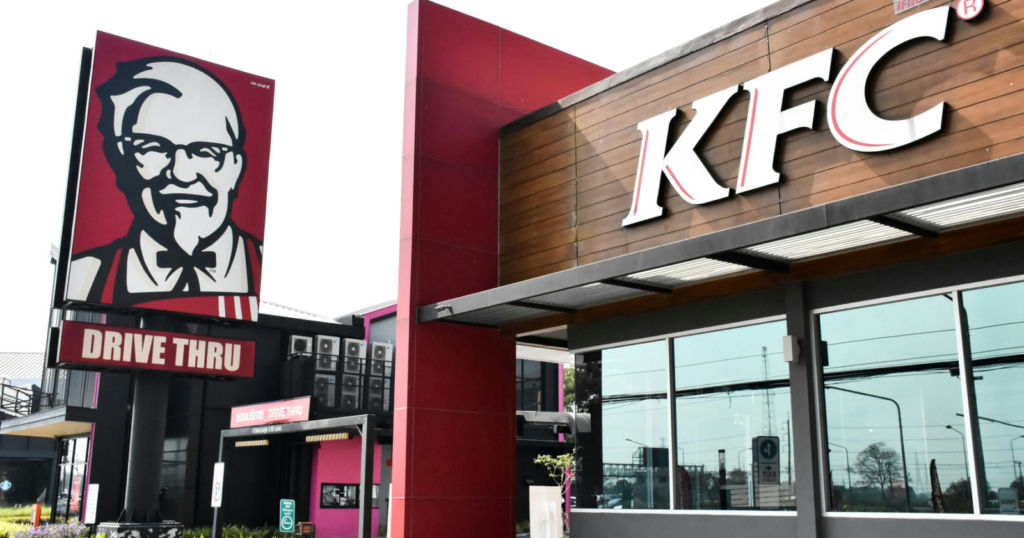
The bankruptcy of a big KFC franchisee highlights the false positive the industry generated coming out of the pandemic. | Photo: Shutterstock
This is from the weekly restaurant finance newsletter The Bottom Line. To get this in your inbox every Monday morning, click here.
This hasn’t been a great stretch for franchises, but especially for KFC. Last week, the 84-unit KFC and Taco Bell operator Tasty Chick’n declared Chapter 11 bankruptcy, joining another recent big KFC bankruptcy, of the Puerto Rico operator Encanto.
Tasty Chick’n first bought 90 restaurants in December of 2021 and would later buy 64 more in 2024.
The 2021 acquisition is notable, because that was a year that valuations in the restaurant industry were at their peak, perhaps of all time. Many brands were going for superstrong multiples as their sales recovered quickly from the pandemic. Interest rates were also low, which helped promote such valuations. KFC at the time was one of the industry’s strongest performers.
But the chicken chain, or much of the restaurant business for that matter, did not keep up those sales results.
“Revenue has declined significantly since the operating debtors acquired the restaurants,” Tasty Chick’n CEO Thomas Scott said in a court filing, “while food, labor, operating, and rent costs have increased, resulting in deteriorating restaurant-level EBITDA.” EBITDA is earnings before interest, taxes, depreciation, and amortization.
In fairness to Scott, many operators and brands thought that the industry had fundamentally changed in 2021. When sales recovered and consumers flocked to drive-thrus and ordered delivery, many of us thought that this was the future. A lot of buyers jumped into the business.
We spoke with Crumbl franchisees, for instance, who today lament those days. That year, the brand went viral, and hundreds of operators signed up to open one of the cookie chain’s shops. One operator now believes that period did more harm than good in the long run, believing that Crumbl ended up building entirely too many locations as a result and now it has too many.
As it turned out, the 2021 recovery was a false positive. Inflation soared. Consumers ran out of extra cash.
While the industry is different today, with more delivery and mobile ordering, ultimately people returned to their old way of doing things. Independent restaurants have recovered. Dine-in and in-store ordering have returned.
The fast-food sector’s sales and traffic have been sluggish for the past three years. Profitability took a hit. And now interest rates are higher and valuations have come down, in many cases steeply so.
The investors that bought restaurants during that era, whether they’re large multi-unit companies like Tasty Chick’n or small Crumbl operators, are paying the price.
This week’s financial news
Burger King wants customers to pick its next restaurants to remodel, which should be interesting. Yet its remodel program may be running into issues with operator profitability challenges.
Wendy’s may buy 163 locations from the bankrupt operator Meritage, and the company appears poised to be a much bigger operator of its own restaurants.
Also, I stopped by its popup and was impressed by the number of people who yearn for its old sunrooms.
The IPO market is weird, just like it always is.
California is basically the nation’s franchise regulator right now.
Red Robin has been refranchising a bunch of restaurants. So if I understand this correctly, the best casual-dining comeback, maybe ever, at Chili’s, was built on a business that acquired its franchise locations. So Red Robin opted to go into the opposite direction? OK.
I’m going to start the weirdest damn restaurant concept at Wonder.
Number of the week
Here’s something: Apparently, the percentage of locations on the Technomic Top 500 that are franchised has been declining for years now.
Quote of the week
“Everybody’s going public so late. There’s not much left for the retail buyer to live with or go in.” Asish Seth, founder of Harrington Park Advisors, at the Restaurant Finance and Development Conference, on the IPO market.
On the blog
I wrote about Wendy’s, the IPO market, nostalgia, and Burger King’s remodels. Check out all my blog posts on The Bottom Line.
On the podcasts
On A Deeper Dive I talked with Paul Brenner about media networks. On The Week in Restaurants we talked about KFC, Wendy’s, the Beard awards and Wonder.
For questions, comments or story ideas, send me an email at jonathan.maze@informa.com. And follow me on Twitter at @jonathanmaze. And also LinkedIn. And TikTok.
Restaurant Business Editor-in-Chief Jonathan Maze is a longtime industry journalist who writes about restaurant finance, mergers and acquisitions and the economy, with a particular focus on quick-service restaurants.
View All Articles by This Author
In this story
This story was originally published by Jonathan Maze in Restaurant Business on November 23, 2026. Burnaze summarizes and links to the original reporting.
Read the full story at Restaurant BusinessLiked this? Get the week's franchise news, explained
- Sunday 8 AM ET weekly + a monthly deep dive
- Sections picked for the industries you follow
- Every claim linked to its source. Free.