TL;DR
Melting Pot, a 93-unit fondue franchise, celebrated its 50th anniversary and continues strategic growth nationwide with a focus on experiential dining and hospitality. The brand's unique social dining experience sets it apart from other restaurants and creates lifelong memories for its guests.
Melting Pot, the 93-unit fondue franchise, recently celebrated its 50th anniversary. As it continues strategic growth nationwide and looks toward its next 50 years, Melting Pot's loyal fan base, hospitality focus, and unique dining experience set the stage for its continued success. While many brands are measuring success by the speed of the drive-thru or the efficiency of an online order, Melting Pot is doubling down on the human element — something its leadership team knows technology will never be able to replicate.
By leaning into its "superpower" and owning the Perfect Night Out, Melting Pot has nurtured a brand that creates lifelong memories and is passed down through generations.
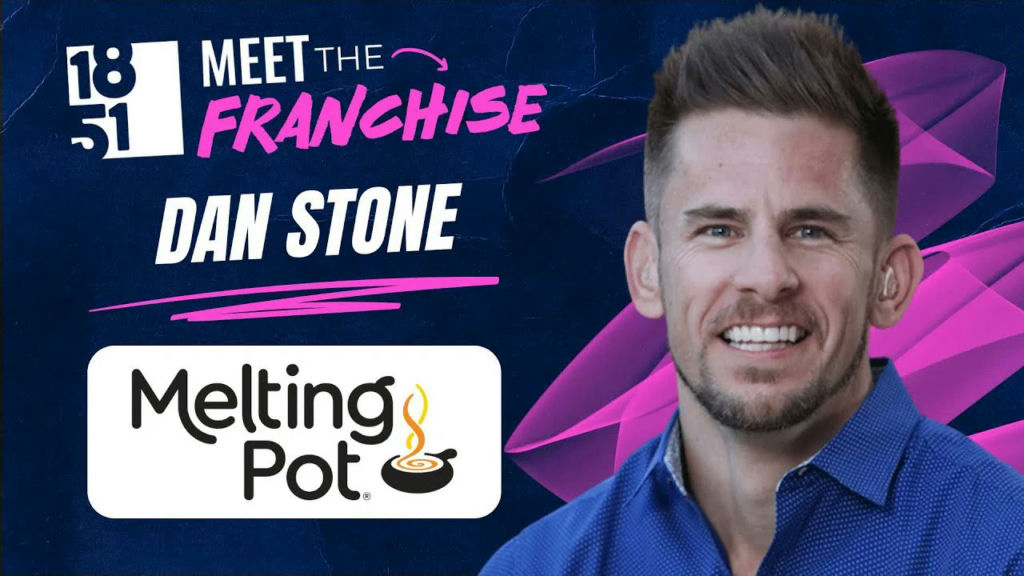
"Melting Pot is a restaurant, but it is so experiential and unique that we are filling more than an appetite. We are satisfying a craving for a unique social dining experience," Dan Stone, chief business officer, told 1851 Franchise publisher Nick Powills on a recent episode of the "Meet the Franchise" podcast. "You look at a typical table and the kids are not on their phones or tablets. If they do have a phone out, it's because they are filming the magic happening at the table. They are very engaged with one another."
After its 1975 founding, Melting Pot quickly grew to be synonymous with fondue dining across the U.S. and is still known for the multi-course, communal dining experience it provides today. In recent years, the leadership team has embraced changes that keep Melting Pot current like modernizing the interior design and adjusting the menu to include items that feel more approachable for "just because" visits, but the heart of the brand has stayed true.
"Our brand's purpose is celebrating life with the people you care about," Stone said. "People don't buy what you do; they buy why you do it. What we do is fondue. And that drives our engine. We're better than anybody on a national scale at fondue. But the why we do it is to celebrate life, and that can be anything from a report card to a birthday or 10-year anniversary."
With over 90 locations in more than 30 states, Melting Pot offers a unique proposition for entrepreneurs: a restaurant model that is known and cherished among guests nationwide, and one that prioritizes leadership capacity and hospitality spirit over specific restaurant experience in its prospective owners. As the brand looks forward to its upcoming growth and considers what the next 50 years may hold, the strategy is simple. While Melting Pot will implement new tools and technologies and adapt to the changing business landscape as needed, it won't forget its heart.
Maintaining a focus on its niche, Melting Pot proves that, in a crowded food service landscape, being in a category of one is the ultimate competitive advantage.
- Melting Pot's loyal fan base is a key factor in its continued success.
- The brand's focus on the human element, rather than technology, sets it apart from other restaurants.
- The leadership team knows that technology will never be able to replicate the unique social dining experience that Melting Pot provides.
- The brand's purpose is to celebrate life with the people you care about.
- Melting Pot is a unique proposition for entrepreneurs, offering a restaurant model that is known and cherished among guests nationwide.
- The brand prioritizes leadership capacity and hospitality spirit over specific restaurant experience in its prospective owners.
- Melting Pot will implement new tools and technologies and adapt to the changing business landscape as needed, but will not forget its heart.
Dan Stone: I'll keep a long story short. I am obsessed with roller coasters and theme parks and have been since I was a kid. I wanted to major in theme park management, so I went to my guidance counselor in high school to figure out what colleges offered it. I was really disappointed to learn that didn't exist, and the closest thing to it was hospitality management — hotel and restaurant management.
Powills: That's crazy. Before I get to Melting Pot, I'm curious — and this relates back to what franchisees and even what I go through — I wanted to be a baseball player who rode a motorcycle. I had to be good at baseball for that to happen, so it wasn't going to happen. But you have this dream. There are games like RollerCoaster Tycoon that allow you to build your theme parks. Flash forward: How do you let go of that dream and let it evolve into a 20-year career at Melting Pot and still look in the mirror in the morning and say, "I did live my dream"? How do you go through that mentally?
Stone: Great question. Obviously, I'm not managing a theme park today, but I have manifested elements of that dream by making a point to travel, visit theme parks, ride new roller coasters, and stay up to date with the industry. The dream has become more of a passion and a hobby outside of work.
Stone: Absolutely. In a typical restaurant, most guests are there primarily to fill a need and satisfy an appetite. Their body says it's time to consume, so they go eat. That drives a lot of dining out. Melting Pot is a restaurant, but it is so experiential and unique that we are filling more than an appetite. We are satisfying a craving for a unique social dining experience.
You look at a typical table and the kids are not on their phones or tablets. If they do have a phone out, it's because they are filming the magic happening at the table. They are very engaged with one another. In a typical restaurant, the kids feel like it's the last place they want to be; they aren't having conversations with their family. That is the magic of Melting Pot.
Powills: I didn't know your affinity for theme parks. That experience is part of the magic a franchise buyer sees when they buy into Melting Pot. They see something different. You can see it when the kids are engaging at a table and not stuck on a phone. They aren't just going there to feed an appetite; they're going there to feed the emotion.
So many guests get engaged at Melting Pot because their first date was there. We see them every year on their anniversary. Our franchise owners have an opportunity to be a part of milestone moments that people keep forever. The emotional connection our brand has with our guests is truly something special. The people who join our system are energized by enhancing whatever occasion someone chooses Melting Pot for. That's how the brand continues to grow 50-plus years later. There are not many brands that have been around 50 years, particularly in the restaurant space.
The challenge is that while I have great affinity, Melting Pot is not in the normal mix for me due to proximity or my schedule. How does a brand like this take the stickiness of that memory into the next 50 years?
Stone: It is a double-edged sword. When Melting Pot is your special occasion place, we see you every anniversary like clockwork. The flip side
In this story
This story was originally published in 1851 Franchise on March 2, 2026. Burnaze summarizes and links to the original reporting.
Read the full story at 1851 FranchiseLiked this? Get the week's franchise news, explained
- Sunday 8 AM ET weekly + a monthly deep dive
- Sections picked for the industries you follow
- Every claim linked to its source. Free.