TL;DR
China's government has approved the sale of an extra 1 trillion yuan of central-government bonds to stimulate the economy. The decision coincides with the confirmation of a new finance minister, Lan Fo’an, and a visit by President Xi Jinping to China’s central bank.
This additional funding will be allocated towards helping local governments cope with natural disasters and relieve financial strain. The move surprised even analysts who had expected some level of stimulus. Instead of utilizing less conspicuous levers to stimulate the economy, Beijing opted for an overt statement of support for growth by approving the substantial bond sale.
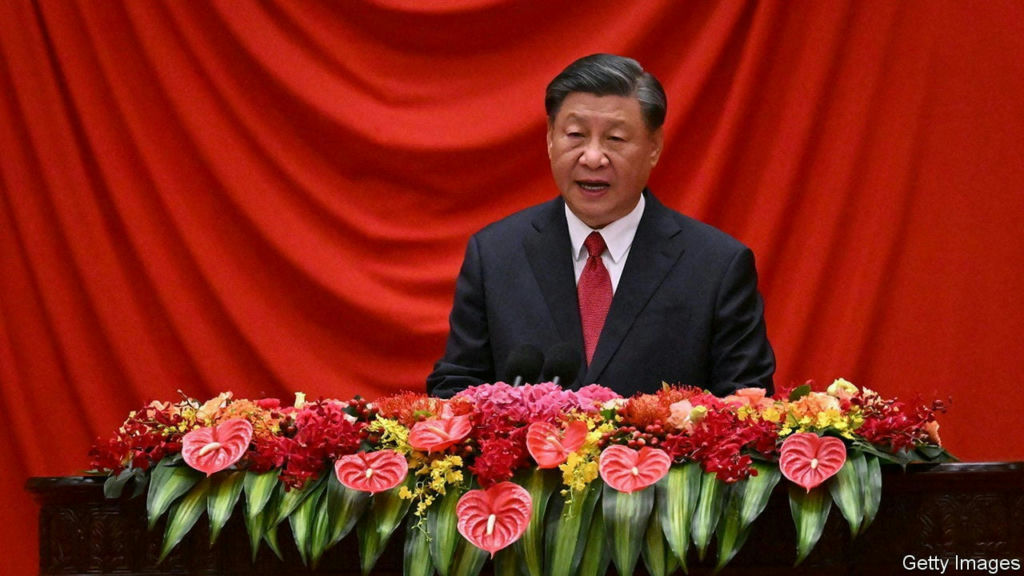
Notably, this decision coincides with the confirmation of a new finance minister, Lan Fo’an. The visit of President Xi Jinping to China’s central bank may suggest heightened attention to economic matters, especially with key policy meetings on the horizon. The status and role of the central bank have also come under the spotlight amid China’s economic challenges, further underscoring the significance of President Xi’s visit.
These recent developments reflect the dynamics of China’s economic policymaking, where the influence of different government positions and institutions can be pivotal. In the current environment, the role of the president and central bank is particularly prominent, while the finance minister’s actions garner less attention.
The decisions and actions of China’s leaders and economic institutions have far-reaching implications, and understanding these dynamics is crucial for staying informed about the global economic landscape.
In this story
This story was originally published in Franchise Magazine USA on January 24, 2024. Burnaze summarizes and links to the original reporting.
Read the full story at Franchise Magazine USALiked this? Get the week's franchise news, explained
- Sunday 8 AM ET weekly + a monthly deep dive
- Sections picked for the industries you follow
- Every claim linked to its source. Free.