TL;DR
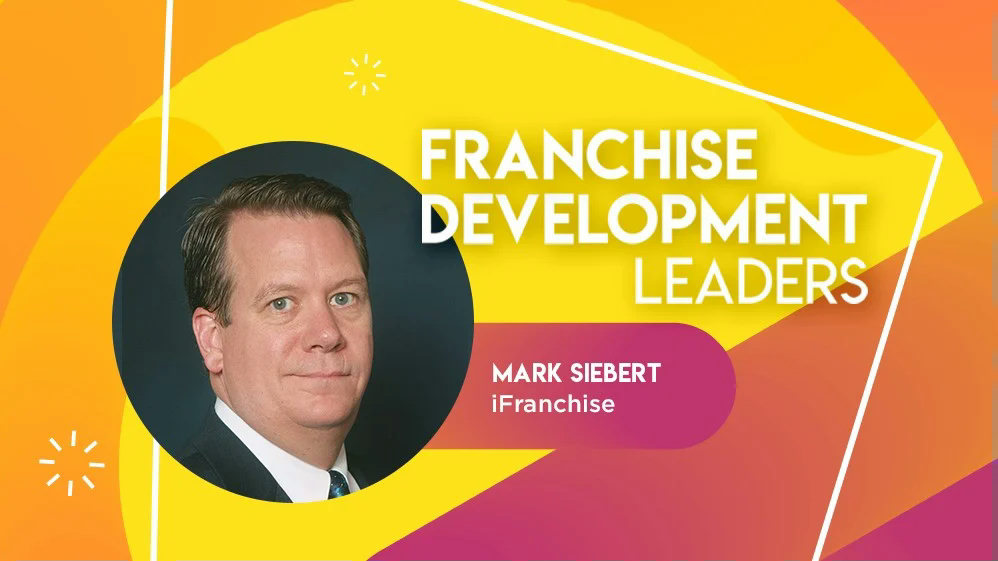
Mark Siebert, CEO of iFranchise Group, shares his experience in the franchise industry and discusses his best practices in franchise development. Siebert has worked with hundreds of franchise companies worldwide, including Buffalo Wild Wings and Subway.
Mark Siebert has worked in the franchise industry since 1985, starting as a business consultant before founding Homewood, Illinois-based franchise-consulting firm iFranchise Group in 1998. Now the firm’s CEO and senior franchise business consultant, Siebert has had his hand in the strategic planning and implementation of franchise development efforts for hundreds of franchise companies worldwide, including Buffalo Wild Wings, Coldwell Banker, Subway and T-Mobile. 1851 had the chance to pick Siebert’s brain on his tried-and-true best practices in franchise development.
When I finished graduate school, I wanted to be a consultant. I knew that the diversity of working with a variety of businesses in a variety of industries would be the kind of challenge I would enjoy. My first consulting job exposed me to franchising and I immediately loved it. After working with franchisors for more than a decade, I decided to create the iFranchise Group as a means of providing a better service to franchisors.
I love the entrepreneurial spirit that franchisors and franchisees bring to their businesses. Entrepreneurs have built America up, and nowhere will you find more of them than in franchising. In my experience with big business, I have found that they often play not to lose. Entrepreneurs, on the other hand, play to win and bet on themselves every day.
Like any other industry, franchising has its fair share of people who are more concerned with making a fast buck than they are with people. Because so many people have hit it big with franchising, people can sometimes lose sight of their franchisees and their needs. If I could wave a magic wand, I would change all that. Ultimately, great franchisors are all about building great relationships and an unfaltering dedication to franchisee success.
I founded the iFranchise Group on September 1, 1998. On September 4, Larry Page and Sergey Brin founded a company that was originally nicknamed BackRub. That company, which is now known as Google, provides franchise buyers with access to an almost unlimited amount of information on franchising and franchise opportunities. That access to information has led to better informed, more sophisticated franchisees who are examining a greater number of franchises in more detail than ever before.
It is not one single thing. Franchisees need to be adequately capitalized, have a skill set that matches their responsibilities in a particular business, be intelligent and hard working, have good communication skills, and have reasonable expectations. But, if there was one single thing I would look for in a franchisee that is most important to a brand, it would be a willingness to follow the franchisor’s system to the letter.
This will vary substantially from buyer to buyer. In looking at multi-unit buyers, it is generally unit economics and the support systems provided by the franchisor. While unit economics will play a role, it is important to note that the purchase of a franchise, for many franchise buyers, remains a very emotional experience. With that in mind, the key to the process of selling franchises starts with understanding the specific needs and desires of the franchisor’s targeted franchisee.
In this story
This story was originally published in 1851 Franchise on September 18, 2018. Burnaze summarizes and links to the original reporting.
Read the full story at 1851 FranchiseLiked this? Get the week's franchise news, explained
- Sunday 8 AM ET weekly + a monthly deep dive
- Sections picked for the industries you follow
- Every claim linked to its source. Free.