TL;DR
Dine Brands has introduced a dual-branded concept, combining Applebee's and IHOP in a single location, to drive expansion and efficiency. The concept allows for optimized resources, reduced costs, and increased competitiveness for franchisees.
Expansion strategies
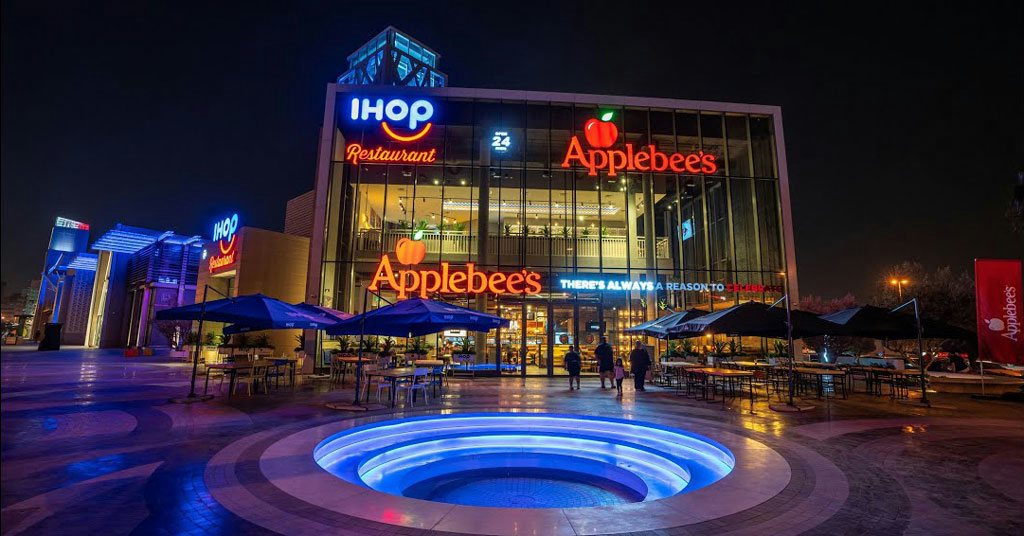
As the franchise development landscape continues to evolve, restaurant companies are seeking new and innovative ways to drive expansion, efficiency, and profitability for their brands and franchisees. Dine Brands saw an opportunity to address this challenge by leveraging two of its iconic brands and creating a new, dual-branded concept. Earlier this year, it opened the first domestic Applebee’s/IHOP restaurant in Seguin, Texas.
The dual-branded restaurant allows both concepts to operate within a single commercial space, giving franchisees a unique competitive advantage by optimizing resources and maximizing real estate efficiencies. Introducing a dual-branded business can be a powerful tool for accelerating expansion and entering new markets. Below are some of the potential benefits, from real estate optimization to operational streamlining and strategic market growth.
Real estate benefits
Real estate considerations: Smarter spaces, larger gains With commercial property costs rising and prime locations becoming increasingly scarce, housing two brands in a single space offers a cost-effective and efficient solution for many franchisees. Shared utilities, maintenance, and property taxes also contribute to lower overhead expenses. When applied to restaurants, a dual-branded concept has the benefit of maximizing space by allowing complementary brands to cater to different dayparts.
For example, IHOP’s breakfast traffic transitions seamlessly into Applebee’s lunch and dinner rush. This efficient use of space allows for flexible layouts where seating and kitchen operations can be adjusted based on demand, ensuring the restaurant can meet guest demands any time of day. Operational benefits: Efficiency through shared resources Beyond the real estate advantages, dual-branded restaurants also provide operational efficiencies that most multi-unit franchisees currently lack.
A kitchen can be designed to best utilize the space and combined equipment on the line to optimize operations, labor, and prep procedures. By operating two brands under the same roof, franchisees can not only leverage some of the same back-of-house equipment, they can also cross-train staff, share management, and maximize productivity by hour and headcount, reducing overhead costs and optimizing space. Strategic market expansion: Amplifying reach through dual brands The ability to offer a dual-branded concept gives franchisors a competitive advantage when entering new markets.
Franchisee advantages
It is also a tool for attracting multi-unit, multi-brand franchisees who are looking to diversify their investments. A dual-branded concept provides franchisees with the opportunity to invest in complementary brands with the support of their existing franchisor, which can be an attractive opportunity for those who are seeking to become multi-unit owners. It also offers existing franchisees of one brand entry into a new brand, easing the transition into multi-unit ownership with a familiar investment.
Dual branding is also a great way to leverage existing brand recognition to attract new guests for the complementary brand. Guests who may be loyal or familiar with one brand can experience the other. Operating multiple brands also provides a gateway into non-traditional venues, like airports and entertainment venues, where space is at a premium due to high foot traffic.
By adapting to various environments, the concept opens the door to previously untapped markets. Looking ahead As real estate, operational, and consumer dynamics continue to shift, finding innovative and impactful ways to grow in both traditional and non-traditional markets will become a top priority for restaurant companies. For franchisees, investing in a dual-branded concept could be the key to staying competitive, maximizing profitability, and unlocking new opportunities in an ever-changing industry.
This strategic concept demonstrates that the collaboration of two established and beloved brands can unlock unparalleled potential for growth. *Scott Gladstone is the chief development officer and president of international with Dine Brands Global.
In this story
This story was originally published by Scott Gladstone in Franchising.com on July 29, 2025. Burnaze summarizes and links to the original reporting.
Read the full story at Franchising.comLiked this? Get the week's franchise news, explained
- Sunday 8 AM ET weekly + a monthly deep dive
- Sections picked for the industries you follow
- Every claim linked to its source. Free.