TL;DR
The Biden administration's trade policies have favored China's economic interests in the Asia-Pacific region, particularly with the halt of discussions on digital trade in the Indo-Pacific Economic Framework (IPEF). The decision has led to disappointment for liberal economies in the region and may result in countries taking a nationalistic path with data localization.
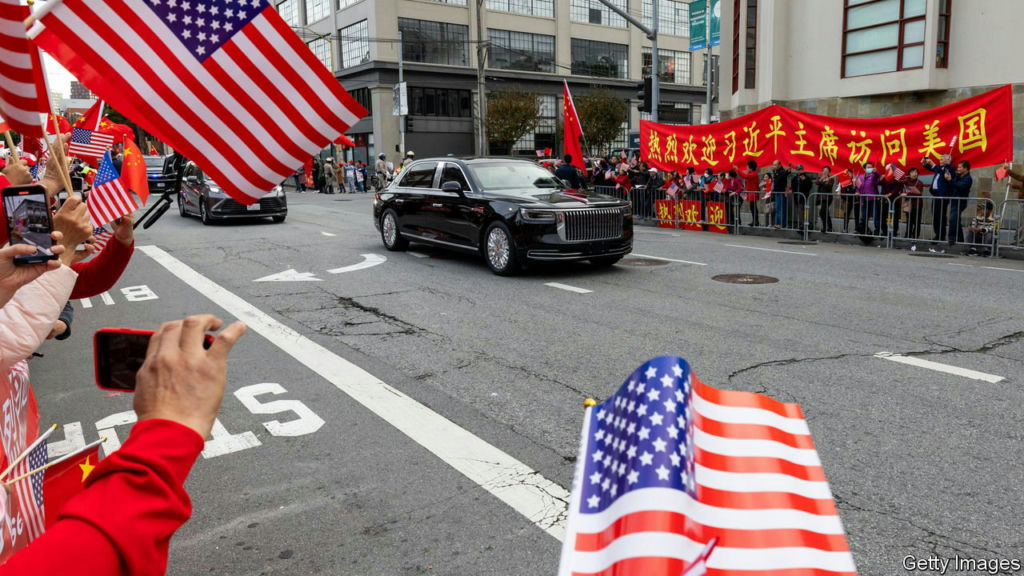
At the Asia-Pacific Economic Co-operation summit in San Francisco, all eyes were on the meeting between Xi Jinping and Joe Biden. However, the most consequential decisions were being made— or not made— behind the scenes when it comes to competition between the two great powers in Asia.
Trade negotiators had hoped the summit would yield an announcement on the Indo-Pacific Economic Framework (IPEF), America’s offering on trade to 13 regional economies, intended as its main weapon in the battle for economic influence in Asia. Instead, a decision by the Biden administration to halt discussions on digital trade has frozen an important part of an already limited agreement. There will be no announcement on the trade portion of IPEF, one of the deal’s four pillars. With American elections now just a year away, further progress will be difficult.
Digital trade is a large and growing category, covering online services, cross-border flows of data, and e-commerce. Support for opening up digital commerce was one of America’s last claims to international openness. However, concerns about the influence of America’s tech giants have made Democrats, including Elizabeth Warren, skeptical about looser digital-trade rules. This change reflects shifts in American policy in Asia, leading to disappointment for liberal economies in the region.
In the wake of America’s retreat, data localization may follow. India and Indonesia recently passed privacy laws without strict localization requirements, in no small part due to American advocacy. Without such pressure, countries will be more likely to take a nationalistic path.
American policy in Asia is now focused on limited bilateral deals that support Biden’s industrial policy, which seeks to boost domestic manufacturing. At the same time, China is throwing its hat into the ring, making progress in the contest between America and China for influence over Asian trade.
In the contest between America and China for influence over Asian trade, only one side is making progress. Few Asian governments started out with great hopes for the IPEF, which even its most ardent supporters conceded was no equivalent to the formal trade deals once pursued by American negotiators. Yet the agreement, whenever it comes, will now fall short of the low bar it faced.
In this story
This story was originally published in Franchise Magazine USA on January 23, 2024. Burnaze summarizes and links to the original reporting.
Read the full story at Franchise Magazine USALiked this? Get the week's franchise news, explained
- Sunday 8 AM ET weekly + a monthly deep dive
- Sections picked for the industries you follow
- Every claim linked to its source. Free.