TL;DR
The 2016 presidential election may impact federal minimum wage laws, affecting franchise businesses in states with higher minimum wages. The International Franchise Association has been speaking out against a $15 minimum wage for years.
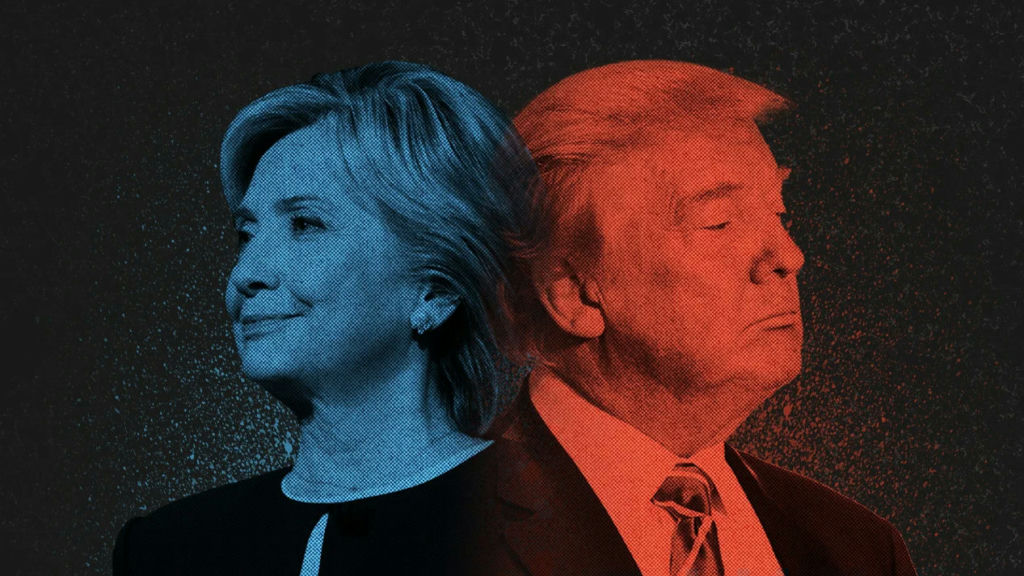
The outcome of this year’s presidential race has the potential to alter the way that franchise brands are able to run their businesses in the months and years to come.
While the current federal minimum wage is $7.25, there are 29 states that mandate workers be paid more. That means that depending on a state, city or county’s individual minimum wage laws, the upcoming election will play a varying role in determining future hourly payment rates across the country. However, the presidential candidates have the potential to set the tone for whether or not wages should be bumped up to the $15 standard that many are fighting for.
- The International Franchise Association has been speaking out against a $15 minimum wage for years.
- Back in 2013, the organization released a statement saying, “Some of the calls for a higher minimum wage ignore the fact that franchisors do not determine wages. Franchisees do. These franchisees are small business owners that are already operating on thin margins due to a still very sluggish economic recovery, rising commodity and energy costs (which directly and negatively affects foodservice distribution pricing), while also trying to navigate through Obamacare with minimal negative impact to their businesses.”
- The IFA echoed that sentiment again this year when it urged the U.S. Supreme Court to consider its challenge to Seattle’s minimum wage increase.
The National Labor Relations Board’s new joint employer standard is another potential threat facing the franchising industry this election season. Traditionally, franchisees have independently hired employees, set wages, managed staff and run the daily operations of their local businesses. But under the NLRB’s new ruling, franchisors and franchisees can share the ability to govern workers’ terms and conditions of employment.
- The IFA says that undermines the basis of the franchise model that’s been successful for years.
- When the standard was first announced, IFA chairman and NRD Capital managing partner Aziz Hashim explained how the franchising industry was being targeted by the government. He told CNBC, “It is an attack by bureaucrats and union bosses that can stunt job growth and do damage in the economy. Franchising contributes $1.5 trillion annually to the U.S. economy and is the largest vocational system in America. We train people to do jobs and pay them at the same time. It’s a gateway to entrepreneurial opportunity. Why stymie its growth?”
Overtime regulations are already changing. The Obama administration is extending overtime pay to 4.2 million workers across the U.S. through a new rule that doubles the maximum annual income a salaried worker can earn and still be automatically eligible for overtime pay.
- The new regulations have been criticized by business groups since they were finalized back in May.
- In fact, the IFA responded by saying these overtime rules will harm thousands of workers.
- In a press release, Cresanti said, “Far from ‘giving America a raise,’ the new overtime rule will compel many franchise businesses to reduce their managers’ take-home pay simply to comply with the extreme new salary level. The rule is unfair to employees who will need to be reclassified from exempt to non-exempt, and thus effectively demoted.”
In this story
This story was originally published in 1851 Franchise on November 1, 2016. Burnaze summarizes and links to the original reporting.
Read the full story at 1851 FranchiseLiked this? Get the week's franchise news, explained
- Sunday 8 AM ET weekly + a monthly deep dive
- Sections picked for the industries you follow
- Every claim linked to its source. Free.