TL;DR
The home health care industry has seen significant growth due to the rising elderly population in America, creating opportunities for senior care franchises in both medical and non-medical worlds. Medical and non-medical senior care franchises have different pros and cons, with medical care being more closely regulated and non-medical care requiring lower financial investment.
America’s elderly population is rising quickly, with the 65 and over populace expected to nearly double by 2060, a significant potential hurdle for the American health care system.
One out of every four adults in America over the age of 65 has reported falling, with falls now acting as one of the main causes of injury and death for elderly Americans. And while the level of obesity amongst American citizens over the age of 60 is actually lower at 38.9% than it is among young adults, it nevertheless increases the risk factor for conditions like diabetes, heart disease and stroke.
All of which goes a long way toward explaining why the home health care industry has seen significant growth, with revenues eclipsing $100 billion (growth of more than 50% between 2013 and 2020).
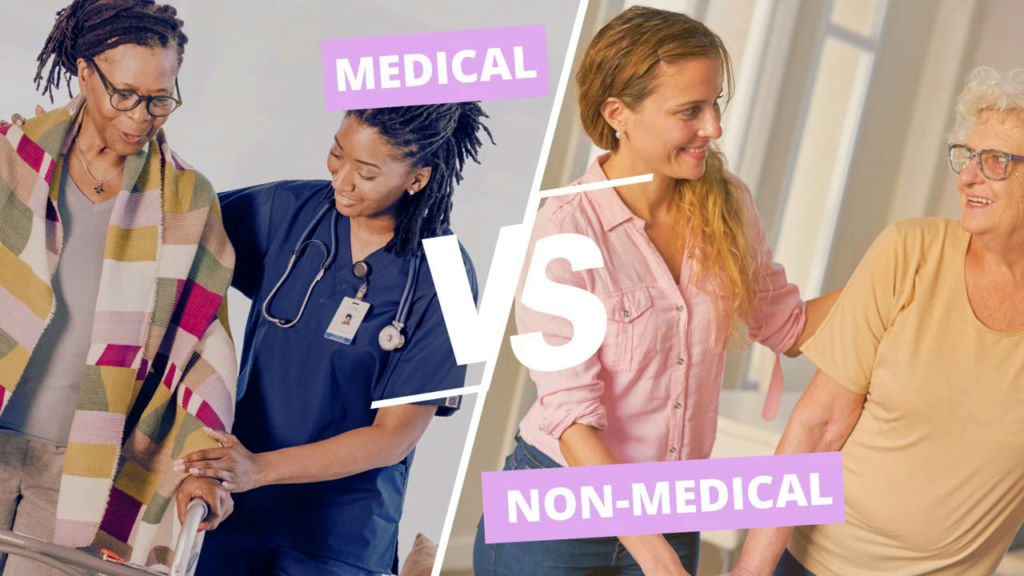
When it comes to senior care franchises, franchise opportunities are split across the medical and non-medical worlds, each with their own pros and cons.
Medical care is more closely regulated, a world where caregivers tend to possess accreditations like registered nurse or social worker, providing licensed services and therapeutic efforts. While such licensing can result in higher start-up and insurance costs, there can be a benefit to the consumer, with services like Medicare or the U.S. Department of Veterans Affairs helping to defray the price of medical services.
Non-medical, on the other hand, often touts a lower level of financial investment for the potential franchisee, with services skewing more toward patient comfort, safety and an improvement in quality of life as opposed to, say, prescribing medications.
Non-medical services are often centered upon ideas like companionship, meal prep, nutrition or basic home upkeep, while medical services cater to conditions like dementia, providing assisted living services with a focus on memory. The management of chronic diseases also plays a role during the hospice care process.
Unlike medical services, customers of non-medical franchises often pay out-of-pocket. For non-medical franchisees though, franchise requirements tend to include less equipment, resulting in a lower start-up cost and a less regulated business model that can be more widely applied to a broader base of consumers.
With a lower threshold for entry, non-medical franchise opportunities can present potential franchisees with a wider employee pool to cull from, resulting in a greater ease of scheduling.
In both the medical and non-medical worlds, care may be necessary on an hourly, around the clock or specialized basis, making choosing the right franchise opportunity a crucial step for franchisees looking to invest.
In this story
This story was originally published in 1851 Franchise on October 20, 2025. Burnaze summarizes and links to the original reporting.
Read the full story at 1851 FranchiseLiked this? Get the week's franchise news, explained
- Sunday 8 AM ET weekly + a monthly deep dive
- Sections picked for the industries you follow
- Every claim linked to its source. Free.