TL;DR
Meritage Hospitality Group, a large Wendy's franchisee, has filed for bankruptcy due to falling sales and debt payment struggles. This bankruptcy filing is one of several this year, highlighting problems with franchisee operators and prompting brands to rethink their franchising strategies.
This has been a tough run for Wendy’s. Management changes. Maybe-maybe-not deal ideas from Nelson Peltz. Falling sales. No longer bigger than Burger King.
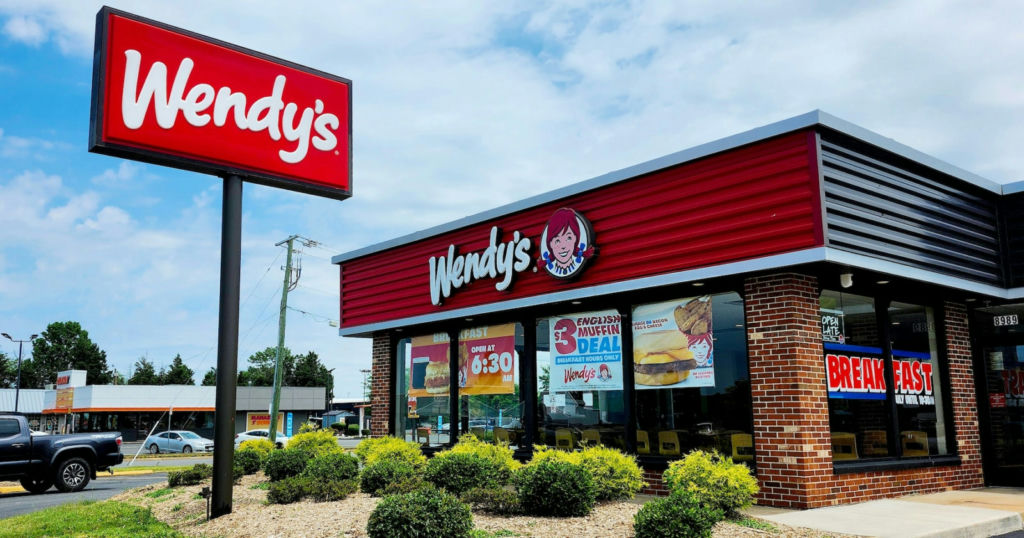
Now this: One of its biggest franchisees, Meritage Hospitality Group, has filed for bankruptcy.
The Chapter 11 filing seems mostly straightforward. Wendy’s sales fell. The operator’s profitability followed suit. The company struggled with debt payments. It hired a restructuring expert. It decided on bankruptcy.
Franchisee bankruptcy filings
Meritage is not a small bankruptcy. It is the largest, by far, since the 2020 filing of NPC International, also a Wendy’s operator but known more for its Pizza Hut ownership. It’s the type of bankruptcy filing that should cause brands to rethink how they franchise.
Franchisee bankruptcies have taken off this year, and this one should shine a big light on the problems with operators right now. And it should discourage franchises from encouraging operators to amass large numbers of stores.
In the fast-food space, franchisors have spent years putting more costs onto their operators, including technology fees, remodel costs, and expansion demands. Rising costs for food and labor led to soaring inflation, which prompted a discount war that is in its third year.
Many franchisors did themselves little favor by courting large-scale operators under the idea that these franchisees had more financial wherewithal. But when such operators collapse, they create massive problems for the brand. With one bankruptcy, Meritage put 5% of Wendy’s U.S. locations under Chapter 11. That’s a big problem.
Franchisor strategies
Regardless, brands need to maintain a focus on franchisee profitability regardless of the size of their operators. The future of their systems depend on it.
Pizza Hut has been sold and of course its new private-equity owners are using a whole business securitization to finance the deal. I’m sure that there will be no problems at all whatsoever.
Gas prices are rising again, which is bad. But the economy is going well enough that the Fed is raising interest rates, which is good I guess. But fast-food restaurants haven’t been participating in the party. That’s bad.
Restaurant Brands International settled a lawsuit over its 2024 Carrols deal.
Dave & Buster’s doesn’t think the economy is its problem anymore, which is definitely not a good thing.
A big Domino’s now-former franchisee closed 13 locations. That’s rare, for Domino’s, at least. But folks tell me they expect those locations to reopen quickly.
Sailormen, the other big franchisee bankruptcy this year, is suing a company that backed out of an agreement to take over some of its restaurants.
Domino’s closures have been paltry for years, at less than half a percent every year, which is what happens when you make $1.4 million per store in a model that works roughly anywhere.
“It hasn’t really changed my habits, because you can always take half your meal home or, frankly, my boyfriend usually eats the rest.” -Karen Pagonis, a GLP-1 user, on her restaurant habits.
For questions, comments or story ideas, send me an email at jonathan.maze@informa.com. And follow me on Twitter at @jonathanmaze. And also LinkedIn. And TikTok.
In this story
This story was originally published in Restaurant Business on September 21, 2026. Burnaze summarizes and links to the original reporting.
Read the full story at Restaurant BusinessLiked this? Get the week's franchise news, explained
- Sunday 8 AM ET weekly + a monthly deep dive
- Sections picked for the industries you follow
- Every claim linked to its source. Free.