TL;DR
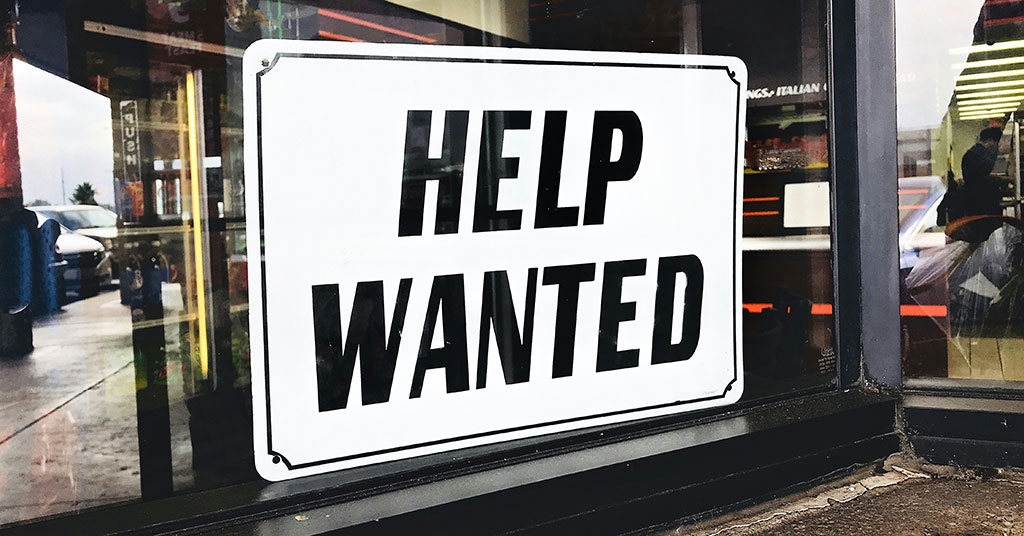
Half of U.S. states, all led by Republicans, are cutting back on expanded federal unemployment benefits, sparking controversy over whether this decision is based on sound economics or politics. The move is intended to incentivize unemployed workers to return to work, as employers face difficulties in finding employees.
As half of U.S. states are cutting back on expanded federal unemployment benefits, controversy has erupted as to whether these actions are based on sound economics or craven politics.
Here’s a clue: all the states ending the expanded federal benefits under the American Rescue Plan of 2021 (currently scheduled to end September 6) are led by Republicans. Here’s a state-by-state report from Business Insider (“GOP-Led States Are Cutting $300 Weekly Federal Unemployment Benefits”). According to Fox Business News, “Alabama, Alaska, Arizona, Arkansas, Georgia, Idaho, Indiana, Iowa, Maryland, Mississippi, Missouri, Montana, Nebraska, North Dakota, Ohio, Oklahoma, South Carolina, South Dakota, Tennessee, Texas, Utah, West Virginia, and Wyoming announced they will stop giving unemployed workers an extra $300 in benefits sometime over the summer.”
The crux of this reasoning is that the additional money unemployed workers are receiving is acting as a disincentive to them returning to work. Combine that with the difficulties employers are facing in finding employees to staff up as consumers return to their pre-pandemic ways, and you have a real dilemma as the economy reheats post-Covid. Rather than claim we know better than anyone on any side of this situation, we’ve gathered up a series of articles on the topic, which we summarize and link to.
1) Stimulus Checks Substantially Reduced Hardship, Study Shows “Researchers found that sharp declines in food shortages, financial instability, and anxiety coincided with the two most recent rounds of payments.” 2) The Real Reason Employers Can’t Hire Enough Workers “…many employers are facing an unexpected problem: they can't hire the workers they need. Despite unemployment numbers in the millions, some 8.
1 million job vacancies remain. This problem is concentrated among America's low-wage workforce, hitting restaurants, warehouses, manufacturers, and the service industry.” 3) States Cutting $300-A-Week Unemployment Benefits Face $12 Billion Economic Hit “The 24 states [now 25] that plan to cut off federal unemployment benefits in the coming weeks stand to have their economies lose a combined $12 billion, according to a report from the U.
S. Congress Joint Economic Committee, countering claims from Republican lawmakers and business groups who say dropping the $300-a-week benefits is necessary for a continued economic recovery.” 4) Americans Don’t Want to Return to Low Wage Jobs “The hopes for a booming pandemic recovery — growth led by jobs gains in the millions every month — were dealt a blow in recent weeks by a disappointing April jobs report.
Perhaps we will see better when results for May are released this week, on Friday. … If you were a low-wage worker, why aggressively attempt to go back to work at a lousy, low-paying job, when you can make more money collecting unemployment benefits.” 5) Lessons from California: 5 Ways To Adjust to $15 Minimum Wage As national pressure grows to increase the federal minimum wage from $7.
25/hour, restaurant operators must consider how to adjust their businesses to a $15 minimum wage. **6) Webinar, June 22, 2 p.m.
In this story
This story was originally published by Eddy Goldberg in Franchising.com on June 3, 2021. Burnaze summarizes and links to the original reporting.
Read the full story at Franchising.comLiked this? Get the week's franchise news, explained
- Sunday 8 AM ET weekly + a monthly deep dive
- Sections picked for the industries you follow
- Every claim linked to its source. Free.