TL;DR
Fitness businesses expect to earn 63% of their 2019 revenue in 2020, with 69% of facility members returning after clubs reopened. The report surveyed 556 fitness businesses, including for-profit clubs, non-profit recreation centers like YMCAs, and private social and country clubs.
The results of a new report measuring the successes and shortcomings of the reopening efforts of workout spaces are, predictably, not rosy, but may be better than expected. The report, conducted by the consulting firm ClubIntel and surveying 556 fitness businesses, found that, on average, 69 percent of facility members returned after clubs reopened and club operators expect their 2020 earnings to be 63 percent of what they were in 2019.
The survey entitled The Fitness Industry’s Re-Awakening Post-COVID -19 Facility Closures, was conducted in the first two weeks of September, allowing for a view of how the dust has settled since a lockdown and (depending on the area) spike or two. The data does not speak for fitness businesses that have closed permanently and respondents are scattered across the world, encompassing spaces with vast differences in covid-19 infection rates and resultant operation restrictions and customer anxiety.
Still, the geographical differences in the data were slight and the report shows the pains and progress of fitness clubs as they try to retain members and stop the bleeding of cash flow.
Survey demographics
The respondents were a mix of for-profit fitness clubs (43 percent); fitness studios, like yoga or Pilates businesses (28 percent); non-profit recreation centers, like YMCAs and Jewish community centers (16 percent); and private social and country clubs (13 percent). Thirteen of the businesses responded that they were still closed because of the pandemic.
On average, 21 percent of pre-covid members cancelled their memberships, giving the pandemic as the reason. Sixty-nine percent returned.
Operators of fitness businesses projected, on average, that they will make 63 percent of what they did in 2019. While closed, businesses, on average, made about 31 percent of their usual monthly revenue, presumably through video instruction or memberships that continued during the closure. On average, they recouped 87 percent of their monthly revenue after reopening.
Digital services growth
Some of this money is coming from streaming video. In 2019, only 25 percent of fitness clubs had some kind of digital service, according to a ClubIntel survey conducted last year. During closures, 74 percent of clubs offered some kind of streaming video services (and 72 percent continued to do so after reopening). Digital offerings included live-streamed group exercise classes (conducted by 71 percent of the businesses responding), online fitness coaching (53 percent) and internet events or competitions (33 percent).
Fitness businesses were able to, on average, rehire 79 percent of their full-time employees after reopening and 74 percent of part-timers. Forty-seven percent of clubs said they kept their entire staff.
The report also asked which covid-19 safety measures clubs had taken since reopening, giving them a yes-or-no choice between 21 options. The most common actions included instituting social distancing guidelines (done by 69 percent of businesses), thoroughly cleaning and disinfecting (67 percent), mandating the disinfecting every surface or piece of equipment after each use (64 percent).
Some less common steps include building an outdoor fitness space (done by 13 percent of clubs), upgrading the heating, cooling and ventilation system with a MERV-13 filter or better (13 percent), and closing locker rooms (16 percent).
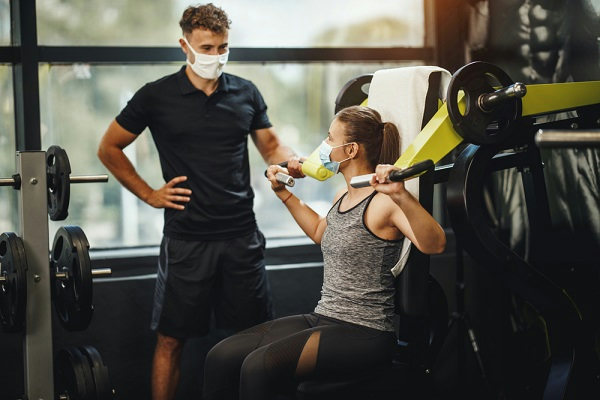
Facemask usage was mixed: 39 percent required clients to wear facemasks at all times when in the facility and 19 percent required them, but allowed patrons to take them off while exercising. As for employees, 41 percent required them to wear masks and gloves.
“The greatest challenge during March and April was gaining member confidence,” wrote a staffer at 360 Träningscenter in Sweden. “We also learned that being consistent, following guidelines and being sensitive with our communication was crucial, and in hindsight, played a big role in the company’s fast recovery.”
In this story
This story was originally published by Nick Keppler in Athletech News on October 29, 2020. Burnaze summarizes and links to the original reporting.
Read the full story at Athletech NewsLiked this? Get the week's franchise news, explained
- Sunday 8 AM ET weekly + a monthly deep dive
- Sections picked for the industries you follow
- Every claim linked to its source. Free.