TL;DR
The U.S. Department of Commerce has set a 15% tariff cap on Taiwanese auto parts, providing relief for franchise collision repair networks and aftermarket parts distributors. The decision is expected to benefit aftermarket parts manufacturers and could widen the cost gap between OEM and aftermarket parts.
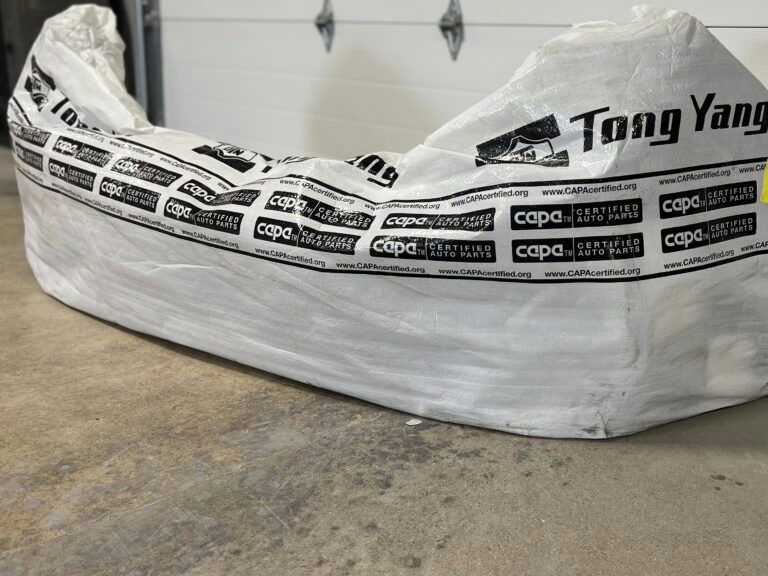
The U.S. Department of Commerce has set a 15% tariff cap on Taiwanese auto parts, along with certain timber, lumber, and wood-derived products. This decision, filed in the Federal Register, could benefit aftermarket parts manufacturers, especially since a majority of CAPA's listed participants are located in Taiwan.
This cap comes as OEM suppliers face distress from global factors, including tariffs. The United States-Mexico-Canada (USMCA) agreement is also due for a formal review in July; Mexico and Canada are significant OEM auto parts producers for the U.S. market.
Edward Salamy, Executive Director of the Automotive Body Parts Association (ABPA), stated that capping Section 232 tariffs on Taiwanese automotive parts is a positive development for the collision repair industry, automotive aftermarket, and consumers.
> "The collision repair industry depends upon a healthy and competitive supply chain,” Salamy said. “This decision recognizes the importance of maintaining access to cost-effective automotive parts while supporting broader supply chain stability. As trade discussions continue to evolve, the ABPA will remain actively engaged and will continue advocating for policies that support competition, affordability, and consumer access to quality replacement parts."
Taiwanese government officials are focusing on the benefits this tariff cap will bring to their auto parts manufacturers. The Taipei Times reported that the Taiwanese ministry believes tariffs dropping from an average of 26.71% will boost order momentum for Taiwan-made auto parts.
Market reaction in Taiwan has been strong, with "almost all related stocks hitting limit-up today," according to Taiwan Minister of Economic Affairs Kung-hsin. The tariff reduction aims to put Taiwan on par with Japan, South Korea, and the EU, further enhancing its advantage over China.
A recent report by PartsTrader indicates that geopolitical changes have increased the cost of OEM parts, while aftermarket parts have remained relatively stable. However, the Enlyte Envisions Trends 2026 Report found that aftermarket prices increased by 3.89% in 2025 and 3.08% in 2024. OEM prices, though, saw even higher increases, at 4.21% in 2025 and 3.52% in 2024.
Ryan Mandell, Mitchell International’s strategy and market intelligence vice president, noted in March that aftermarket, recycled, and remanufactured parts usage rose by 1.5% due to increased OEM parts costs. That same month, a survey from the Automotive Aftermarket Product Expo (APPEX) revealed that 6 out of 10 aftermarket businesses expect growth in demand for their products this year, with 53% already observing an increase in demand for lower-cost parts and service.
The Taiwan tariff cap could further widen the cost gap between OEM and aftermarket parts, making the outcome of the impending USMCA review even more crucial for automakers. According to an Automotive News tracker, North American and European Tier 1 and Tier 2 suppliers have already shed over 60,000 jobs due to reduced EV production and escalating tariff costs.
In this story
This story was originally published by Teresa Moss in Repairer Driven News on June 8, 2026. Burnaze summarizes and links to the original reporting.
Read the full story at Repairer Driven NewsLiked this? Get the week's franchise news, explained
- Sunday 8 AM ET weekly + a monthly deep dive
- Sections picked for the industries you follow
- Every claim linked to its source. Free.