Adapting Restaurant Strategies for Evolving Daily Rhythms
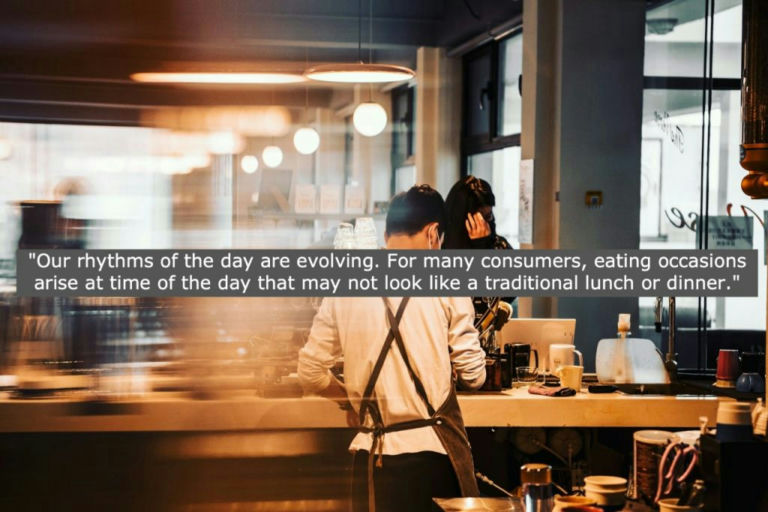
New data from Circana suggests multi-unit restaurant operators should offer more flexible portion sizes and portable options to meet evolving consumer eating schedules.
Modern Restaurant Management is a publication in Burnaze's franchise knowledge graph, mentioned since 2018. 151 stories link here, each summarized from the original publisher. * Restaurants need to be prepared for food recalls, which have increased in scale due to complex international supply chains [[2026-10-29 Food Recalls Have Changed Is Your Restaurant Prepared (87a78d)]]. * ArrowStream forecasts a 42.2% rise in chicken wing prices in 2027, and commodity food costs are expected to increase by 21% for wing-focused concepts [[2026-10-28 Restaurant Operators Should Plan for Higher Prices in 2027 (2ef452)]]. * Restaurant operators flagged by Yelp for gaming online reviews saw a 13.56 percent loss in foot traffic, according to research from George Mason University [[2026-10-27 Customer Trust Is a Long-Term Asset (1c0f0f)]]. * Restaurants can protect service quality during the holiday rush by preparing and paying attention to detail, with 46% of American diners prioritizing order and billing accuracy and 82% valuing personal attention [[2026-10-26 Four Ways Restaurants Can Protect Service Quality During the Holiday Rush (dc6b43)]]. * Restaurant operators should prepare for year-end close in October to avoid costly corrections, by reviewing inventory counts, vendor statements, and financials [[2026-10-22 The Year-End Close Starts in October (29484a)]]. * Restaurants in the US are facing financial challenges due to rising costs and supply-chain disruptions, leading to menu price increases, with 68% of operators raising prices in the past 12 months [[2026-10-21 Financial Pressures Force Restaurants to Reshape (29df60)]]. * Digital signage has emerged as a must-have modernization tool for restaurants, helping to improve customer experiences and extend the value of corporate marketing efforts [[2026-10-15 The Hidden Ways Digital Signage Helps Modernize Restaurant Operations (0a3cca)]]. * Revenue Management Solutions finds that 48% of high-income households are spending more at restaurants, while households earning under $50,000 are pulling back on casual dining and coffee runs [[2026-10-14 How the Income Divide Is Shaping Restaurant Traffic and Guest Spend (4de157)]].

New data from Circana suggests multi-unit restaurant operators should offer more flexible portion sizes and portable options to meet evolving consumer eating schedules.

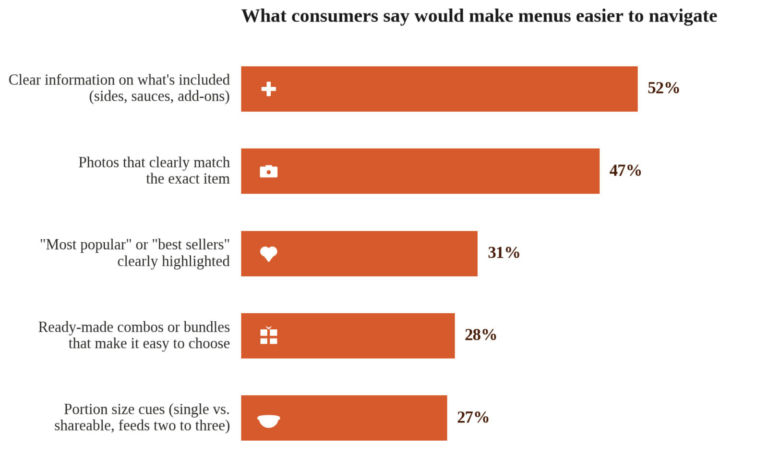
A new consumer curiosity report indicates that restaurant guests are seeking more flexible menu navigation and transparent ingredient information to justify premium price points.

QSR operators are advised to shift focus from reward redemption to account security to prevent loyalty program fraud and protect customer data.

In Canada, full-service restaurants now represent a significant share of the hospitality landscape.

Operators are having a fundamentally different relationship with data and what most restaurant technology previously offered because a third of them are treating AI as analyst instead of just a reporting tool, according

David Cantu has deep empathy for restaurant operators because he walked in their shoes for almost two decades.

Every major sporting event promises brands a chance to capture attention.

If you’ve recently felt like everything at the grocery store now has added protein, you’re not alone. Protein has moved mainstream and is no longer a niche concern rese

Leveraged franchise operators face $342 million in liabilities with inadequate D&O insurance

Artificial intelligence has become one of the restaurant industry's biggest topics, but many chefs and operators are still asking the same question: What does it actually do inside a kitchen?

New industry data reveals that while word of mouth remains the top discovery tool, search results and delivery apps are critical for capturing diners during the moment of choice.

TD Bank’s Head of Restaurant and Franchise Finance outlines the operational challenges multi-unit operators face regarding food safety, inflation, and shifting consumer habits.

Franchise operators are increasingly prioritizing second-generation spaces to mitigate rising construction costs and high interest rates while accelerating opening timelines.

Full-service restaurant groups are being encouraged to look beyond unit growth and price hikes to find untapped revenue within existing operations.

As green coffee costs rise, restaurant operators are increasingly looking to menu add-ons to protect margins in a $58.5 billion market.

Data from 2026 restaurant development pipelines shows a bifurcated market where compact off-premise quick-service footprints are expanding alongside traditional full-service dining models.

Financial experts advise restaurant operators to prioritize daily monitoring of sales and labor costs to predict gross operating profit rather than relying solely on month-end reports.

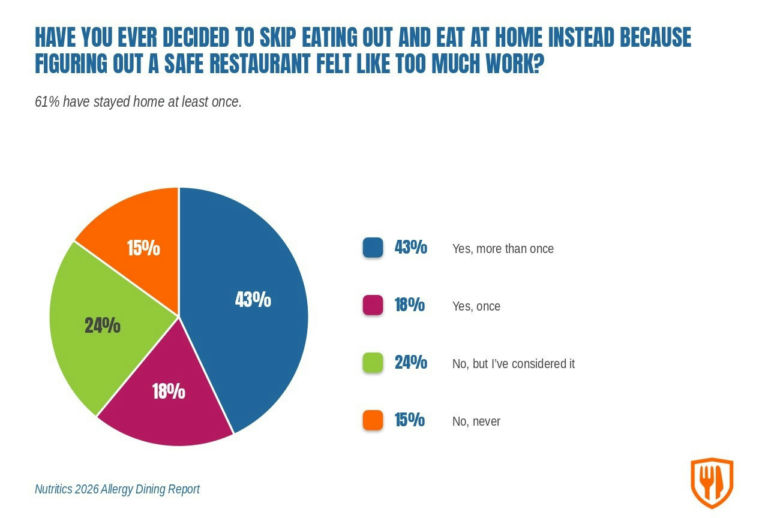
New research indicates that 71% of diners would visit restaurants more frequently if allergen information were clearly accessible, highlighting a significant revenue opportunity for operators.

While major restaurant chains leverage AI for sophisticated business intelligence, independent operators risk falling behind without access to similar data-driven decision-making tools.

Recent Cyclospora outbreaks illustrate the severe impact food safety recalls can have on restaurant traffic and sales, even for brands not directly involved in the contamination.

Sixty percent of hospitality workers ghost new employers after job offers.

Restaurant operators use in-store audio to drive engagement and loyalty

Every few months the conversation resurfaces: Should we eliminate tipping? On the surface, it sounds like a simple solution. Pay everyone a higher hourly wage and remove tips altog

Despite economic volatility and slower traffic, restaurant merger and acquisition (M&A) volume increased 42.9 percent year over year, according to data from Capstone Partners.