Recognition Champions Can Boost Retention
New research from O.C. Tanner suggests that restaurant operators can significantly improve retention and trust by identifying and empowering 'recognition champions' within their staff.
Modern Restaurant Management is a publication in Burnaze's franchise knowledge graph, mentioned since 2018. 151 stories link here, each summarized from the original publisher. * Restaurants need to be prepared for food recalls, which have increased in scale due to complex international supply chains [[2026-10-29 Food Recalls Have Changed Is Your Restaurant Prepared (87a78d)]]. * ArrowStream forecasts a 42.2% rise in chicken wing prices in 2027, and commodity food costs are expected to increase by 21% for wing-focused concepts [[2026-10-28 Restaurant Operators Should Plan for Higher Prices in 2027 (2ef452)]]. * Restaurant operators flagged by Yelp for gaming online reviews saw a 13.56 percent loss in foot traffic, according to research from George Mason University [[2026-10-27 Customer Trust Is a Long-Term Asset (1c0f0f)]]. * Restaurants can protect service quality during the holiday rush by preparing and paying attention to detail, with 46% of American diners prioritizing order and billing accuracy and 82% valuing personal attention [[2026-10-26 Four Ways Restaurants Can Protect Service Quality During the Holiday Rush (dc6b43)]]. * Restaurant operators should prepare for year-end close in October to avoid costly corrections, by reviewing inventory counts, vendor statements, and financials [[2026-10-22 The Year-End Close Starts in October (29484a)]]. * Restaurants in the US are facing financial challenges due to rising costs and supply-chain disruptions, leading to menu price increases, with 68% of operators raising prices in the past 12 months [[2026-10-21 Financial Pressures Force Restaurants to Reshape (29df60)]]. * Digital signage has emerged as a must-have modernization tool for restaurants, helping to improve customer experiences and extend the value of corporate marketing efforts [[2026-10-15 The Hidden Ways Digital Signage Helps Modernize Restaurant Operations (0a3cca)]]. * Revenue Management Solutions finds that 48% of high-income households are spending more at restaurants, while households earning under $50,000 are pulling back on casual dining and coffee runs [[2026-10-14 How the Income Divide Is Shaping Restaurant Traffic and Guest Spend (4de157)]].

New research from O.C. Tanner suggests that restaurant operators can significantly improve retention and trust by identifying and empowering 'recognition champions' within their staff.

New report shows limited-service restaurants saw a significant sales decline in April as rising energy costs impacted consumer dining habits.

The restaurant operators I worry about most are the ones who built their businesses the hard way, whether they run a single neighborhood spot or a dozen locations grown one at a time.

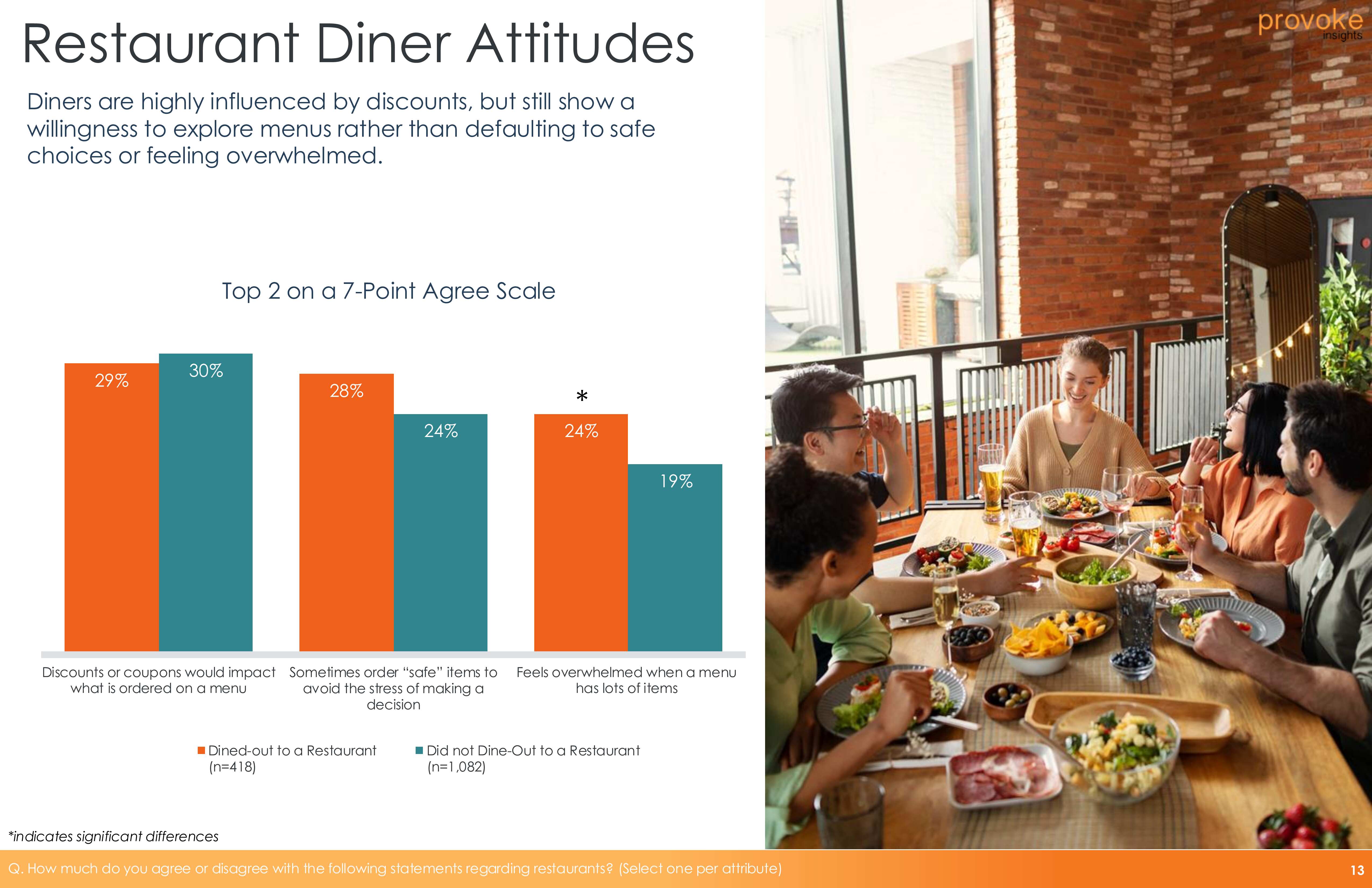
Food quality drives 48 percent of loyalty, says Provoke Insights report.

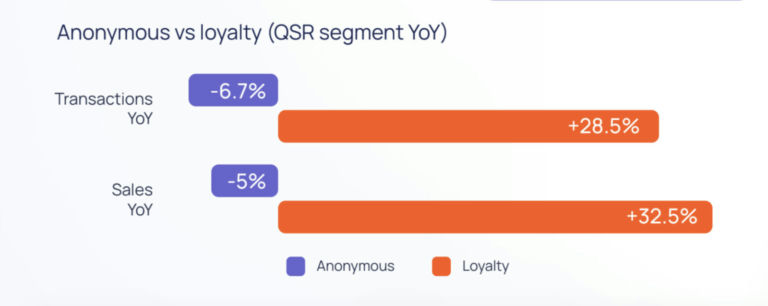
New data from PAR Technology suggests that QSR operators can close significant revenue gaps by integrating front-of-house, loyalty, and back-of-house data into a unified system.

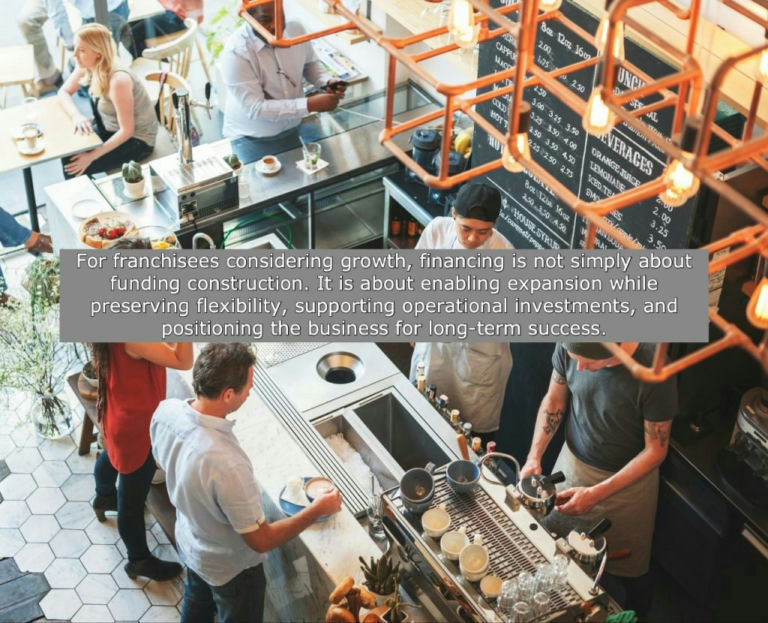
As competition intensifies across QSR and fast casual segments, financing is becoming a critical tool for operators looking to scale locations, preserve liquidity, and grow sustain

There’s a growing desire among consumers for nutrient-dense foods that boost energy, improve concentration, and aid health so when eating out, they expect menus to reflect th

Restaurant365 COO Eric Cox highlights how snackable items help multi-unit operators address labor pressures and the growing consumer demand for shareable experiences.

A new study by Intouch Insight reveals that reliability and order accuracy are more critical to mobile ordering customer satisfaction than pickup speed.

An Uberall report reveals that 83 percent of QSR brands are invisible to AI search recommendations, posing a significant risk to customer discovery and foot traffic.

Quarterly traffic data shows Millennial and Gen Z diners are driving growth by opting for protein-focused upgrades and specialty beverages despite broader market pullbacks.

New research highlights how fragmented consumer journeys across social media and loyalty apps are forcing restaurant brands to refine their cross-channel messaging strategies.

Recent data shows double-digit growth for flavored butters on U.S. menus as restaurant operators leverage compound blends to increase perceived value and craveability.

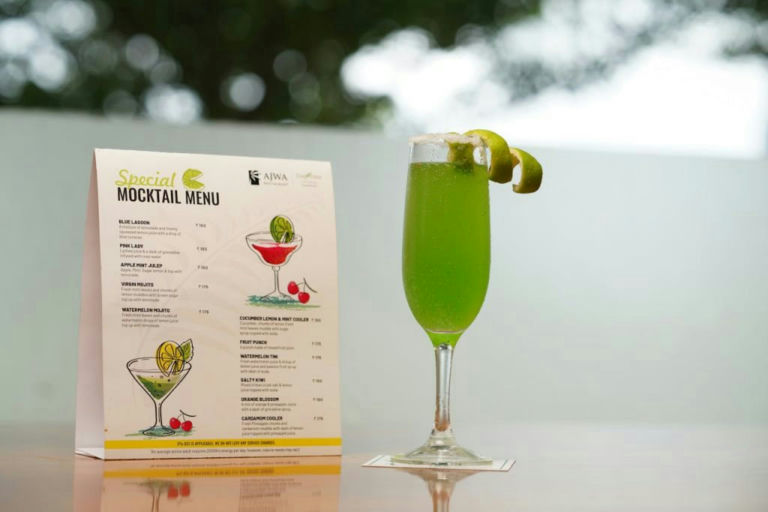
As Gen Z shifts away from alcohol, restaurant operators are developing sophisticated non-alcoholic beverage programs to maintain high-margin attachment rates and guest satisfaction.

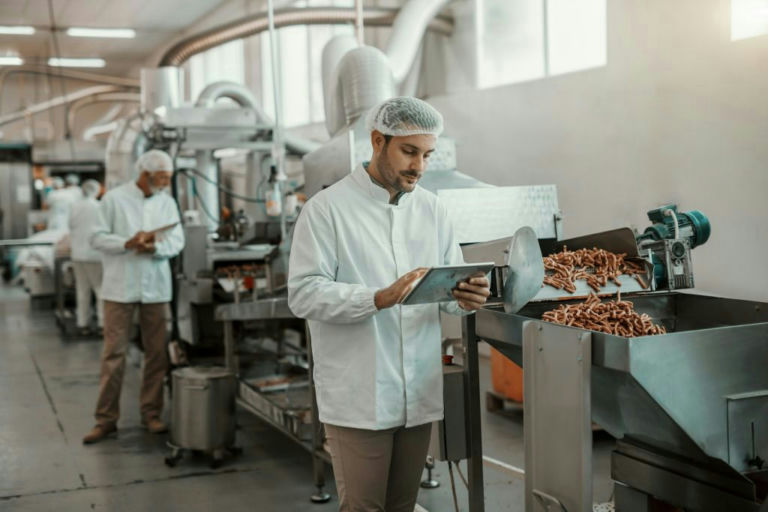
The impending FSMA 204 Food Traceability Rule is pushing restaurant chains and suppliers to overhaul record-keeping and electronic data exchange ahead of the 2028 enforcement.

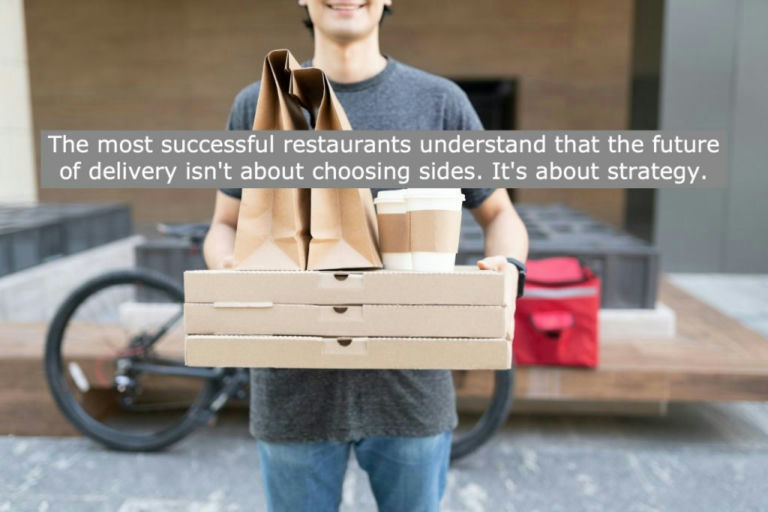
Restaurant brands are increasingly adopting hybrid delivery strategies that balance the reach of third-party platforms like Uber Eats with the control of in-house systems.

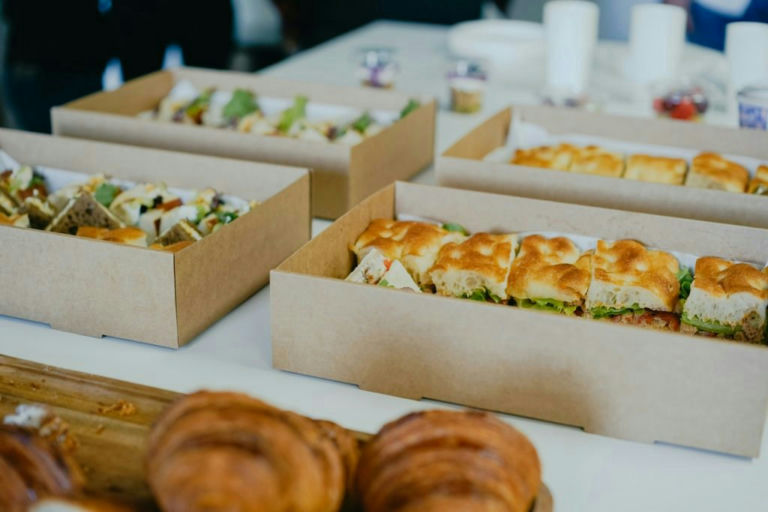
New data from ezCater reveals that workplace catering introduces 62% of employees to brands they later frequent individually, creating a powerful marketing halo for restaurant chains.

Expert guidance for restaurant operators on managing younger seasonal staff pools and building flexible scheduling frameworks to maintain guest experience during busy summer months.

New data suggests Gen Z restaurant loyalty is driven more by instant, relevant value and digital engagement than by generic percentage-off coupons.

Women in the restaurant industry are moving away from traditional stoicism toward more candid discussions about the emotional endurance required to operate modern dining establishments.

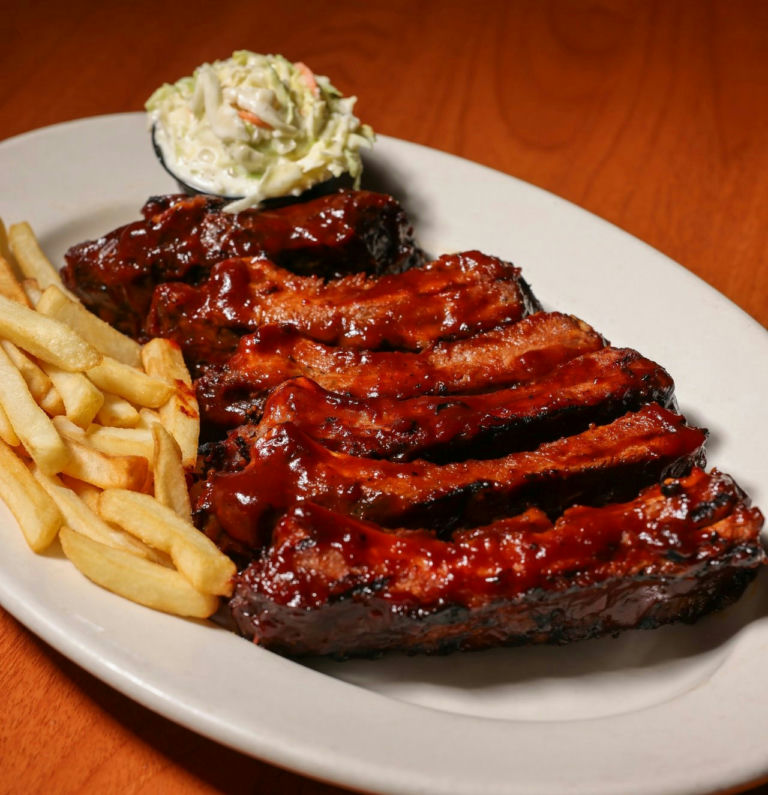
Tony Roma’s is undergoing an operational overhaul to integrate fast-casual formats and new technology while maintaining its legacy as a destination for ribs.

Multi-unit restaurant operators must develop collaborative communication systems with supply chain partners to mitigate public health risks and protect brand reputation during food recalls.

A new report indicates that 68% of small business owners, including restaurant operators, plan to increase marketing budgets in 2026 to drive growth despite economic headwinds.

Relying on monthly financial reports can hide critical issues like inventory shrinkage, making real-time data essential for maintaining restaurant profitability and proactive management.