TL;DR
Penn Station East Coast Subs President Craig Dunaway and Director of Development and Franchising Greg Goddard discuss franchisor-franchisee relations and the brand's business model. The brand has over 35 years of history and a proven operational model that has survived changing consumer habits and trends.
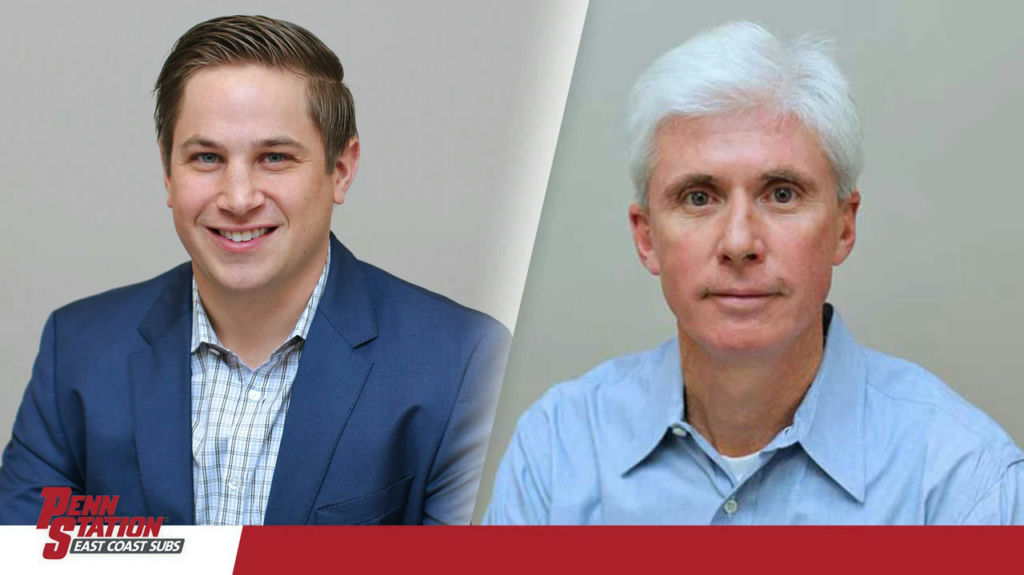
Greg Goddard, Director of Development and Franchising, and Craig Dunaway, President of Penn Station East Coast Subs, are two of the foremost experts on what it takes to be a Penn Station franchisee. The two industry veterans are experts not only in the business of franchising, but also in leadership, business, and franchisor-franchisee relations. The brand has over 35 years of history behind it**, and its tried-and-true operational model has survived a myriad of changing consumer habits, climates and trends.
The two industry leaders spoke with 1851 on three key questions that define the work they do, why they do it and why Penn Station is confident going into 2020.
Dunaway: Penn Station is great for its small space, low overhead, efficiency and scalability. Franchisees can choose to do a single-unit franchise opportunity or to develop five to six stores in one market. We have created a proven business model that allows operators to grow their footprint and create more business opportunities for themselves.
Goddard: It’s always better to start building a business sooner than later. Brands develop based on daily business, but success is often determined based on the speed of the market. Penn Station provides tools so that operators can start making informed business decisions as soon as they start franchising and ultimately become multi-unit operators.
Dunaway: When I look at Penn Station and the opportunities before the brand, we have worked extensively over the last three years on enhancing the business model. We want all of our locations to be relevant and sustainable for the next 15–20 years and beyond.
We made some minor adjustments to operational flow to benefit franchisees from a labor perspective, and we enhanced our menu to benefit customers from a flexibility-of-menu perspective. Simply stated, we added a few new items to meet modern consumers’ changes in taste and removed those that were less popular or no longer relevant. Doing so allows us to compete and sustain our business for the next 10 years and beyond.
Goddard: We are very selective. We believe it is an honor to be chosen as a Penn Station franchisee. We don't just deal with anybody—we want to deal with people who further perpetuate the integrity and success of the brand. There are a lot of tools we use to evaluate candidates—personality profiles, assessing their business acumen and small business experience to name a few. That’s a 30,000-foot view of how we approach the process.
As a brand, we are well-positioned in the Midwest to build upon our success over the last 35 years. With great brand awareness and store-level performance in core-markets, there are significant whitespace opportunities that already have a basis of brand awareness and corporate support, leading to increased speed to the market.
Dunaway: Treat it more like a marriage than a date. Ideally you're going to be with us for the next 20 or so years, so really assess whether philosophically you buy into what we're selling. Meanwhile, we need to assess whether or not you will represent the brand in a positive, mutually-beneficial way. Sometimes turning down a prospective candidate is the best thing we can do for them and the brand.
This isn’t a passive business, and if you think you are going to simply open the doors and make money without working extremely hard, you’re fooling yourself. Our job, in part, is to ensure we lay out the expectations to the candidates so that they intimately understand what we do, how we do it and why we do it. If they treat this like a passive real estate investment, they’re going to either not succeed, or worse, fail.
Goddard: Consider the process. What we’re looking for is something like a long-term marriage. Our philosophy isn't to open just one store with one franchisee, we want people who are willing to build with the brand. We want the goals of all managing partners and active investors to align. Be prepared to visit our office and meet the leadership team, and then we can go from there.
Franchising, at its core, is staged-entrepreneurialism. Our best franchisees have the passion and work ethic of an entrepreneur, but they have to be able to follow a system. Our top operators embody that spirit, but also have the operational and financial wherewithal do develop and market their business.
In this story
This story was originally published in 1851 Franchise on February 24, 2020. Burnaze summarizes and links to the original reporting.
Read the full story at 1851 FranchiseLiked this? Get the week's franchise news, explained
- Sunday 8 AM ET weekly + a monthly deep dive
- Sections picked for the industries you follow
- Every claim linked to its source. Free.