TL;DR
Arby's made a successful comeback with new marketing efforts led by chief marketing officer Rob Lynch, who helped the brand capitalize on pop culture to increase its brand awareness. Arby's has outperformed other brands in the quick service restaurant industry for 14 straight quarters.
For years, Arby’s appeared to be at a major standstill. Consumers across the country were familiar with the brand, but its menu and marketing efforts weren’t quite enough to actually get people through its doors. But that all started to change when Arby’s brought on a new leadership team, including chief marketing officer Rob Lynch.
Adweek notes that in a speech at the annual Association of National Advertisers’ Masters of Marketing Conference, Lynch said, “Our customers were not loving Arby’s for a very long time. We had lost about $150,000 in sales per restaurant over a four-year period, which for a brand of our size is essentially catastrophic.”
But it proved not to be completely devastating—over the past few years, Arby’s has managed to make a successful comeback. Lynch has helped the brand make a number of significant changes to its marketing strategy that have gotten Arby’s back in the national conversation and in front of American consumers. The first change happened just a few months after Lynch joined the brand in October of 2013, when Arby’s hired a new ad agency and launched its “We Have the Meats” campaign.
That set the tone for a different kind of company, and Arby’s started making its presence known again amongst its core consumer base. It’s clear that Lynch’s marketing strategy is paying off—Arby’s has outperformed other brands in the quick service restaurant industry for 14 straight quarters. But Lynch is insistent that the brand’s comeback isn’t due to some top secret technique or even technology.
“There’s not a lot of secret sauce here. It’s knowing who your customer is, knowing what your brand stands for and how you uniquely meet that customer’s unmet needs, and then figuring how to connect with them in an engaging and relevant way,” Lynch told Forbes.
Engaging consumers—especially millennials—has given Arby’s the opportunity to stand out from its competitors. The best example of this happened at the 2014 Grammy Awards, when Pharrell Williams wore a hat that resembled the brand’s logo. Arby’s sent out a single tweet that read, “Hey Pharrell, can we have our hat back? #GRAMMYs.” It immediately went viral—by the next morning the tweet had earned more than 40,000 favorites, 75,000 retweets and even a response from Pharrell himself.
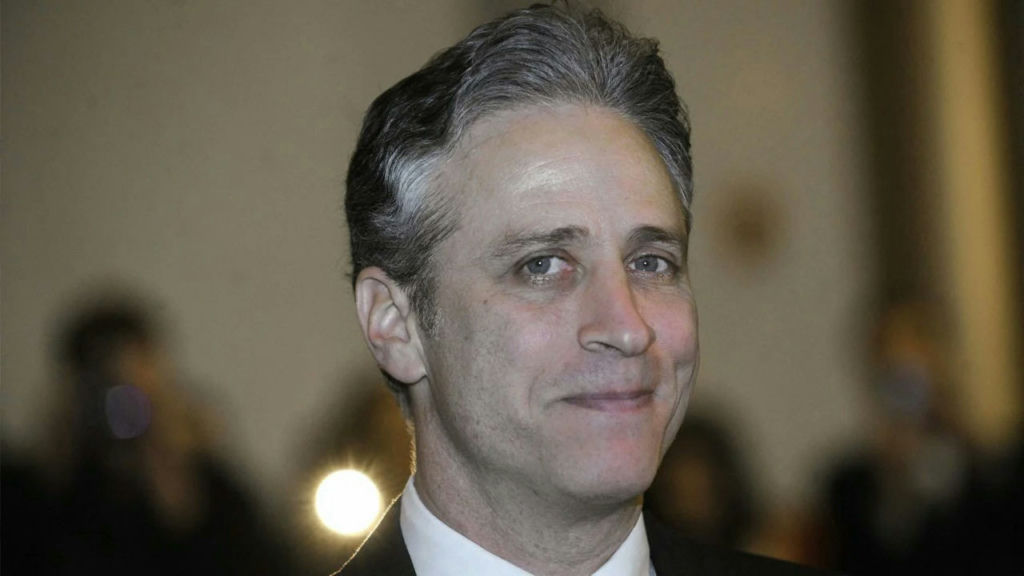
That’s not the only time Arby’s capitalized on pop culture to increase its brand awareness. Arby’s had a long history with Jon Stewart, who would frequently mock the brand while hosting Comedy Central’s “The Daily Show.” So when Stewart announced he was stepping down, Arby’s tweeted him a link to its career inquiry email address. The brand also created special ads that aired during Stewart’s last show as host.
Jumping on those types of rare opportunities is far from traditional, and at times can seem forced. But by holding out for the moments that make the most sense, Arby’s is now known for its ability to join in on timely and trending national conversations. That’s a definite part of Lynch’s strategy—he says taking risks is worth the reward.
In this story
This story was originally published in 1851 Franchise on September 22, 2016. Burnaze summarizes and links to the original reporting.
Read the full story at 1851 FranchiseLiked this? Get the week's franchise news, explained
- Sunday 8 AM ET weekly + a monthly deep dive
- Sections picked for the industries you follow
- Every claim linked to its source. Free.