TL;DR
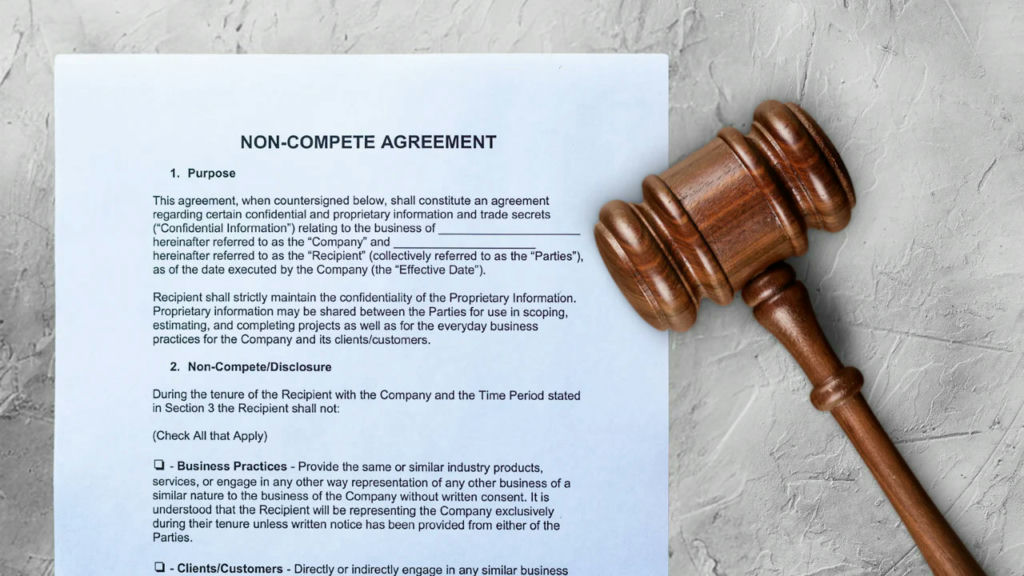
The FTC's new ban on noncompete agreements may have implications for franchising, particularly in employment agreements. The ban will likely have less of an impact on the franchisee-franchisor relationship and more on the employer-employee relationship.
The U.S. Federal Trade Commission just announced a new ban on noncompete agreements that’s raised concern and prompted discussion across sectors — the franchising industry no exception.
Michael Gray, a complex-and-commercial-litigation partner at national law firm Lathrop GPM, is an expert in employment law who’s represented major names in the franchise industry such as ServiceMaster, Merry Maids and FirstLight* Home Care. Gray spoke with 1851 Franchise to shed light on the implications this new noncompete ban could have the franchising world.
The ban will likely have less of an impact on the franchisee-franchisor relationship, and more on that of the employer-employee as both of the former handle employment agreements within their organizations.
"The rule as they published it excludes noncompete agreements between franchisors and franchisees,” Gray said. “So, in that sense, there is no change in the franchise relationship."
The new rule forbids noncompete agreements for all but senior executives. Large franchisors are likely to have senior executive employees who remain eligible for noncompete agreements with the new rule. But most franchisees, who have mostly rank-and-file employees, will now have employees considered exempt.
Despite being publicly announced, the ban is not yet set in stone. In fact, it isn’t set to go into effect for 120 days. Gray acknowledged the impending legal challenges to the ban and suggested that its effective implementation in 120 days is uncertain.
“This is going to be challenged in court,” Gray said. “There's been litigation planned in anticipation of the ruling for quite a while. I don't know when the first of those cases will be filed, but it will be filed, and it'll have to work its way through the courts to get a final decision as to whether the rule change will stand. It's unlikely to actually go into effect in 120 days.”
For this reason, Gray advised exercising caution in making immediate changes to employment contracts as a result of the potential ban.
Still, Gray recommends that franchisors and franchisees alike review their current employment contracts to identify noncompete clauses and assess their applicability to senior executive roles while remaining aware that the situation may yet change.
One of the most important immediate actions franchisors and franchisees can take as employers is identifying other ways of safeguarding their business interests beyond noncompete clauses. Non-solicitation clauses and trade secret protection are viable alternatives.
“These options are probably something employers should explore, and then revise their documents and agreements accordingly, including employee handbooks, as well as employment contracts,” Gray said. “It certainly wouldn't be a bad idea to start that process relatively soon, and be ready for the potential if [the noncompete ban] does actually go into effect.”
In this story
This story was originally published in 1851 Franchise on April 24, 2024. Burnaze summarizes and links to the original reporting.
Read the full story at 1851 FranchiseLiked this? Get the week's franchise news, explained
- Sunday 8 AM ET weekly + a monthly deep dive
- Sections picked for the industries you follow
- Every claim linked to its source. Free.