TL;DR
Quick-service operators are turning to beverages to drive traffic, with 86% citing it as a top challenge, and are leveraging trends such as customizable, low-sugar drinks and functional beverages to attract customers. Heartland Food Products Group is helping operators innovate in this space with products like Splenda Zero-Sugar Syrups and Creamers, Java House Cold Brew Concentrate, and Liquid Science Collagen and Hydration pods.
For quick-service operators, the pressure to drive traffic is putting new focus on the beverage menu. In a Kinetic 12 survey, 86 percent of operators identified traffic as a top business challenge, while 77 percent said limited-time offer innovation is a key growth strategy.
Beverages can create excitement, encourage trial, and give guests a reason to make an incremental visit without requiring a complete menu overhaul. They also sit at the intersection of two powerful consumer priorities: indulgent, highly customizable flavors and better-for-you choices.
“Beverages are uniquely positioned to drive traffic because they are one of the few menu categories benefiting from two major consumer shifts at once,” says Megan Rhetts, senior brand manager, Away from Home, at Heartland Food Products Group. “That flexibility makes beverages an attractive, lower-risk innovation platform for driving trial, frequency, and incremental visits.”
Beverage Trends
Guests Want Flavor Without the Sugar
Consumers increasingly want beverages that align with personal wellness goals, whether that means reducing sugar, supporting hydration, or seeking an energy boost. Heartland Food Products Group cites an IFEC Consumer Study finding that 77 percent of consumers are avoiding sugar.
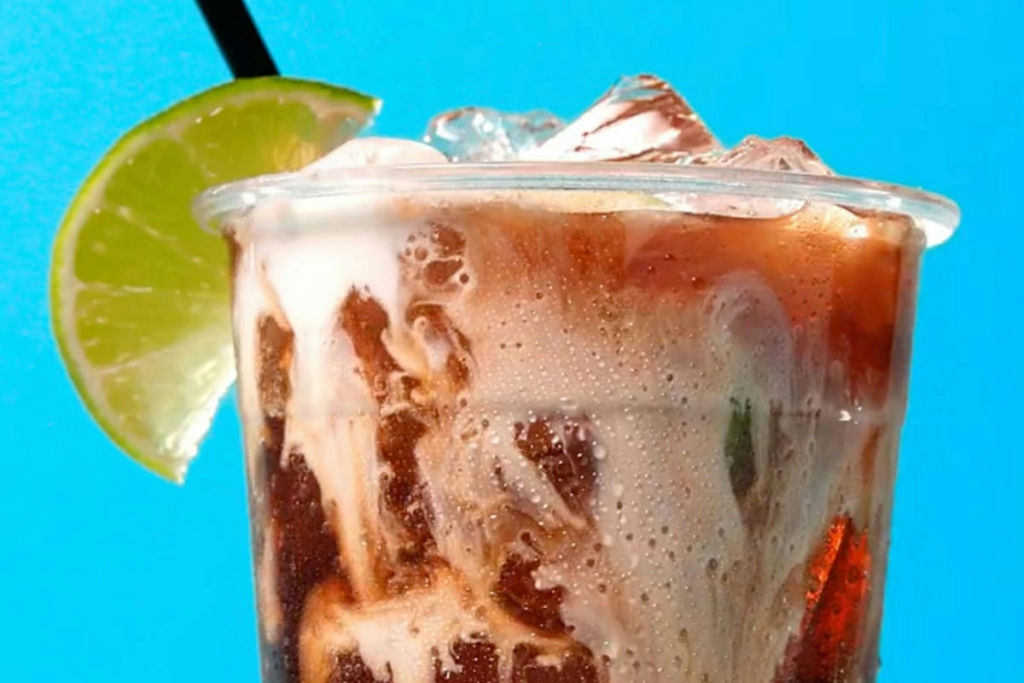
That does not mean guests are giving up flavor. Rather, it creates an opening for operators to build premium, customizable beverages around zero-sugar options, including flavored iced coffees, cold brew, and dirty soda-style drinks.
“Operators do not have to choose between indulgence and wellness,” Rhetts says. “Products like zero-sugar syrups and creamers allow guests to enjoy flavor-forward beverages while meeting growing consumer preferences around sugar reduction.”
Splenda Zero-Sugar Syrups and Creamers can help operators build those drinks on familiar platforms, including existing fountain beverages and coffee offerings. Datassential projects dirty sodas will grow 249 percent on menus by 2030, making the format a potentially compelling way to create relevant, customizable beverage limited-time offers.
Operational Efficiency
Innovation Cannot Slow the Line
The opportunity can disappear quickly if a new beverage requires a new piece of equipment, lengthy training, or a workflow that slows drive thru service. For high-volume brands, the best beverage ideas need to be as operationally sound as they are consumer relevant.
“One of the biggest misconceptions around beverage innovation is that it requires new equipment, complex preparation processes, or significant capital investment,” Rhetts says.
Heartland Food Products Group is positioning its portfolio around products that fit into existing operations. With a dirty soda program, for example, staff can add a measured amount of Splenda Zero-Sugar flavored syrup or creamer to a fountain drink. The result is a differentiated beverage without fundamentally changing the service model.
“Because these offerings are designed around existing workflows, operators can introduce innovation without creating additional pressure on labor, service times, or frontline teams,”
Rhetts says.
Make Cold Brew Easier to Execute
Cold brew continues to gain attention as an accessible premium coffee opportunity, with Datassential projecting that cold brew will grow 33 percent by 2030.
Traditional cold brew preparation can require time, equipment, and added operational oversight. Java House 4:1 Cold Brew Concentrate offers a simpler model: staff add water and serve. The product is available in bottles, on-tap boxes, and peel-and-pour pods that do not require a cartridge brewer.
That flexibility can help operators test cold brew as a limited-time offer, add it to an existing coffee platform, or build it into a longer-term beverage strategy without taking on an extensive back-of-house process.
“Every additional piece of equipment, process step, or training requirement introduces friction,” Rhetts says. “By removing operational barriers, these solutions allow operators to participate in fast-growing beverage trends while protecting the guest experience and maintaining execution standards across multiple locations.”
Functional Beverages
Functional Beverages Can Open New Occasions
Beyond coffee and fountain drinks, energy, hydration, and collagen beverages can help operators appeal to consumers looking for a drink that does more than refresh.
According to Datassential, growth for collagen-infused beverages during the next four years is at 82 percent. Energy drinks, meanwhile, increased 12 percent in the past year and are projected to grow 33 percent on menus by 2030.
Liquid Science Collagen and Hydration pods offer an equipment-free approach to functional drinks: add water, then serve. Wrangler Energy is available in fountain, canned, and peel-and-pour formats, giving operators options to offer it as a standalone beverage or the base for a branded refresher.
The right category depends on the brand’s guests and daypart opportunity.
“Rather than chasing every trend simultaneously, operators should evaluate where they have the strongest consumer demand and the clearest operational fit,” Rhetts says. “The key is to start with concepts that align with existing traffic patterns and guest expectations, test them, and expand strategically based on performance data.”
Test Quickly, Then Scale What Works
But a beverage trend alone does not guarantee a successful program. Operators need an offer that is easy for teams to execute consistently, financially sound, and relevant to guests.
“The most successful beverage programs combine consumer relevance with operational simplicity and scalability,” Rhetts says.
Shelf-stable products, consistent portioning, and simple preparation can help brands run a controlled test, measure guest response, and refine execution before expanding. For Splenda Zero-Sugar Syrups and Creamers, that can mean differentiated beverages with potential for premium pricing, while portion control and easy inventory management support cost control.
“Scalability starts with operational simplicity,” Rhetts says. “Operators can pilot a program, gather insights, refine execution, and expand with confidence.”
Build the Next Beverage Reason to Visit
The next beverage growth opportunity lies in personalization, better-for-you choices, and fast execution. Guests want drinks that feel tailored to their tastes and lifestyles. Operators need programs that work at speed across every location.
Heartland Food Products Group helps quick-service brands turn that demand into practical beverage innovation through Splenda, Java House, Liquid Science, and other beverage solutions designed for straightforward implementation.
“The operators that will win in the future are the ones that can turn emerging beverage trends into repeatable, revenue-generating programs,” Rhetts says.
Explore Heartland Away From Home beverage solutions, download the product guide, or request free samples by visiting their website.
In this story
This story was originally published by Drew Filipski in QSR Magazine on September 2, 2026. Burnaze summarizes and links to the original reporting.
Read the full story at QSR MagazineLiked this? Get the week's franchise news, explained
- Sunday 8 AM ET weekly + a monthly deep dive
- Sections picked for the industries you follow
- Every claim linked to its source. Free.