TL;DR
Cava's same-store sales increased 9% in the second quarter, despite food-safety concerns affecting other salad-heavy concepts. The chain credits its fundamental value positioning and minimal menu price increases for its strong performance.
With cyclospora and salmonella tied to fresh produce, it has been a rough summer for salad-heavy concepts like Sweetgreen and the now-defunct Salad and Go — not to mention Taco Bell.
But the good folks at Cava don’t seem worried.
Sure, Cava felt it a bit when consumers moved away from fresh greens for a few weeks in July, which was the end of its second quarter. But the impact was short-lived, and CEO Brett Schulman said sales had largely rebounded by this week.
Sales and unit growth
In fact, Cava continued its segment-busting performance, with same-store sales up 9% in the second quarter, including a 5.3% increase in traffic. That showed momentum that slowed only slightly from the preceding first quarter, when same-store sales grew nearly 10% with traffic up 6.8%.
Once again, Schulman credited the chain’s fundamental value positioning. The chain has kept menu price increases to a minimum in recent years, undercutting inflation, unlike many of its peers. Menu prices on some items rose 1.4% in January, but Schulman said Cava expects to maintain “reasonable pricing” for the second half of the year.
Cava performed well across all cohorts, he said. But lower-income diners generated the highest same-store sales results, demonstrating “the whitespace opportunity that we have, and certainly the investments that we’re making, in minimizing our price increases is translating into greater accessibility for many across the country,” said CFO Tricia Tolivar.
Still, Cava is staying prudent on its outlook for the year. (The word “prudent” was used six times during the earnings call.)
The chain reiterated its guidance for the year, saying same-store sales are expected to increase between 4.5% to 6.5%, with 75 to 77 net new restaurant openings. Schulman said the guidance reflects a somewhat cautious outlook after the strong second quarter, given the “very fluid macroeconomic environment and political pressures,” including high gas prices.
Taco Bell was the only restaurant chain specifically linked for a time to the cyclospora outbreak, and the quick-service chain saw a more-than 30% decline in traffic in the days after headlines hit, though the trends later moderated.
Sweetgreen also suffered, saying the lettuce concerns tamped down some long-hoped-for momentum with the rollout of wraps. Salad and Go also blamed cyclospora as the last straw before that chain filed bankruptcy and closed all of its locations earlier this month (though that brand’s demise likely had other causes).
Food safety measures
Cava, meanwhile, emphasized that it does not serve iceberg lettuce, and does not use suppliers implicated in the cyclospora or later salmonella outbreak tied to jalapenos.
And, Schulman noted, there is plenty on the menu that does not involve salad, with pita and grain bowls an option.
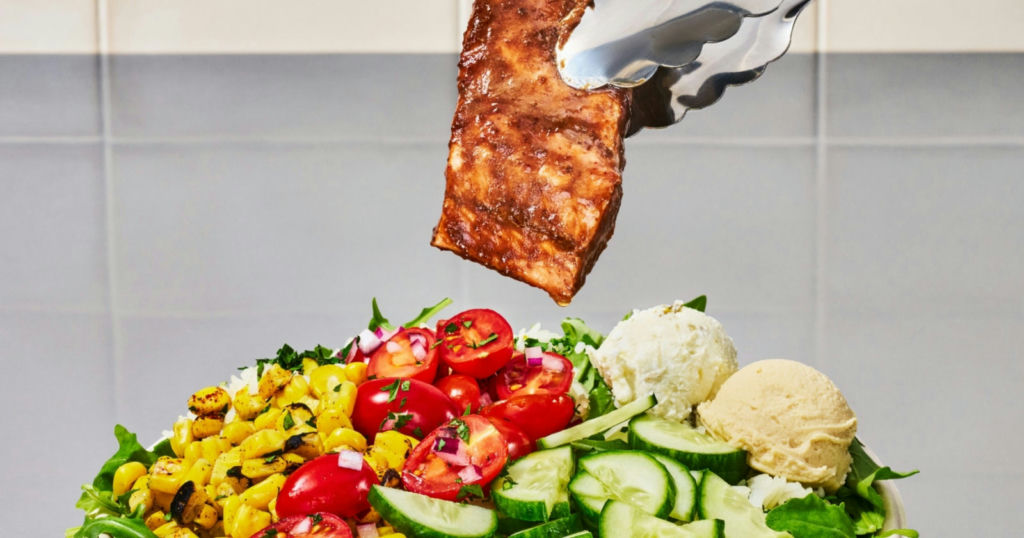
The Pomegranate Glazed Salmon, introduced in April, performed as expected, boosting the menu mix. It was the first seafood protein for the chain, and more could be coming. Cava completed its market test of Roasted Garlic Shrimp, and now the company is weighing whether to roll that out.
Later this year and into 2027, Cava is rolling out the use of pre-marinated chicken, a move designed to lighten the prep kitchen workload, Schulman said.
Cava is very focused on building for the long term, said Schulman.
Expansion plans
As the Mediterranean brand moves into markets like Mishawaka, Indiana, and Downington, Pennsylvania, Cava units are outperforming even their own expectations, with productivity over 100%, which Schulman contends reinforces the “proven portability of our concept and growing demand for our differentiated Mediterranean cuisine and welcoming hospitality.”
The chain has been investing in building its leadership bench for growth.
General managers are getting more training for new openings, for example. And the chain added a new Assistant General Manager role earlier this year, which has resulted in improved guest satisfaction scores and speed of service in stores with AGMs. Schulman said about 70% of units have AGMs now, and the chain is reviewing the remaining 30%, to see if the role should be expanded across the entire fleet.
The chain’s average unit volume ticked up to $3.1 million, from $2.9 million a year ago.
During the quarter, the chain added 17 net new restaurants for a total of 476 units across 29 states and the District of Columbia. Cava is expecting to open soon in Las Vegas for the first time, and next year in San Francisco, the chain’s first unit in the Bay Area.
Meanwhile, Wall Street was pleased with Cava’s report. The chain’s stock price was up more than 14% in midday trading on Wednesday, reaching $69.56, after steep declines in July.
Members help make our journalism possible. Become a Restaurant Business member today and unlock exclusive benefits, including unlimited access to all of our content. Sign up here.
Lisa Jennings is a veteran restaurant industry reporter and editor who covers the fast-casual sector, independent restaurants and emerging chain concepts.
In this story
This story was originally published in Restaurant Business on August 11, 2026. Burnaze summarizes and links to the original reporting.
Read the full story at Restaurant BusinessLiked this? Get the week's franchise news, explained
- Sunday 8 AM ET weekly + a monthly deep dive
- Sections picked for the industries you follow
- Every claim linked to its source. Free.