TL;DR
MOOYAH Burgers, Fries & Shakes is targeting former Habit Burger and BurgerIM locations as opportunities for second-generation locations, which can save time and money for franchise owners. The brand looks for spaces with existing restaurant infrastructure, such as ventilation hoods and grease traps, to make the conversion process more cost-effective.
19 has been tough for the restaurant industry. But it has also created opportunities. Expanding brands have targeted vacant restaurant spaces as a cost-effective way to open their new locations.
Second generation locations
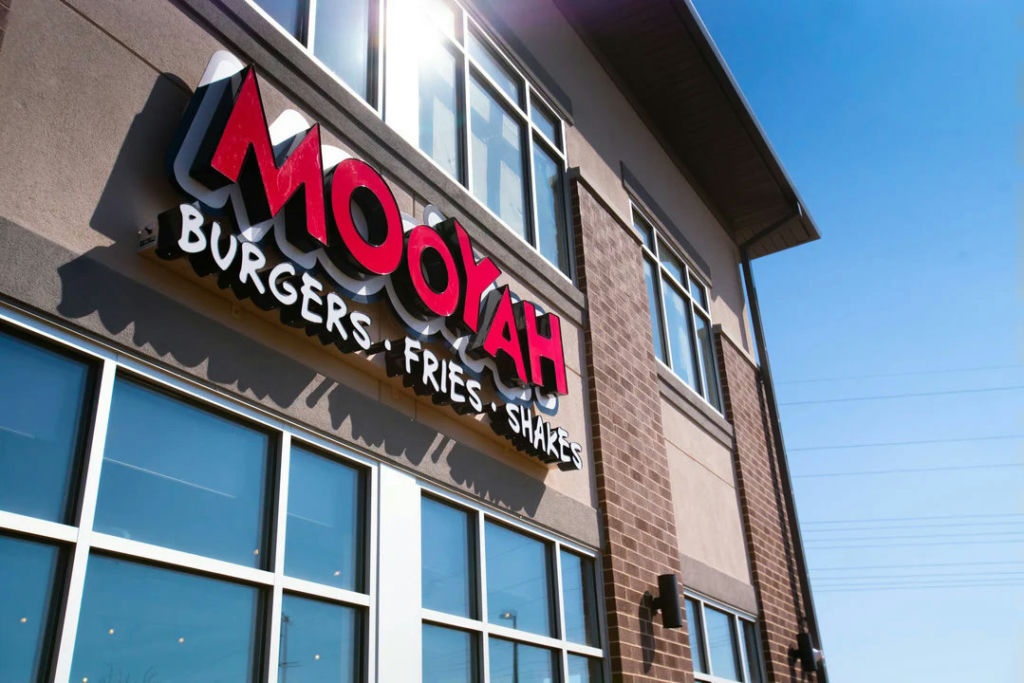
For instance, MOOYAH Burgers, Fries & Shakes, a ‘“better burger” fast-casual franchise with more than 85 locations nationwide, has targeted former Habit Burger and BurgerIM locations as opportunities for these “second-generation locations.”
The reason these locations are so attractive to fast-growing brands is simple. They give new Franchise Owners a head start on the build-out. Instead of walking into “a cold, dark shell,” as completely unfinished spaces are known in the commercial real estate business, MOOYAH gets some existing restaurant infrastructure to start with.
That saves them time, money and energy for the build-out, said Mike Sebazco, MOOYAH vice president of operations and development. He said the brand looks for spaces that have an existing ventilation hood, a walk-in cooler and a grease trap. These elements make spaces prime candidates for conversion.
“We’ve been able to go into some former Habit Burger and some former BurgerIM locations, which had that equipment in place,” he said. “It becomes a very cost-effective transition in terms of retrofitting them to MOOYAH restaurants.”
He points to the brand’s new Times Square location, a former BurgerIM, as an example of a recently completed second-generation shop.
Real estate strategy
“The brand’s real estate strategy is part of MOOYAH’s overall plan to create the most value for both Franchise Owners, Team Members and Guests,” said Tony Darden, MOOYAH president. “A smart, strategic approach to identifying the best real estate opportunities is key to achieving success for the brand. In particular, second-generation locations allow us to achieve multiple goals simultaneously.”
For instance, Sebazco said that because the locations were previously quick-serve restaurant brands, their existing layouts also work well for the MOOYAH’s Guest journeys, helping maintain speed and flow of Guests during the ordering or pickup process. “There are several journeys for MOOYAH Guests, whether it’s dining in, dining out, or third-party delivery. These layouts help us accommodate very easily with the existing layouts,” he said.
Second generation conversions mean MOOYAH can not only get new locations up and running more quickly, but they can also do it in a way that is less expensive for Franchise Owners.
“They’re typically much more cost-effective for the Franchise Partner. So it's a slightly lower barrier of entry. And if they're multi-unit Franchise Partners, this helps free up their capital, allowing them to perhaps open a location in a new market.”
The end result of these? “Everything just runs a little bit more quickly.”
Sebazco said MOOYAH is looking at adapting former Habit Burgers in California and Florida as well as another BurgerIM in California.
In this story
This story was originally published in 1851 Franchise on April 9, 2021. Burnaze summarizes and links to the original reporting.
Read the full story at 1851 FranchiseLiked this? Get the week's franchise news, explained
- Sunday 8 AM ET weekly + a monthly deep dive
- Sections picked for the industries you follow
- Every claim linked to its source. Free.