TL;DR
Grégoire's business model keeps labor costs low by using a central hub kitchen model, allowing the franchise to mitigate the impacts of employment woes. The model enables restaurants to operate with a small team of three to five people, reducing the need for professional cooks and keeping labor costs down.
America is facing a significant labor shortage problem. The U.S. Chamber of Commerce reports that there are 10 million open job positions but only 6 million unemployed workers who could fill them. The chamber also reports that over 3 million fewer workers are participating in the job market nowadays than two and a half years ago.
This volatility can cause complications for businesses, especially in the service industry. But for Grégoire Jacquet, professional chef and restaurateur, he has figured out how to shield his fine-fast casual franchise Grégoire from the impacts of employment woes.
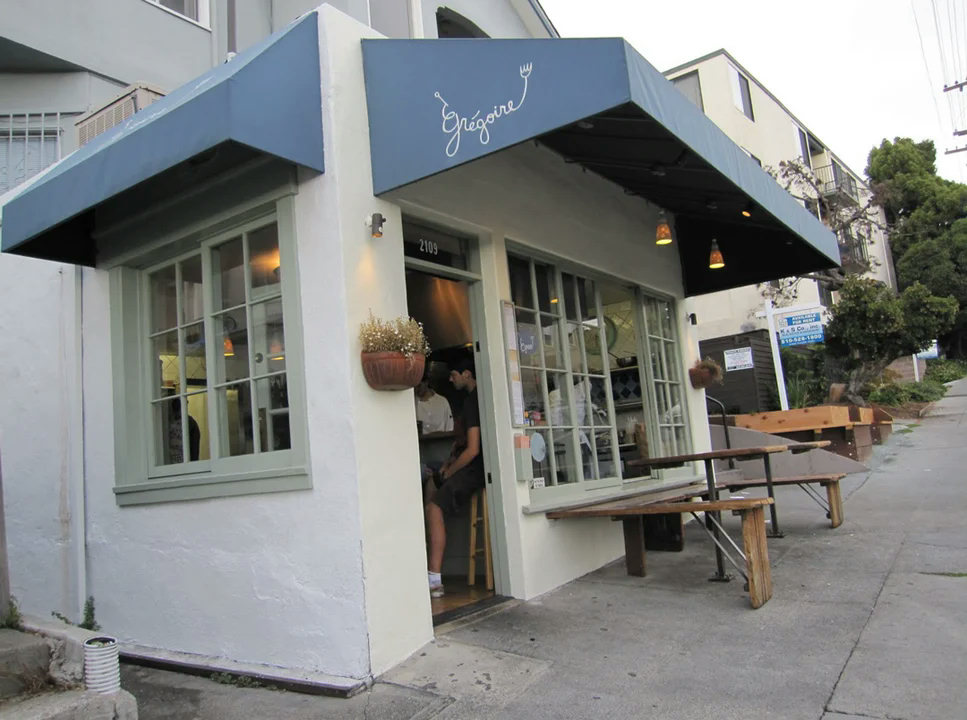
Firstly, the business model of a Grégoire keeps labor costs low. The franchise uses a central hub kitchen model where most ingredients are prepared and then delivered to restaurants for easy assembly and serving. This means that the retail space for a Grégoire is small in size, including the kitchen, and only needs between three and five people to run it.
“You have to think about the workflow in the kitchen, and the more spacious your kitchen is and the more equipment you have, the more steps are needed. Each movement costs you time,” said Jacquet. “That's why I built a very small, very compact kitchen where one or two cooks can do everything. It’s very manageable.”
And franchisees do not have the problem of trying to recruit professional cooks. Those working in the restaurants will just have to put the finishing touches on orders. This keeps owners' labor costs down, although he offers company health insurance and 401(k) plans.
And while Jacquet admits that finding new, qualified talent can be difficult if an employee leaves, it’s a rare occurrence. Possibly his biggest weapon about employment issues is Grégoire’s retention rate. The head chef has been there for over a decade, the main cook has been there for 15 years, and the dishwasher is nearing 10 years at the restaurant.
“If you know how to keep your employees happy, then you don't have a labor shortage. Because the employees are there. It's just a matter of keeping them around, respecting them, listening to them, understanding them and being there for them,” said Jacquet. “I think too many restaurant owners are stressed and forget to really think about their employees.”
In this story
This story was originally published in 1851 Franchise on August 23, 2022. Burnaze summarizes and links to the original reporting.
Read the full story at 1851 FranchiseLiked this? Get the week's franchise news, explained
- Sunday 8 AM ET weekly + a monthly deep dive
- Sections picked for the industries you follow
- Every claim linked to its source. Free.