TL;DR
Great Harvest Bread Company, a 150-unit bakery-cafe chain, is undergoing modernization efforts under CEO John Dikos and private equity firm NewSpring, including new technology and a refreshed restaurant experience. The company is preserving its scratch-baking identity and agricultural relationships with Montana farmers.
That means new technology, an expanded beverage program, and a refreshed restaurant experience. However, its scratch-baking identity is here to stay.
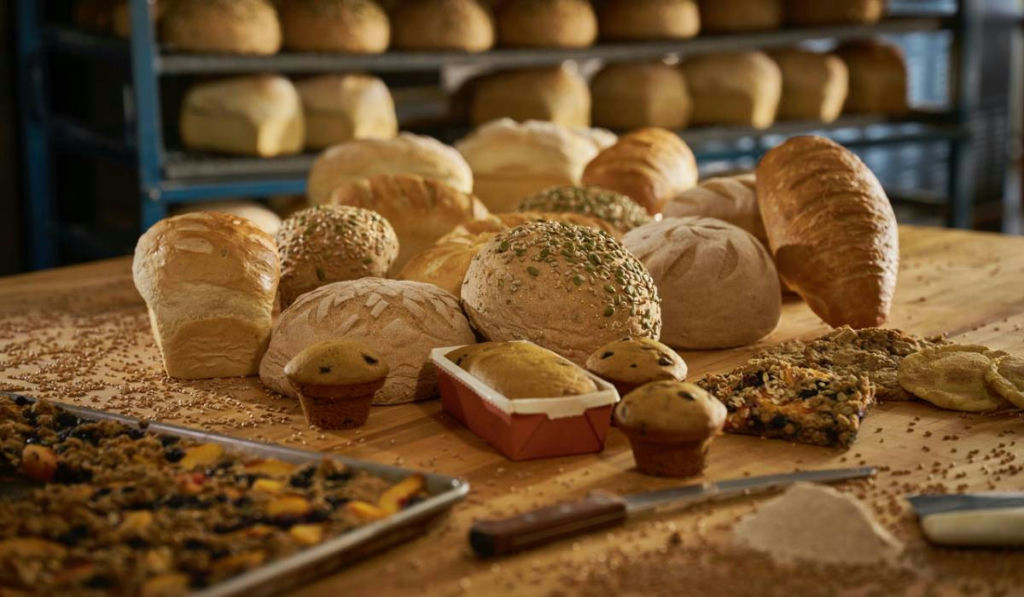
The roughly 150-unit bakery-cafe chain still makes bread from scratch every morning, using wheat sourced from Montana farmers, live yeast, and a production process that takes hours to complete. It’s a labor-intensive commitment that CEO John Dikos believes gives Great Harvest a competitive advantage in an industry where convenience and operational efficiency frequently dictate how restaurants operate.
Modernization efforts
Now, under Dikos and private equity firm NewSpring, Great Harvest is working to make its restaurants easier to operate, more profitable for franchisees, and more appealing to younger customers.
Dikos joined Great Harvest following its acquisition roughly two years ago. His team spent more than a year studying the business before making significant changes, identifying which elements needed to be protected and where investments could create opportunities.
Scratch baking is a major priority. Each bakery begins preparing bread around 4 a.m., using a traditional sponge-and-dough process that produces fresh loaves around 10 a.m. Moving production to a commissary could simplify operations, but Dikos believes that would eliminate one of Great Harvest’s greatest competitive advantages.
“I’m not aware of another brand at 150 locations that scratch bakes in each location with live yeast using a sponge and dough process,” he says.
The commitment extends to the company’s agricultural relationships. Great Harvest purchased approximately 2 million pounds of wheat from five Montana farmers during the 2025 crop year. Some growers have supplied the company for three decades through handshake agreements.
The wheat undergoes three rounds of testing before acceptance, including baking performance, nutritional specifications, and screening for approximately 200 chemical residues. Great Harvest plans to continue sourcing from Montana’s Golden Triangle agricultural region, maintaining a supply chain that Dikos considers essential to the brand’s credibility.
Preserving those standards doesn’t mean every traditional operating practice will continue.
Historically, Great Harvest restaurants milled their own wheat berries and produced their own flour before baking. That required expensive equipment, dedicated space, and additional building specifications. As the menu expanded from its original six breads and one cookie to include sandwiches, beverages, and other baked goods, the milling equipment became a constraint.
Great Harvest has since established a milling program through its wheat suppliers. Existing franchisees can continue milling in-house or buy the flour. New bakeries will operate without mills. Several operators have already reclaimed that space for food and beverage production.
Operational changes
The change is one of approximately 35 major initiatives undertaken this year, with projects focused on simplifying operations, improving profitability, and creating additional value for franchisees.
Consumer research has also influenced the company’s priorities. Great Harvest commissioned a study involving existing loyalty members and consumers unfamiliar with the brand. Respondents reacted favorably to its scratch-baking story and ingredient standards, but their answers to another question surprised Dikos.
“We asked them, ‘How do we get you to come in?’ And they didn’t say bread. They said really great coffee,” he says.
That finding prompted Great Harvest to invest in a more sophisticated beverage program, including new coffee and soft drink partnerships. The company has been working with coffee specialists to evaluate equipment, recipes, and production procedures, viewing beverages as an opportunity to introduce the brand to younger customers.
Once those customers visit, Great Harvest has another distinctive experience waiting.
Its traditional breadboard offers guests a complimentary slice of freshly baked bread, often accompanied by butter. The serving is substantial, and employees offer it without expecting a purchase.
The practice dates to founders Pete and Laura Wakeman, who considered generosity an essential part of the business. Dikos sees the breadboard as an opportunity to communicate Great Harvest’s story through personal interaction and the sensory experience of fresh bread.
The breadboard will become the first guest touchpoint in the company’s upcoming prototype, placing that longstanding tradition at the beginning of the customer journey.
Other elements of the prototype are receiving more substantial changes.
Great Harvest has enlisted the Moseley Group to rework its sandwich preparation and production line. The company previously lacked kitchen display systems and reliable ticket-time measurements, making it difficult to identify opportunities for faster service.
New bakeries will feature kitchen display technology and updated production layouts intended to reduce sandwich preparation times by minutes.
The prototype will occupy approximately 2,500 to 2,800 square feet, with seating for roughly 30 to 40 customers. Dikos wants to maintain a relatively compact footprint while giving guests visibility into the baking process, including employees working dough on large wooden kneading tables.
Additional details are expected in 2027 as Great Harvest completes its work on the restaurant’s individual operating components.
The physical changes accompany a new visual identity developed with creative agency Think Traffic. The updated branding draws on Great Harvest’s history, incorporating natural materials, photography, and visual elements that communicate the company’s agricultural roots.
Dikos says the creative process went through numerous iterations before the company settled on an identity that balanced its established character with a more contemporary presentation.
The brand recently unveiled the work at its franchise convention, the first gathering of the entire system in approximately four years. Franchisees responded with a standing ovation, according to Dikos, and updated packaging is scheduled to begin arriving in restaurants.
Technology investments
Technology investments are providing another foundation for the transformation.
Great Harvest historically operated with approximately 15 different POS systems across its franchise network. The company has selected Toast as its future platform and established a data warehouse capable of collecting transaction-level information regardless of which POS system a restaurant currently uses.
Franchisees can connect to the warehouse at no cost and interact with an AI tool. The system allows operators to ask questions in plain English concerning product mix, daypart performance, and hourly sales.
The information is also helping Great Harvest evaluate its extensive menu using transaction data that previously wasn’t available across the system.
Additionally, the company is introducing Opus as its first digital learning platform, providing more consistent training and operational resources for franchisees.
These investments are taking place ahead of a more aggressive franchise development effort. Although Great Harvest has received interest from prospective operators, Dikos has deliberately avoided pursuing expansion before completing the operational improvements.
Franchise development
The company expects to begin promoting franchise opportunities more actively in 2027, using its updated prototype and operating model to demonstrate the business’s potential.
Dikos believes the bakery-cafe category offers considerable room for expansion. With approximately 150 locations, Great Harvest occupies a relatively small position compared with the segment’s largest competitors, and he sees opportunities to add hundreds of restaurants without taking significant sales from existing bakeries.
Still, he wants prospective franchisees to see evidence that the company has addressed the challenges of operating a scratch bakery before committing to development.
“I think it’s a big mistake when people go too fast and replicate something that’s less than optimized in just the spirit of doing deals. We think that’s a mistake, so we’ve been intentional to work with franchisees as we’ve evolved and being very fair about that. But we’re going to come out much bigger next year with selling the future and bringing on a bunch of new franchise partners,” Dikos says.
In this story
This story was originally published by Ben Coley in QSR Magazine on October 26, 2026. Burnaze summarizes and links to the original reporting.
Read the full story at QSR MagazineLiked this? Get the week's franchise news, explained
- Sunday 8 AM ET weekly + a monthly deep dive
- Sections picked for the industries you follow
- Every claim linked to its source. Free.