TL;DR
Protein has become a key menu cue for quick-service and fast-casual chains, symbolizing health, value, and indulgence. Consumers are increasingly interested in high-protein products, with 66% of consumers interested in such products and 75% thinking about protein intake in their daily diet.
Protein has been part of restaurant menus for decades, but it’s never looked quite like this. What was once the domain of bodybuilders and niche diet plans has become one of the most visible and versatile menu cues across quick-service and fast-casual chains, showing up in everything from chicken bowls to cold brew. And unlike many food trends that rise and fall with consumer curiosity, protein is increasingly embedded in how diners think about value, health, and even indulgence.
Protein trend growth
That evolution has been driven by a growing skepticism toward traditional health guidance and a stronger reliance on personal judgment. According to Datassential research, roughly two-thirds of consumers now believe they alone can determine what foods are best for them, and a similar share say personal choice matters more than public health policy.
That shift has opened the door for protein to become a kind of shorthand—a simple, easy-to-understand signal that a product is a “good” choice.
“Protein is a really easy thing to latch onto,” Do says.
For operators, that simplicity is powerful. In an increasingly fragmented health landscape—where one consumer is cutting carbs, another is tracking macros, and a third is using GLP-1 medications—protein manages to appeal across audiences. It signals satiety for weight loss, muscle support for fitness, and perceived value for budget-conscious diners.
That last point is especially relevant in today’s environment. As menu prices climb, consumers are looking for justification in what they order. Protein, rightly or not, has become part of that equation.
“If you’re eating a meal that is high in protein, this is one thing that you know you’re getting more for your money,” Do says.
The result is a habit that has quickly gone mainstream. Datassential data shows 66 percent of consumers are interested in high-protein products, and 75 percent say they actively think about protein intake in their daily diet.
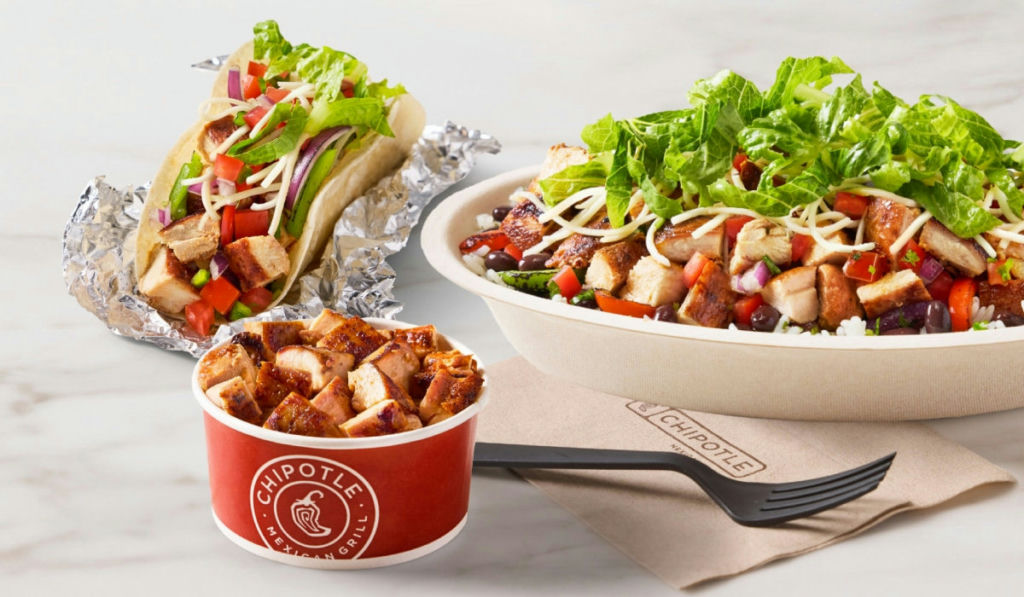
Restaurants have responded accordingly. At the menu level, protein is no longer confined to grilled chicken or steak add-ons. It’s being woven into formats that historically leaned more indulgent or carb-heavy. Chains like Sweetgreen and Chipotle have leaned into protein-forward bowls, and others have introduced double-protein options or highlighted specific grams on menus. Even legacy burger brands have begun emphasizing protein content as part of their value messaging.
Beverage market shift
But nowhere has the shift been more visible than in beverages.
Coffee chains have embraced protein as a way to layer functionality onto indulgence. Starbucks, Dutch Bros, and others have rolled out protein drinks that blur the line between treat and supplement. It’s a category that, according to Do, makes perfect sense for experimentation.
“In the past couple of years, we’ve seen the rise of non-alcoholic beverages in general,” he says, noting that consumers are cutting back on alcohol while seeking small, affordable indulgences throughout the day.
Protein slots neatly into that behavior. It adds a perceived benefit without requiring a major shift in ordering habits.
“It’s really easy or it’s a lot easier to experiment with those [type of drinks] than with animal-based protein or savory dishes,” Do says.
That flexibility has led to a wave of high-protein drinks that prioritize taste first, functionality second. In many cases, the presence of protein matters more than the amount.
“A lot of it is really heuristic. It’s very much cues driven and not science driven,” Do says.
That insight has important implications for operators. Consumers aren’t necessarily scrutinizing macros. They’re responding to signals. A “20g protein” label or a simple “high protein” callout can drive perception and purchase intent more effectively than detailed nutritional claims.
Fast casual and QSR have become the primary testing grounds, with C-stores also playing a growing role.
Full-service restaurants are still finding their footing. Some are adapting through menu reformulations—leaning into grilled proteins, lighter portions, and protein-rich salads—and others are watching the beverage space for what comes next. The expectation is that protein innovation will continue to trickle up into casual dining as chains look for ways to stay relevant with younger consumers.
Demographic influence
Those younger diners—namely Gen Z and millennials—are key to this momentum. They are more engaged with health and wellness, more experimental in their food choices, and more active on social media, where protein has become part of a bigger lifestyle conversation.
It’s important to note that the movement is not being driven solely by fitness enthusiasts. In fact, Do notes that highly health-focused consumers tend to be more discerning about where they get their protein.
The real growth is coming from everyday diners looking to make incremental improvements.
“If I was already going to purchase an indulgent coffee anyway, might as well do so with a bit of protein in it,” he says.
That mindset—small upgrades instead of wholesale changes—is what gives protein its staying power. Unlike plant-based meat, which required a behavioral shift, protein enhancement works within existing habits.
The question, then, is whether the rise of protein can sustain its current pace.
Do believes it can, even if the intensity cools.
“I think it’s definitely more sustainable than a lot of the other trends that we’ve noticed over the years,” he says.
Part of that durability comes from macro forces shaping consumer behavior, including ongoing concerns around food systems, health transparency, and economic uncertainty. Protein offers a low-barrier way for consumers to feel in control.
Even if the spotlight shifts to other nutrients, such as fiber, functional ingredients, or gut health, the underlying dynamic is likely to remain.
“I think what is going to stay is the underlying consumer understanding that health can be indulgent and that there can be a crossover and that things that are healthy does not have to taste bad,” Do says. “So long as that understanding remains to be popular among consumers, operators and chains are going to find ways of satisfying that.”
For operators, that means protein is less a standalone swing and more a gateway to a new kind of menu development—one that balances flavor, function, and flexibility.
Execution, however, will be crucial. Datassential’s research shows that protein items perform best when they are built around craveable concepts, not positioned as health-first products. In other words, the starting point should be flavor, with protein layered in.
Looking ahead, there are still whitespaces to explore. Breakfast, kids’ menus, and even dessert offer opportunities to extend protein into new dayparts and occasions. These areas may not see the explosive growth of beverages, but they provide differentiation in a crowded market.
"*" indicates required fields
In this story
This story was originally published by Ben Coley in QSR Magazine on May 12, 2026. Burnaze summarizes and links to the original reporting.
Read the full story at QSR MagazineLiked this? Get the week's franchise news, explained
- Sunday 8 AM ET weekly + a monthly deep dive
- Sections picked for the industries you follow
- Every claim linked to its source. Free.