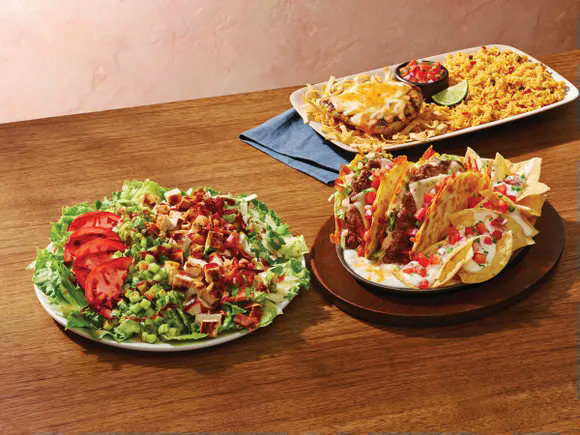
How a popular burger drove Applebee’s to double down on cheese
The O-M-Cheese Burger hit on consumer preferences for cheese, affordability and a fun experience, leading to an expanded lineup.
· Restaurant Dive· September 17, 2026
Restaurant Dive is a publication in Burnaze's franchise knowledge graph, mentioned since 2019. 376 stories link here, each summarized from the original publisher. - Starbucks expects 4% same‑store sales growth in 2027 after Q4 comps rose 7.7%, driven by a 5.2% ticket‑size increase and 2.4% transaction growth [[e212f6]] - Dine Brands adopted a stockholder rights plan to protect against a potential activist‑led takeover [[5412a6]] - Wingstop posted a 5.4% same‑store sales decline in Q3 despite shifting its marketing strategy and deploying new AI technology [[d8fb22]] - Wendy’s is evaluating an unsolicited $1.4 billion offer from an investor group to take the company private [[f9dc5a]] - Chili’s sales have risen 52% over three years, driven by strong marketing and menu innovation [[25944d]] - The Cheesecake Factory recorded a 15.2% same‑store sales increase, credited to managerial retention, social‑media marketing, and menu innovation [[a5260e]]
The O-M-Cheese Burger hit on consumer preferences for cheese, affordability and a fun experience, leading to an expanded lineup.
The chain’s updated look will also include a redesigned web and app experience that will offer more seamless browsing, customizations and access to loyalty rewards.
Multi-unit restaurant franchisee bankruptcies surge in 2026 due to high labor and food costs
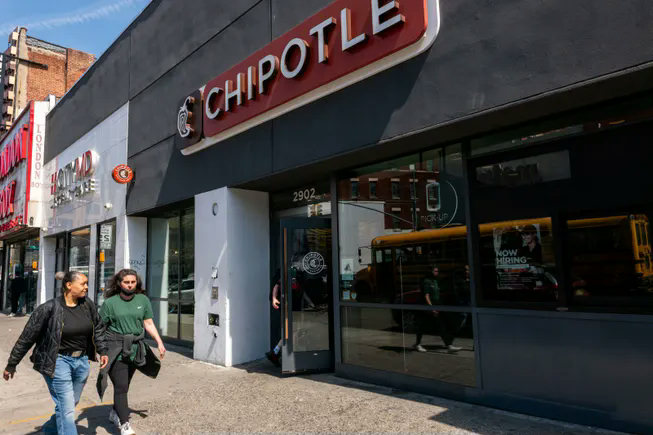
These high-performing employees are working toward a general manager role and will be a key part of staffing newly opened restaurants.
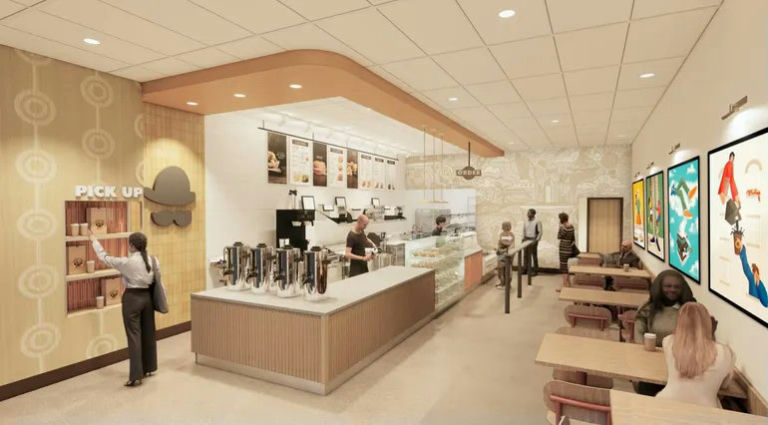
The breakfast chain hired several executives to lead development, people and finance as it works to open 300 stores in three years.
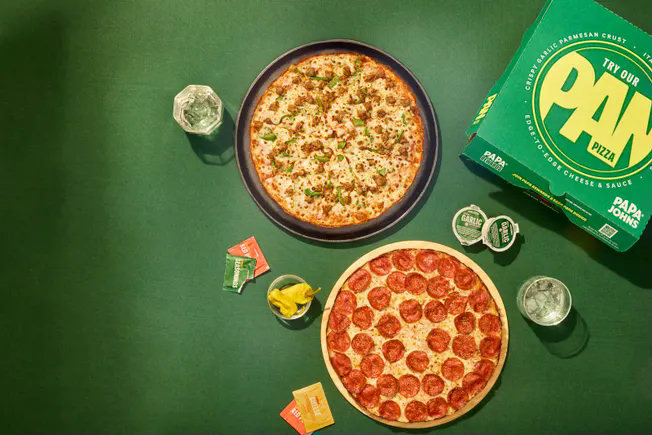
Papa Johns invests in new technology to improve operations and sales
Domino’s said it was “actively working to transition these stores to new ownership,” and that the closures did not reflect the brand’s performance.

DoorDash will continue to expand Grubhub’s former campus dining operations, and Wonder will use money from the deal and an investment to sustain its growth.
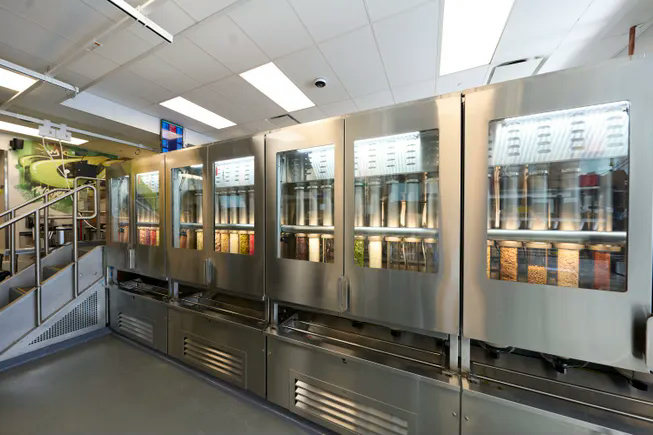
The food hall company will use the tech it acquired from Sweetgreen for $186 million to offer lower prices, extended hours and expand into new markets.
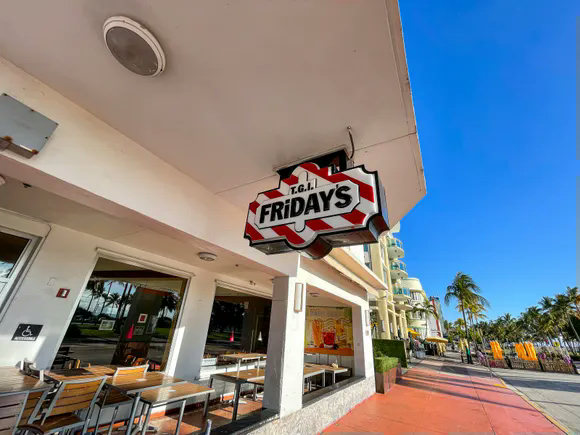
TGI Fridays launches 3 For All menu starting at $11.99
Franchising industry faces local marketing execution issues despite $920 billion projected output in 2026
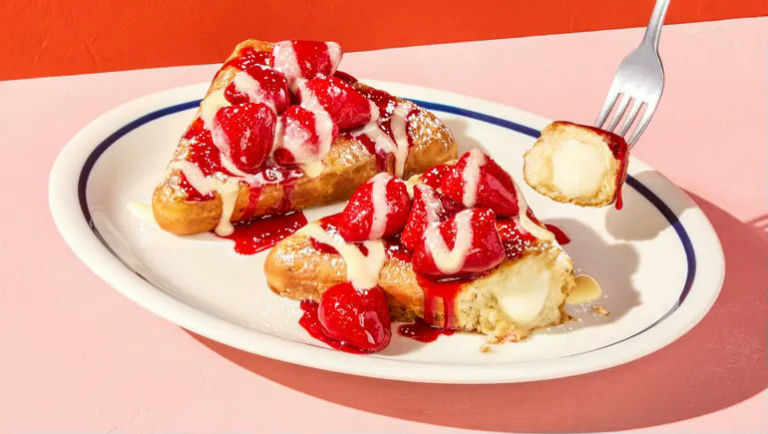
IHOP is bringing back its Stuffed French Toast starting Monday as the chain looks to leverage consumer clamor and brand nostalgia to improve its sales, according to Lawrence Kim, the chain's president.
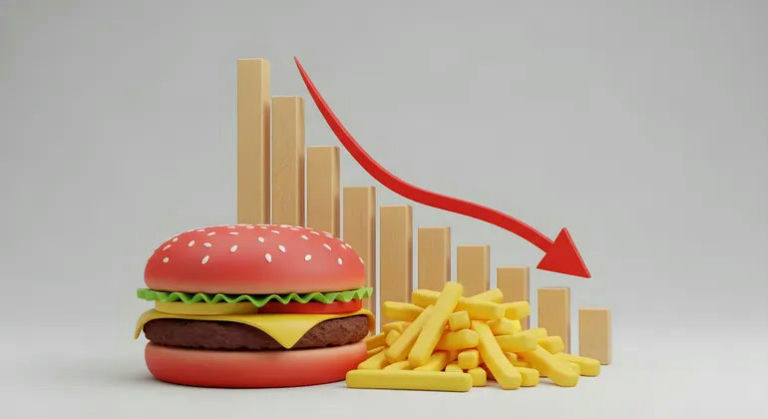
Restaurant sales down, but transaction data reveals varying customer trends

Lucy Brady joins the beverage brand as its parent company reshuffles other positions in its C-suite.
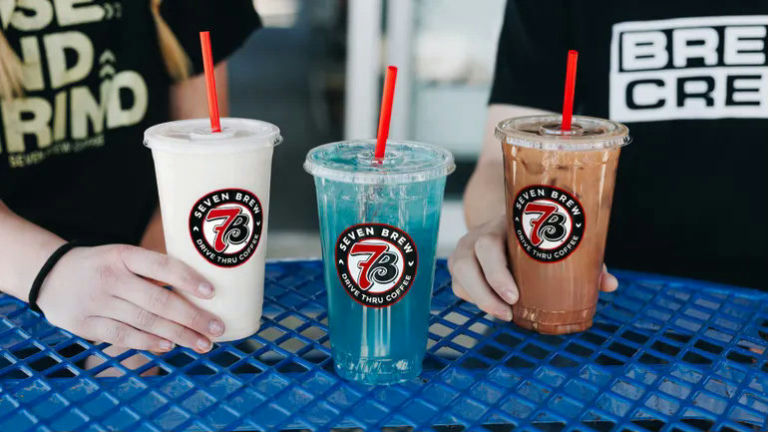
Newly appointed CMO Nicole Miller oversees marketing for the rapidly expanding drive-thru beverage chain as it nears the 1,000-unit milestone.
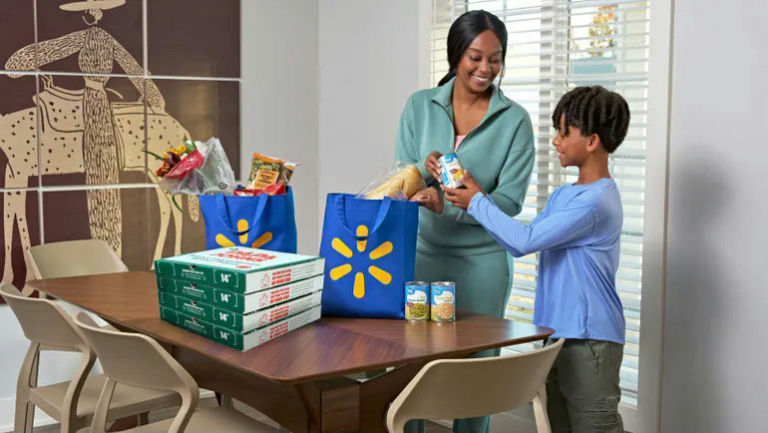
Using Walmart Express Delivery, customers can order fresh pizza on its own or as part of their grocery haul this fall.
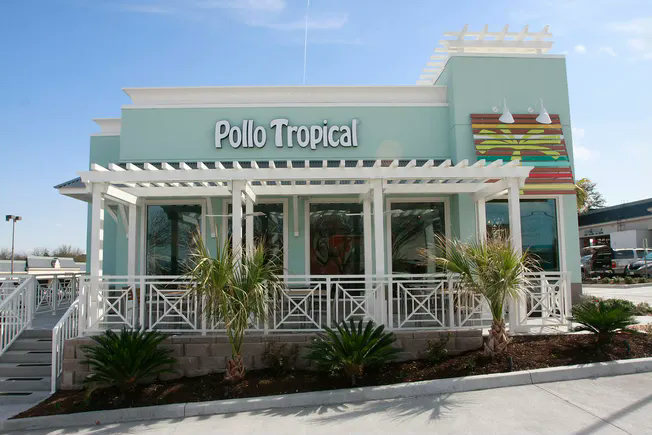
Authentic Restaurant Brands said the funding from Trimontium would bring new resources to “hometown hero” brands.
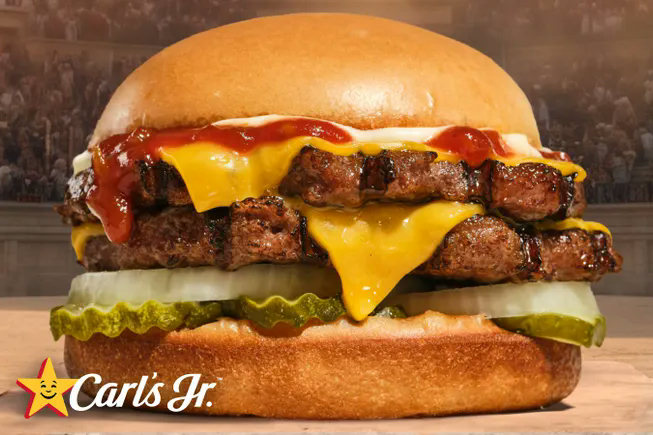
The burger chain is implementing a systemwide cooked-to-order standard to improve food quality and temperature, moving away from traditional holding systems.
The 55-year-old casual dining chain has reportedly shuttered its remaining 49 company-owned stores as parent company Cannae Holdings shifts focus away from its restaurant group.
Following its first earnings report as a public company, the sandwich chain highlights strong same-store sales growth and a robust pipeline of 83 new restaurant openings.
The sandwich chain marks its Georgia entry with a new corporate location in Chamblee as part of a larger regional development plan.
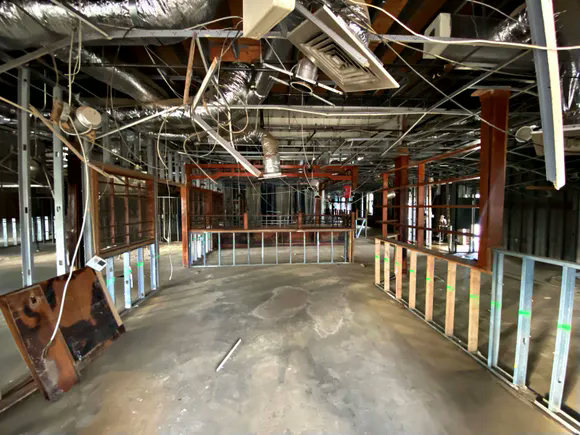
Second-generation restaurant spaces may not always be the best option
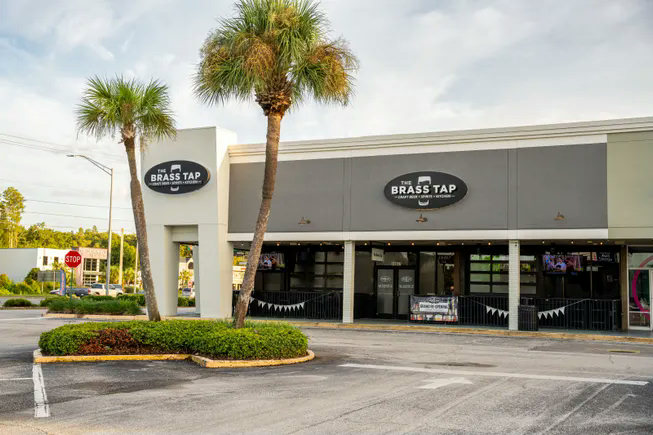
The craft beer franchise allows operators to incorporate local design elements and historic architecture while maintaining core brand standards across its national footprint.
Industry data suggests that while price hikes are sustaining revenue, quick-service brands must evolve loyalty programs to address declining customer transaction frequency and rising value expectations.