TL;DR
QSR Magazine's 2020 Drive-Thru Study reports on customer satisfaction, technologies, and device usage during the pandemic, with Chick-fil-A ranking No. 1 in customer satisfaction. The study explores consumer sentiment toward off-premises experiences, including drive-thru, curbside pickup, and delivery.
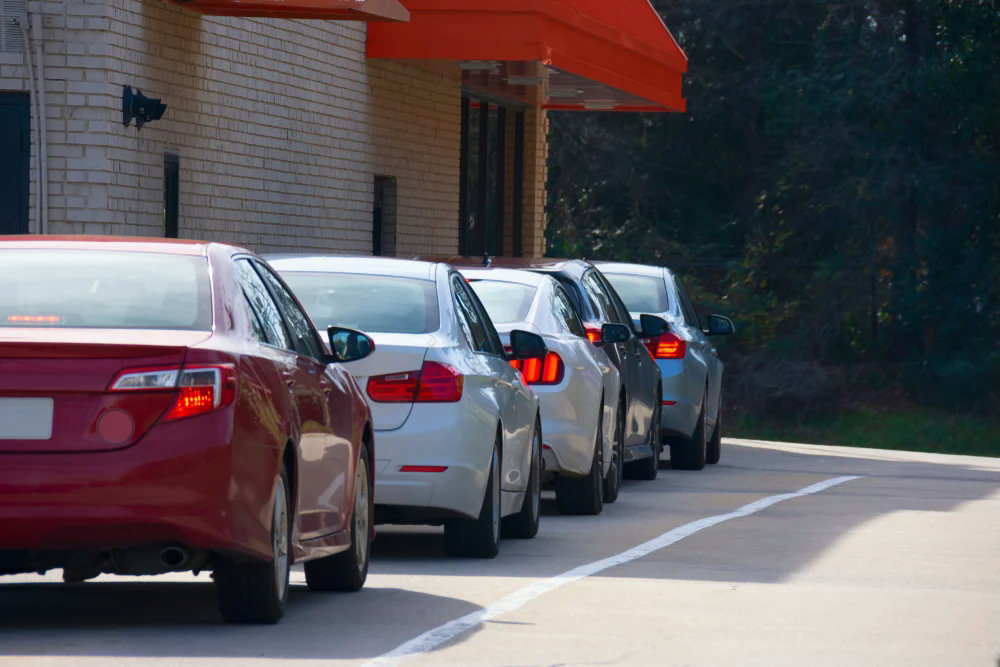
QSR Magazine has released its annual Drive-Thru Study, reporting on the quick-service restaurant chains that show the best performance in speed of service, order accuracy and other metrics critical to drive-thru success. In light of this year’s COVID-inspired push to prioritize off-premise services throughout the industry, QSR decided to take the report a step further this year, partnering with Darren Tristano and his firm FoodserviceResults to explore consumer sentiment toward not just drive-thru but an array of off-premises experiences.
The report offers a treasure trove of data exploring everything from which daypart guests prefer to order via drive-thru to which technologies they’d like to see implemented in the outdoor lane and how they’re using devices to engage with brands during the pandemic.
So, who won? Well, perhaps unsurprisingly, Chick-fil-A once again ranked No. 1, ranking highest in customer satisfaction in every category except Menu Item Availability. Arby’s landed the No. 2 spot, followed by Culver’s, Panera Bread, Dunkin’****, Wendy’s, Starbucks, Hardees, Dairy Queen, Burger King, Checkers & Rally’s, Taco Bell, Jack in the Box, Bojangles, McDonald’s, KFC and Popeyes.
Covid impact
With COVID-19 forcing nearly every operator in the country to prioritize off-premises business, the U.S. restaurant industry went through a crash course in serving food outside the four walls in just a few months. From drive-thru to delivery and curbside to carry-out**, the report shows that the means with which consumers experience a restaurant’s menu are more numerous and varied than ever before, and franchisors would be wise to take note.**
With the coronavirus pandemic pushing the vast majority of quick-service business through the drive-thru and forcing new operators to take a look at how they might accomplish such an operation, experts say it’s important to reevaluate the drive-thru and find new tactics and efficiencies.
“Franchisors will need to invest in off-premise programs that offset declines in dine-in occasions,” Tristano told 1851 Franchise. “New restaurants should be designed with the drive-thru in mind for traditional impulse ordering and/or call ahead pick-up efficiency. Full-service operators will need to consider drive-thru and will compete more aggressively with quick-service **restaurants.
Full-service restaurants will begin to develop better curbside features, and in some cases, drive-thru pickup lanes that accommodate parents with small children, customers with disabilities and other patrons who feel safer not leaving their vehicles.”
Drive thru future
The future of the drive-thru is likely something similar to what Shake Shack is accomplishing with its new drive-thru-only prototype, where there are multiple lanes, multiple pickup points and everything is powered by technology. While there’s not going to be a one-size-fits-all approach to the drive-thru moving forward, the smartest option may be a hybrid model that includes drive-thru, curbside and delivery, with the mobile device being central to how guests interact with the restaurant.
The last few years have seen a range of technological enhancements that have broadened the outdoor drive-thru lane’s capabilities, including compatibility with mobile devices, digital menu boards, voice-ordering artificial intelligence and more.
“Franchisors should update their systems to include touchless payment, digital menu boards and curbside pickup for call-ahead orders that don’t clog the drive-thru and slow down peak sales periods,” said Tristano.
Shake Shack isn’t the only QSR concept that is making major innovations in restaurant design. In September, Burger King announced a new design prototype that boasts dedicated mobile order and curbside pickup areas, drive-in, and walk-up order sections, an enhanced drive-thru experience, exterior dining spaces and sustainable elements.
Taco Bell announced its Go Mobile store prototype in August as a way to create a seamless and digitally integrated off-premises experience**. At just 1,325 square feet (compared with the brand’s traditional 2,500-square-foot model), the Go Mobile store features a dual drive-thru with one lane dedicated to mobile orders, contactless curbside pickup spots, and “bellhops,” or employees armed with tablets who can facilitate the guest’s ordering experience. The new model will also feature smart-kitchen technology integrated with the brand’s app and to synchronize the timing of guest arrival and food prep.
Taco Bell's new concept also builds on** Taco Bell Rewards**, the updated loyalty program it launched on its mobile app nationwide last month, which allows diners to customize their orders.
Off premises growth
Delivery, curbside pickup and other off-premises service methods were already becoming popular drive-thru alternatives, but COVID-19 has dramatically propelled the momentum of those services. As a result, the report notes that the future of drive-thru may look a bit different than we think. Specifically, the traditional drive-thru window may be a thing of the past.
The entirety of the new restaurant experience will likely be powered by mobile or remote ordering, and while online ordering streamlines the drive-thru process, many brands are taking this one step further through ghost kitchens or pick-up only cubbies. To prepare, operators could start talking with landlords about securing four or five parking spots for curbside pickup.
“The future of drive-thru will likely focus 100% on off-premise sales, with no walk-up ordering window, inside counter orders or seating,” said Tristano. “These pickup-only restaurants will focus on throughput, which will create lower overhead and labor costs.”
In this story
This story was originally published in 1851 Franchise on October 2, 2020. Burnaze summarizes and links to the original reporting.
Read the full story at 1851 FranchiseLiked this? Get the week's franchise news, explained
- Sunday 8 AM ET weekly + a monthly deep dive
- Sections picked for the industries you follow
- Every claim linked to its source. Free.