TL;DR
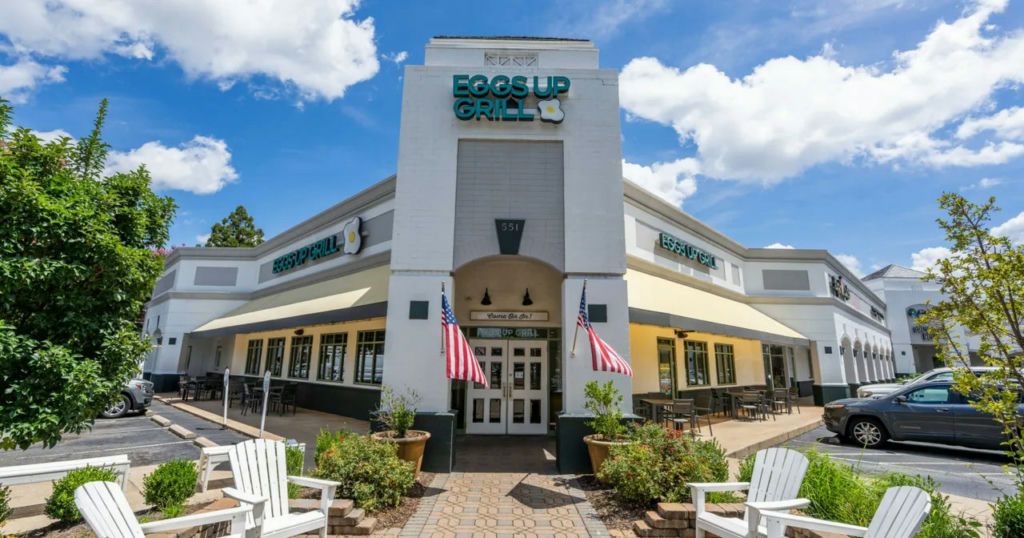
Technomic data shows a significant performance divide between traditional three-meal family dining brands and high-growth breakfast-and-lunch-only concepts, with the latter seeing average sales growth of 11.6% in 2025. Daytime-dining chains like First Watch and Eggs Up Grill are generating more sales despite limited operating hours, with Eggs Up Grill sales surging by 32.3% in 2025.
Want to know whether a family-dining chain is doing well these days? Check if it serves dinner.
Among family-dining chains on Technomic’s Top 500 ranking that offer breakfast, lunch and dinner, average sales declined by 0.3% in 2025. Those that serve only breakfast and lunch, meanwhile, saw average sales growth of 11.6% in 2025.
Family dining defined
For reference, Technomic defines family dining (also known as “midscale”) as sit-down concepts with accessible prices, sitting somewhere above quick-service and fast casual but below casual dining. It includes brands like IHOP, Cracker Barrel, Denny's, Waffle House and First Watch.
Overall sales in this segment grew by just 0.3% in 2025, per Technomic data. And a clear divide has emerged between the old-guard concepts that cover all three dayparts, like IHOP and Cracker Barrel, and a burgeoning crop of so-called daytime-dining chains that open early and close by midafternoon.
Daytime dining growth
Almost all of the fastest-growing chains in the segment are in that latter group. Led by 648-unit First Watch, other players include Another Broken Egg, Snooze, Eggs Up Grill and Denny’s-owned Keke’s Breakfast Cafe.
These brands are generating more sales despite their limited operating hours. Average unit volumes at Top 500 breakfast-and-lunch chains were $2.09 million in 2025, compared to $2.07 million for brands that serve breakfast, lunch and dinner.
The fastest-growing of these daytime-dining players last year was 105-unit Eggs Up Grill, where sales surged by 32.3% on unit growth of 20.7% in 2025.
The Spartanburg, South Carolina-based franchise focuses on down-the-middle breakfast staples like omelets, Benedicts and pancakes in a friendly environment. It’s nothing fancy, and customers seem to love it: Eggs Up has recorded 21 straight quarters of same-store sales growth.
CEO Ricky Richardson said the brand’s approachability, convenience and affordability are resonating with customers. Diners can be in and out of Eggs Up in under 40 minutes and will spend just $12 to $14 on average. Some are replacing fast-food breakfasts with what they view as a better all-around experience.
“When you have a positive, upbeat, energetic ambiance like that, a team that really believes in the brand, and then the breadth of consumer appeal, all those things are working well for us,” Richardson said.
For other daytime-dining concepts, there’s a focus on culinary invention. At First Watch, for instance, customers will find global takes on breakfast classics, such as a chimichurri steak and eggs hash, and unique flavors, like sweet-spicy Million Dollar Bacon. Everything is made fresh in the restaurant, including the juice. First Watch sales rose 16.1% last year.
Alcohol is also a differentiator for daytime dining. Many concepts play to the boozy brunch crowd, including Keke’s, First Watch, Toasted Yolk and Ruby Slipper, making them destinations for large groups (and giving check averages a boost).
Target market and operations
Some daytime-dining brands do cater to a slightly higher-income consumer, which may be helping to insulate them from economic headwinds that have hurt other brands in the segment.
“We've actually been very pleased with how our consumer has interacted with us despite what's going on in the macro,” First Watch CEO Chris Tomasso said during an earnings call this month.
But daytime dining’s biggest advantage over more traditional family-dining chains may be an operational one. Narrower menus allow staff to focus on doing a few things very well, and the limited hours mean they get their afternoons free to pick up kids, pursue a hobby or even work a second job.
And the restaurants’ strong unit economics mean they can offer competitive wages. At Eggs Up, that equation has helped the chain hire better people.
“The lifestyle element of working at Eggs Up is really appealing,” Richardson said.
The year was not all bad for breakfast-lunch-and-dinner concepts. Twenty-eight unit Elmer’s Restaurants grew sales by 23.4% as it added four locations to its footprint in the Pacific Northwest. Out East, 68-unit Metro Diner grew by 9.7% and opened six new stores.
But success stories like those were outweighed by significant struggles at chains like Shoney’s, where sales declined 21.1%, and Big Boy, down 9.3%.
And among the very largest such brands—IHOP, Cracker Barrel, Denny’s and Waffle House—only Waffle House achieved positive sales, with 3% growth.
In this story
This story was originally published by Joe Guszkowski in Nation's Restaurant News on May 14, 2026. Burnaze summarizes and links to the original reporting.
Read the full story at Nation's Restaurant NewsLiked this? Get the week's franchise news, explained
- Sunday 8 AM ET weekly + a monthly deep dive
- Sections picked for the industries you follow
- Every claim linked to its source. Free.