TL;DR
Art Coley, CEO of CGI Franchise, discusses the updated Franchise Recruitment Manual, which provides guidance on recruitment methods and best practices for franchise companies. The manual has been revised to include new operational practices and account for changes in the industry, such as the rise of AI and shifts in psychographics.
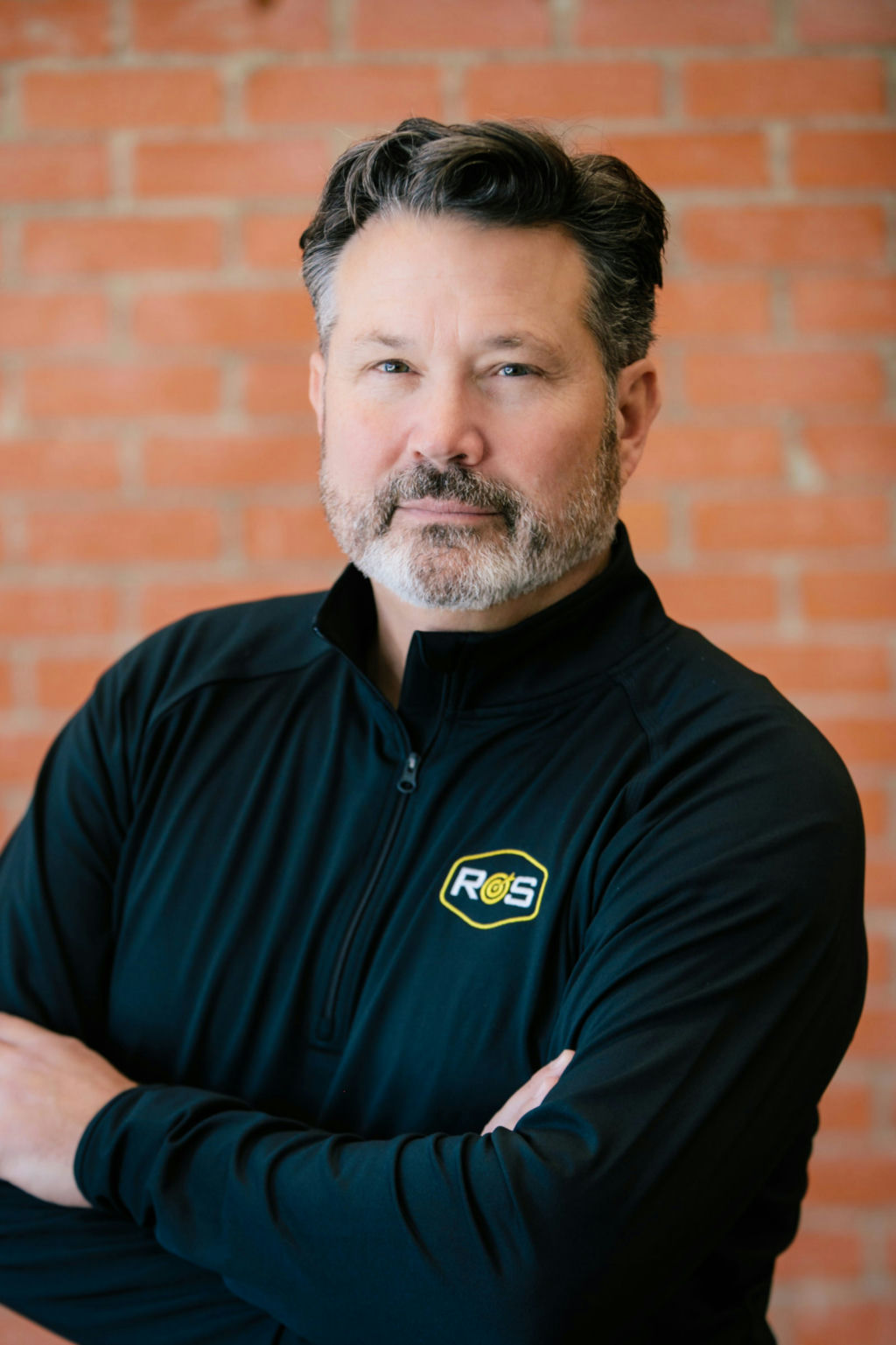
Art Coley’s career trajectory changed forever in 1993 when, as a recent college graduate, he met International Franchise Association Hall of Famer Bud Hadfield. Hadfield opened Art’s eyes up to the possibilities the franchising space had to offer and became his main professional mentor. Art learned the ropes working for Bud’s ICED Print Brands before striking out on his own in 2007 as Chief Development Officer at Alphagraphics, where he eventually rose to CEO.
When Alphagraphics was acquired and merged with Western Capital Resources in 2014, Art moved back home to Temple, Texas to start something of his own. That’s where his boutique development firm, CGI Franchise, was born in 2015. Since then, CGI Franchise has leveraged a structured, data-driven framework informed by Art’s decades of experience in the franchising space called its Recruitment Operating System (ROS) to help franchise brands grow by connecting with the best possible candidates.
Franchise recruitment manual
Earlier this fall, CGI Franchise and ROS announced the rerelease of their Franchise Recruitment Manual, which provides actionable advice on the use of proven recruitment methods, new recruiting tools, and emerging best practices. This represents the first significant update to the manual since 2021 and was executed in collaboration with FranMan.
Art says, “The fundamentals of great franchise recruitment haven’t changed, and we don’t want them to. What has changed are the tools, data, and technology available to recruiters. Our job is to bring those pieces together without making recruitment more complicated. We want to take an already powerful resource and make it even more relevant to how champion recruiters operate today.”
AC: Franchise companies come to us because they’re wanting help to improve their development results. The statistics are pretty scary. Every year, somewhere between three and six hundred new franchise companies publish an FDD and start franchising, and I have yet to talk to anybody ever starting a franchise company that says, “Hey, ten years down the road, we want to be at a whopping 20 units franchised.” The vision is always bigger than that, usually involving something like hundreds of locations.
But the sad truth is probably about one percent of brands will ever reach 100 units opened. And for those that get there, most of them don’t stay there. Many shrink back under a hundred.
What we do at ROS is we try to give franchise companies a better chance to beat those odds. This manual contains all the best practices for recruiting that we’ve discovered and used during our ten-plus years working with franchise companies to help them unlock faster growth and work with better quality franchisees.
Updated manual content
The updated manual has been revised to include all the things that we’ve learned since ’21, from new operational practices to making sense of the rise of AI.
AC: When that last document came out, COVID had just happened, and there really wasn’t research and development going into that document that accounted for all the ways that event and the technological, cultural, and demographic shifts that occurred during it changed business in general.
People are living in different places than they were five years ago. Remote work has skyrocketed. Those factors are changing the questions people are asking as they think about starting a franchise business.
Psychographics have also shifted significantly since 2021. Attitudes toward work and the way people value their time have changed. The psychographic profile of the small business owner is evolving. People increasingly value community engagement and seek opportunities that provide them with authentic chances to engage with people. The pandemic passed, but people’s drivers have changed.
As a franchise salesperson, you need to understand that and align the questions you’re asking and the answers that you’re ready to provide with the sensibilities of today’s potential candidate.
The other thing that’s changed is obviously the rise of AI. Now, the candidate can go to ChatGPT or whatever form of AI they use and ask a simple question like, “Has this brand been involved in any lawsuits with current or former franchisees?” or, “If my background is X, could franchising with brand Y be a good fit for me? What would be the pros and cons?”
In ten or fifteen minutes, a candidate can now know more about a franchise company than they would have learned spending three months in that franchise company’s discovery process just a few years ago. We’re seeing candidates that know more about the franchise system they’re considering joining than the person selling the franchise.
That’s really where the landscape has shifted. If you want to work with the best franchise candidates, you have to be prepared to answer to someone who’s asking rigorous questions and has access to tools that mean their perception of an opportunity is no longer exclusively influenced by a recruiter, broker, or salesperson.
Recruitment best practices
AC: We believe in being brilliantly boring in the basics. It’s still all about the basics. The basics have not changed from the time I came into the business in 1993, and it’s always been about understanding this as a human-to-human interaction.
People want to be heard. People want to be listened to. People want to feel that somebody’s helping them discover an industry that’s going to provide them a path to small business ownership.
Don’t get caught up in thinking that some fancy marketing program or revolutionary AI tool is going to replace all that. Those things can help us and enhance our efforts, but, at the end of the day, you’ve got to have your boots on the ground, be grounded, be paying attention; and if you want to be a great franchise development team, you’ve got to be brilliant in the basics and the fundamentals of development first. That’s really my message to our community, the brands we work with, and to the industry.
AC: It’s harder than it’s ever been, and a lot of that is because of truth and transparency.
When I started in franchising, development looked like this: You ran an ad in the Wall Street Journal with a phone number people would call to learn more about the opportunity, and the franchise company pretty much exclusively controlled the information the candidates got or didn’t get.
There wasn’t any googling of a franchise company. There wasn’t. So, what’s happened over 30-plus years is the pendulum has shifted over to where now the buyers, the prospects, and the candidates have tremendous power. They have the ability to weed out and screen franchise companies before the brand even gets a chance to say anything.
So, we’re seeing that the average signing of a franchise agreement is taking 200 to 400 leads. If you translate it, that the conversion from a lead to a signed franchise agreement is between 25 and 50 basis points. A lot of people on industry panels will say it’s about 1%, but that’s not the truth. We have plenty of data to show it’s not 1%.
Think about the investment at the top of the funnel if it’s taking you 400 leads to get one signing. So, by the time the conversation gets to the franchise salesperson, that prospective candidate’s time is already incredibly valuable. Nobody should be winging it on a discovery call in this environment. Your sales team needs to be ready to step into the box confidently and make every at bat with a potentially qualified candidate count.
Shut up and listen. Take notes on what they’re actually saying. If you’re talking more than 20% of the time, you are not following the best practice. Listen.
AC: We feel kind of feel evangelical about development. We show up to conferences, we do webinars, we offer massive amounts of free education and information because we believe the entire industry needs to do better, regardless of if they’re a client of ROS or not. And we believe that if somebody’s brave enough to fill out the information on your website to learn about your industry and the franchise company that you have, then we as an industry owe it to that person to have a quality experience with a franchise company.
That doesn’t mean our goal is making sure they become a franchisee. The goal should be have a meaningful dialogue and discovery with this individual to see if they’re a right fit for this industry and for small business ownership and even our brand. And, and if they’re not, they leave that experience Even if they weren’t, they said, “Man, you know, I’m, I’m not gonna move forward with franchise company X, but I learned something by working with them.”
They should, they shouldn’t feel like that they’re disappointed or that was time wasted. They should feel like that experience with that franchise company and that franchise salesperson was something that increased their knowledge level and understanding of what opportunities are available to them.
How a franchise salesperson shows up isn’t just a reflection of that person and that franchise company. How that franchise salesperson shows up is truly a reflection of the franchise industry. And we need our industry being reflected in a way that people say, “Wow, you know, I’m so glad I’m looking into franchising,” and not be turned away from it.
In this story
This story was originally published by David Gibb in Franchise Magazine USA on October 13, 2026. Burnaze summarizes and links to the original reporting.
Read the full story at Franchise Magazine USALiked this? Get the week's franchise news, explained
- Sunday 8 AM ET weekly + a monthly deep dive
- Sections picked for the industries you follow
- Every claim linked to its source. Free.