TL;DR
Chick-fil-A receives 70,000 franchise inquiries annually, accepting about 100 operators, with alternatives including Dunkin', Pollo Campero, Moe's, Checkers and Rally's, Layne's Chicken Fingers, and Arby's. These brands offer various investment options and requirements for prospective franchisees.
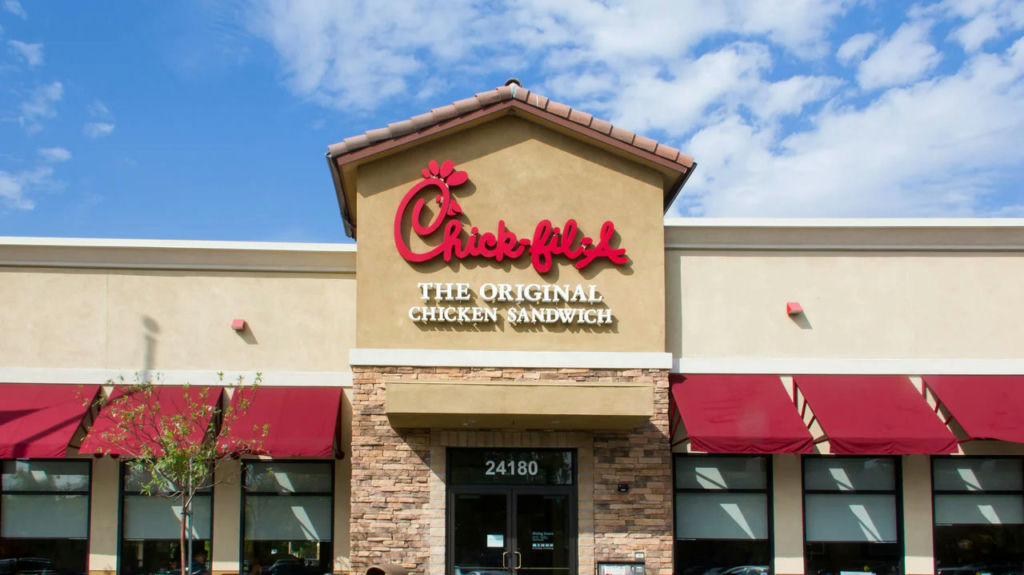
Chick-fil-A, the iconic chicken concept that “didn’t invent the chicken, just the chicken sandwich,” is on the top of many prospective franchisees’ wish lists. With an initial investment of just $10,000 and a promise to cover the majority of startup costs, including real estate, equipment and more, the Chick-fil-A buy-in is far more affordable than other fast food concepts.
As it goes, with high demand comes a pretty low supply. Chick-fil-A’s prospective operator acceptance rates are lower than 1%, meaning it’s at least five times easier to get into an Ivy League school than to be chosen as a Chick-fil-A operator.
In 2018, the company received nearly 70,000 inquiries from prospective operators and accepted about 100. For hopeful franchisees who aren’t sure they can beat out the other 99%, here are some Chick-fil-A alternatives that are a bit more approachable.
Ranked first on the 2022 Entrepreneur Top Food Franchises list, Dunkin’ is backed by Inspire Brands and provides continuing field operations, online, social media, regional advertising support and more.
Though the initial investment to open a Dunkin’ location can easily exceed $1 million, Franchise Business Review notes that the average Dunkin’ location does roughly $1 million in sales annually, yielding a profit of about $100,000 per unit once other operating costs are accounted for.
Dunkin’ boasts a similarly large brand recognition and a track record of long-term success.
With nuggets, sandwiches and salads, Pollo Campero is a great way to get into the chicken space with room for a wider variety of chicken dishes. Ranked 13th in the chicken category of Entrepreneur’s 2022 Top Food Franchises, the brand has been franchising for over two decades, is the largest Latin American chicken chain and is continuing to grow.
The total initial investment is between $887,250 and $2,126,500 and grants franchisees access to high-quality training and support experiences, a strong leadership team and all the other necessary resources to open doors.
According to the brand’s 2021 FDD, the average unit volume for Pollo Campero restaurants is $1.92 million.
Moe’s was ranked fifth for Mexican food on Entrepreneur’s 2022 Top Food Franchises list. Similar to Chick-fil-A, Moe’s does not permit absentee ownership or a part-time commitment; franchisees must be fully involved.
The initial investment is between $474,900 and $1,109,840, putting it roughly in line with other restaurant concepts. It is also backed by Focus Brands, the umbrella franchisor that covers Auntie Anne’s, Carvel, Cinnabon, Jamba, McAlister’s Deli and Schlotzsky’s.
Moe’s has similar involvement requirements for franchisees and a strong franchisor backing similar to what would be found at Chick-fil-A, but it is in a slightly different niche of the market.
Like the other alternatives, Checkers and Rally’s has been recognized by Entrepreneur. Most recently, it was ranked seventh in the hamburger category of the Entrepreneur Top Food Franchises list of 2022.
The initial investment to open a Checkers is $724,523–$2,009,400. While there is a relatively large applicant pool, the number is closer to 8,000 applicants annually as opposed to Chick-fil-A’s 50,000-plus.
The smaller applicant pool allows franchisees with a bit more capital to break into the food space with beef, chicken and other offerings with a well-recognized brand.
Layne’s Soon to be Famous™ Chicken Fingers is a fried chicken franchise sticking to the classics. Founded in College Station, Texas, Layne’s has a small-town, everyone-is-family company culture, much like Chick-fil-A.
Though the brand is relatively new to franchising, it has already signed deals for 51 units, kicking off its national expansion plans. It is bringing other big-box benefits like new, exciting flavors and high-tech rewards programs to its still-growing network of franchisees and guests.
The initial investment to open a Layne’s Chicken Fingers restaurant ranges from $656,000–$1,280,500, depending on the build-out approach taken by the franchisee.
Arby’s unlocks the market for various sandwiches, fries and shakes. Ranked 18th in the 2022 Entrepreneur Franchise 500 Ranking, recognized for its continued success, adaptation and contribution to the franchising industry as a whole.
Though the concept requires a full-time commitment, absentee ownership is allowed, meaning franchisors are not required to be in-store and involved in day-to-day operations. The total investment falls between $314,550 and $1,844,200, making it one of the more affordable options in the food space.
For prospective franchisees specifically interested in sandwiches and fries, Arby’s provides a bit more diversity with a slightly easier application process.
In this story
This story was originally published in 1851 Franchise on August 12, 2022. Burnaze summarizes and links to the original reporting.
Read the full story at 1851 FranchiseLiked this? Get the week's franchise news, explained
- Sunday 8 AM ET weekly + a monthly deep dive
- Sections picked for the industries you follow
- Every claim linked to its source. Free.