TL;DR
Restaurant parking lots have become a target for thieves due to the lack of monitoring, with thieves smashing car windows and stealing valuables. Implementing security measures such as visible signage, mobile surveillance, and security guards can help deter crime and protect guests' vehicles.
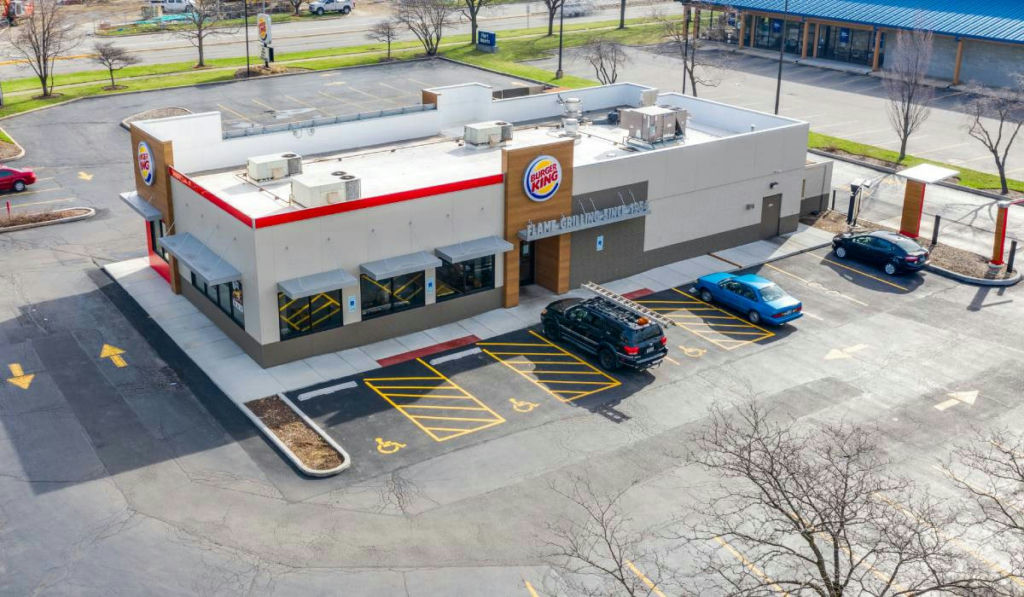
The restaurant experience is all about the food. Guests want to relax and enjoy a meal, not think about the car they left parked outside. This disconnect is exactly why restaurant parking lots have become an attractive target for thieves. With diners inside for an hour or more, distracted by meals and good company, vehicles sit unattended and largely out of sight.
Restaurant operators spend enormous amounts of time inside the building enhancing the guest experience and maximizing profits. What they’re neglecting to realize is that what happens on the outside of the building can have just as big an impact on whether a guest decides to return. Unfortunately, parking lots tend to fall off the priority list, and this physical security blind spot is presenting plenty of targets for thieves resulting in smash and grabs to quickly steal valuables left in plain sight, stolen parts like rims and valuable catalytic converters, and in the most extreme cases, theft of the entire vehicle.
Parking lot vulnerabilities
That gap isn’t unique to restaurants, but it isn’t harmless either. Cars sit for extended stretches while their owners are distracted inside, and certain corners of any lot fall outside anyone’s direct line of sight. Thieves already know where those corners are, whether the lot sits outside a restaurant or a big box store. Many retailers have spent years working to address these issues, while restaurants have been slow to catch up.
This type of crime is making headlines nationwide:
In Hollywood, Florida, a masked suspect smashed a car window outside a restaurant in late June, then damaged a second vehicle across the street the same night. The restaurant’s owner told Local 10 News that his cameras caught the whole thing but couldn’t stop it.
In Oakland, the owners of a restaurant grew tired of watching customers’ cars get broken into and eventually bought the parking lot across the street, according to KRON4.
And in Columbus, Ohio, police tracked a run of break-ins that hit mall and restaurant parking lots alike within a single ten-day stretch according to local reports.
Effective security measures
Twenty years in physical security work has shown me that thieves consistently gravitate toward whatever target requires the least effort, and an unmonitored restaurant lot is exactly that. Restaurant operators don’t need to run their parking lot the way a mall security team would, but they do need to start treating it as a basic part of daily operations rather than a reactive measure once an incident occurs.
Visible signage—lets people know the lot is being monitored, serving as a cost efficient and effective deterrent. Installing signage costs far less than a single break-in and the customer service headache and brand reputation hit that follows.
Mobile surveillance—units with active real-time monitoring add an additional layer to the equation. When that system flags something worth a second look, like someone lingering between cars, a trained operator can respond immediately, sometimes with lights or an audio warning that breaks up trouble before it becomes a crime.
Security guards—can be layered on as well to add an additional means of protection and an extra set of eyes to respond on-site and keep watch where there are no cameras.
A common concern when implementing these tactics is budget. However, cost shouldn’t be the barrier restaurant operators assume it is. An independent operator running a single location can start with signage and scale up from there, adding a mobile camera unit focused on the corners of the lot farthest from the entrance. None of this requires becoming a security expert. Partnering with physical security professionals can be a major asset. They can assess a lot’s specific blind spots and recommend a plan that fits the property, rather than an operator guessing at a solution alone.
In addition, how a restaurant responds after a break-in matters almost as much as the incident itself. Most guests understand a restaurant isn’t responsible for a crime committed by someone else. What they remember is how the operator handled it afterward. A clear account of what happened, paired with visible changes to the lot, tends to keep a guest’s trust. Staying quiet and hoping the issue fades usually doesn’t.
There’s a common worry that visible cameras and signage will spook customers rather than reassure them. In my experience, the opposite is almost always true. People have grown used to seeing surveillance units in retail parking lots, and most view a monitored lot as a sign the property is looking out for them. Guests notice which restaurants have made that investment, and increasingly it factors into where they choose to park and where they choose to eat.
The payoff extends past theft prevention. Proactive video coverage of a lot also gives operators real evidence when a guest slips near the entrance or two cars collide in a crowded lot, protecting the restaurant against false claims while supporting legitimate ones. Through this lens, parking lot security isn’t an added expense so much as an extension of the guest experience restaurants already work to protect everywhere else on the property.
Jeremy White is Chief Commercial Officer, ECAM MARKET at ECAM. He founded Pro-Vigil, an AI-powered remote video monitoring provider in 2006, helping pioneer the remote video monitoring industry. In 2026, Pro-Vigil joined forces with ECAM, North America’s undisputed #1 in remote video monitoring.
"*" indicates required fields
In this story
This story was originally published by Danny Klein in QSR Magazine on October 27, 2026. Burnaze summarizes and links to the original reporting.
Read the full story at QSR MagazineLiked this? Get the week's franchise news, explained
- Sunday 8 AM ET weekly + a monthly deep dive
- Sections picked for the industries you follow
- Every claim linked to its source. Free.