TL;DR
Restaurant operators are adjusting dessert portions and merchandising due to the increased use of GLP-1 weight-loss medications among 11% of U.S. adults, which has led to decreased food intake. Operators can maintain and grow dessert sales by rethinking portions, ingredients, and merchandising.
Skipping dessert has become easier for consumers, and has created a challenge for restaurant operators. As more people take GLP-1 medications to lose weight, they are ordering less food and ignoring the dessert menu. Operators can still maintain and grow dessert sales by rethinking portions, ingredients, and merchandising.
According to a September report from Gallup, 11% of U.S. adults currently take GLP-1 medications for weight loss purposes, up significantly from 3% in 2024. Also, 15% report having ever used the medicine for weight loss, an increase of nine percentage points.
These consumers are now ordering food differently. According to GLP-1 Consumer Today, a recently released (October 2026) report from Datassential, 83% of GLP-1 users made moderate or major changes to their eating habits after starting the weight loss medications, and 35% described their dietary changes as major. Forty percent of users said they decline dessert more often now.
Consumer eating habits
Also according to the Datassential report, 53% of survey respondents said they have become more interested in nutritious foods after starting a GLP-1, and are buying more fruits and vegetables, protein-rich foods, and fiber-rich foods.
Operators have an opportunity to drive dessert sales by expanding the range of choices.
“One of the biggest misconceptions about GLP-1 medications is that consumers suddenly stop enjoying desserts or automatically begin eating healthier,” said Suzy Badaracco, president of Culinary Tides, Inc, which specializes in food trend forecasting. “These medications can reduce appetite and alter cravings, but they don't eliminate the desire for indulgence. Consumers may simply want less of it.”
Consumers are not abandoning dessert.
“They’re reconsidering how much indulgence they want, when they want it, and what they expect from it,” Badaracco says. “That behavioral shift has implications well beyond GLP-1 medications and is where I see the stronger long-term opportunity."
The opportunity is much bigger than simply offering smaller portions. Culinary Tides has analytics that indicate a broad consumer population, not just GLP-1 users, engage in eating behaviors such as portion awareness, protein and fiber prioritization, and weight management.
Badaracco cautions against creating a separate dessert strategy because of GLP-1.
“I would not recommend merchandising desserts specifically around GLP-1 medications,” she said. “Doing so unnecessarily narrows the audience and risks defining consumers by a medication rather than by the benefits and experiences they are seeking.”
Restaurant strategies
Some brands are well suited to accommodate the GLP-1 consumer and a larger consumer base. Neil Hershman, CEO of 16 Handles, said the frozen yogurt and dessert brand has seen sales and visits increase lately. While some of those new consumers are presumably GLP-1 users, evolving palates and changing dietary preferences are also factors.
“I do think people are more focused on eating healthier than they have ever been,” he said.
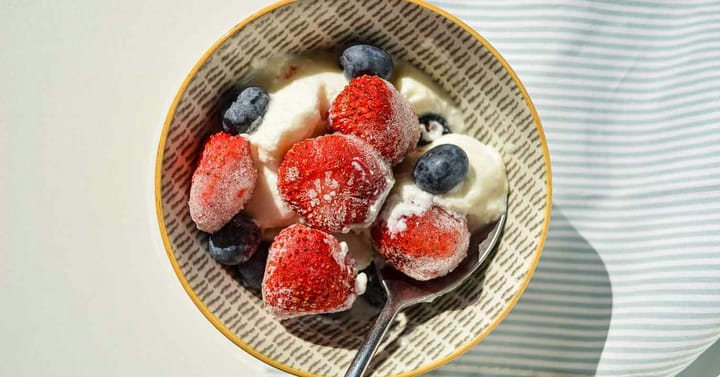
The protein in frozen yogurt makes the dessert attractive to GLP-1 users. Also, these consumers may find sweet flavors less pleasing, so they choose one of 16 Handles’ tart frozen yogurt flavors and top it with fresh fruit. The New York City-based brand launched Kefir Tart Soft Serve earlier this year, which appeals to consumers looking for probiotics and other better-for-you attributes.
Small indulgences are also trendy right now.
“We are self-service so you can get as much or as little as you want,” Hershman said. “That works not just for GLP-1 but for people who are tight on cash or time.”
At Clementine’s Ice Cream, one strategy is to give people more ways to enjoy the product, to fit their appetite and lifestyle.
“Our strength is indulgence, quality, and creating an exceptional experience,” said Tamara Keefe, CEO and founder. “That said, offering different portion sizes and understanding what today’s consumers are looking for is smart business.”
Keefe adds that it’s still too early to know how GLP-1 medications will impact the ice cream category long term, but it’s a trend the St. Louis-based brand is paying attention to.
“I think the bigger conversation is about how people are thinking differently about food and the choices they make,” she said.
Sometimes merchandising smaller desserts is a challenge. Mahana Fresh added GLP-1 friendly bowls to the menu, but kept its Chocolate Chip Cookie, Snickerdoodle, and Zucchini Brownie the same.
“We looked at making our brownies half the size,” said Dave Wood, founder and CEO. “We weren’t happy with how that looked.”
He said dessert sales have been steady, and the brand plans to test packaging two smaller brownies together, so the buyer can eat half later.
“The future of dessert isn't necessarily less indulgence,” said Badaracco. “It's more flexibility in how consumers choose to indulge.”
In this story
This story was originally published by Nora Caley in Nation's Restaurant News on October 27, 2026. Burnaze summarizes and links to the original reporting.
Read the full story at Nation's Restaurant NewsLiked this? Get the week's franchise news, explained
- Sunday 8 AM ET weekly + a monthly deep dive
- Sections picked for the industries you follow
- Every claim linked to its source. Free.