TL;DR
Molloy University replaced a vending machine with a Primepick robotic hot‑meal kiosk, boosting monthly sales from about $100 to roughly $1,000, a tenfold increase. The kiosk, which stores frozen meals from local restaurants and uses industrial microwaves and robotic arms, operates at no cost to the university.
The kiosk stores meals from restaurant partners in a frozen compartment, heats them in three industrial-grade microwave ovens and uses two robotic arms to move them between compartments, with orders ready in five to seven minutes.
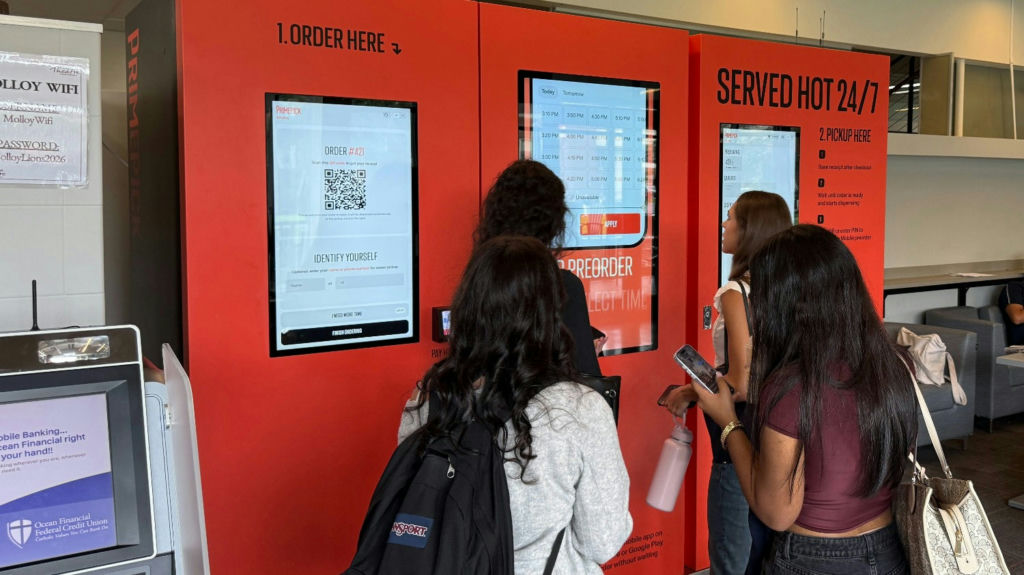
Molloy University is serving hot meals from local restaurants through a robotic kiosk, and it is selling far more than the vending machine that used to stand in its spot.
Since the Rockville Centre, Long Island-based university added a Primepick kiosk in November 2025, a typical month has averaged about $1,000 in sales, Sabrina Persaud, director of Campus Services at Molloy, told Fast Casual. The vending previously in that location brought in about $100 a month, she said. Based on her figures, the kiosk is generating roughly 10 times the monthly sales of the machine it replaced. Its best month so far reached about $1,500.
How the kiosk works
The kiosk stores meals from restaurant partners in a frozen compartment, heats them in three industrial-grade microwave ovens and uses two robotic arms to move them between compartments, with orders ready in five to seven minutes, according to a Primepick press release. Guests order at the screen, online or in an app and pick a pickup time, which the company says helps cut lines at busy times such as shift changes. Meals ordered ahead stay hot in a warming cabinet for 30 minutes. Each menu item lists allergens and nutrition facts, according to the release.
At Molloy, the menu includes dishes from local barbecue and Asian restaurants, and students pay with their university ID and meal plan, often ordering between classes and into the evening.
Why Molloy chose Primepick
Persaud said Molloy looked at other kiosk companies first. Many of them focused on a single category, such as ramen or pizza.
"PrimePick stood out because of its variety of meal options, including gluten-free, vegetarian, and vegan choices, allowing us to offer something for a wider range of dietary needs and preferences," Persaud said.
Molloy paid nothing for the kiosk, its maintenance or restocking. The university had previously removed a smart fridge from another vendor because it wasn't being maintained to the school's standards. In its release, Primepick said its software tracks inventory automatically, diagnoses faults and sends maintenance alerts to limit technician visits.
"The no-cost model allowed us to expand dining options on campus without a capital investment or added maintenance responsibilities," she said.
A new channel for restaurants
For restaurants, Primepick runs the kiosks as a marketplace, so the machines act as another sales channel for local eateries and dark kitchens.
"We partner with talented chefs and local restaurants who prepare every meal with the same care and creativity you'd expect in their dining rooms," Dmitry Vilbaum, Primepick CEO, said in the release.
The New York-based company was founded in 2024 by engineers from electric-vehicle startup Arrival. Its kiosks come in configurations holding 90 to 285 meals and meet NSF/ANSI 25, UL and FCC requirements.
What's next
Besides Molloy, Primepick has kiosks at manufacturing sites in New Jersey and Connecticut. It's adding a hospital and a nursing home in the Tri-State area, which will be its fourth and fifth sites, and is preparing deployments in Huntsville, Chicago and Dallas, with new installations in other states planned by early 2027.
Molloy hasn't committed to more units, but Persaud said the university is looking at adding a smaller kiosk in its dorms.
In this story
This story was originally published by Cherryh Cansler in FastCasual on November 11, 2026. Burnaze summarizes and links to the original reporting.
Read the full story at FastCasualLiked this? Get the week's franchise news, explained
- Sunday 8 AM ET weekly + a monthly deep dive
- Sections picked for the industries you follow
- Every claim linked to its source. Free.