TL;DR
GLP‑1 weight‑loss drugs are prompting fitness franchises to emphasize strength training and personalized coaching to retain members. Brands such as Anytime Fitness, Orangetheory Fitness and Snap Fitness are adapting their programs to support muscle preservation for GLP‑1 users.
As Weight-Loss Drugs Gain Popularity, Gyms Find New Ways to Attract and Retain Members
- GLP-1 weight-loss drugs are changing how consumers approach fitness and creating new opportunities for fitness franchises.
- Strength training is becoming increasingly important as people look to preserve muscle while losing weight.
- Fitness franchises are responding with personalized workouts, coaching and programs focused on long-term health.
- For franchise owners, the shift creates opportunities to attract new members, improve retention and build lasting relationships.
“Medication doesn’t replace fitness — it reframes how people engage with it,” says Mitchell Keyes, global vice president of operations at Anytime Fitness in a company blog about the GLP-1 era.
It’s an interesting perspective, especially as GLP-1 weight-loss drugs continue to make headlines and change the way people approach weight management.
For an industry that has long promoted weight loss as a reason to join a gym, these medications raise an interesting question: If people can lose weight without exercising, what does that mean for fitness franchises?
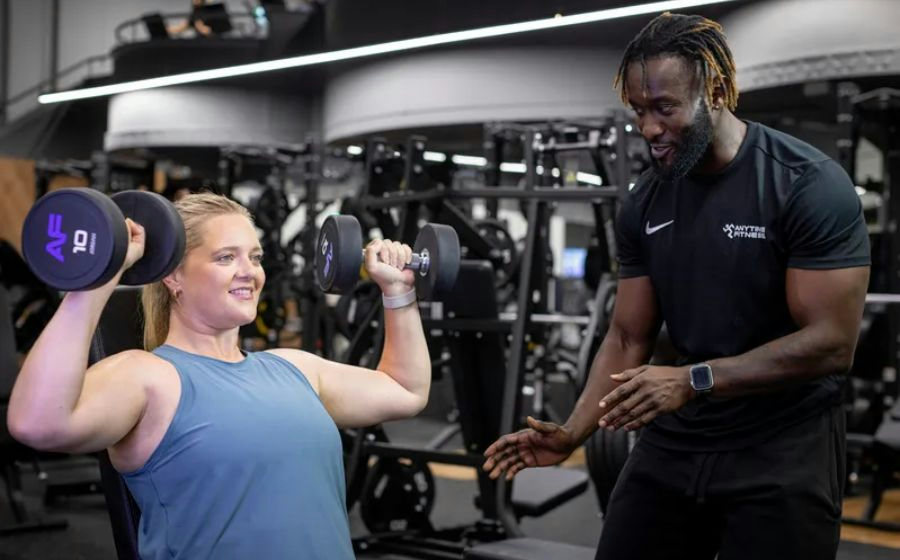
As it turns out, GLP-1 drugs could create new opportunities for fitness franchises. As more people turn to weight-loss medications, gyms are finding new ways to attract members through strength training, personalized coaching and programs focused on long-term health.
How GLP-1 Weight-Loss Drugs Work
GLP-1 stands for glucagon-like peptide-1, a naturally occurring hormone that helps regulate blood sugar and appetite. GLP-1 medications mimic the hormone’s effects, helping people feel full longer and reducing appetite.
Originally developed to treat type 2 diabetes, certain prescription GLP-1 medications are now approved for weight management. But while these medications can help people lose weight, weight loss alone doesn’t necessarily improve physical fitness.
During significant weight loss, people can lose muscle along with fat, making strength training especially important for preserving muscle mass.
Consumer priorities are shifting, too. According to figures cited by Orangetheory Fitness, 60% of Americans consider longevity and healthy aging key fitness motivators, while more than half prioritize building or maintaining strength and endurance.
Why Strength Training Matters for GLP-1 Users
As Dr. Gabrielle Lyon and author of The Forever Strong Playbook told Women’s Health, “Skeletal muscle is the organ of longevity.”
Muscle does much more than affect appearance. It supports bone health, joint stability and mobility as we age.
As GLP-1 use grows, fitness franchises have an opportunity to become partners in long-term health rather than simply destinations for weight loss.
“These drugs may help people lose weight, but they often lose muscle mass as well, which can compromise long-term health,” Sean Turner, CEO of Les Mills, told Athletech News in an article on fitness industry trends. “That’s why offering strength training in a motivational group environment is so important.”
Research supports the growing emphasis on strength training. According to a 2025 expert consensus paper, combining GLP-1 medications with resistance training and adequate nutrition can help preserve lean muscle during weight loss.
Rather than competing with weight-loss medications, gyms can complement them with structured exercise, personal coaching and support for building long-term habits.
How Fitness Franchises Are Adapting to GLP-1 Drugs
“GLP-1s can influence appetite and body weight, but they don’t teach consistency, confidence or how to manage stress and recovery,” Scott Brown, Orangetheory’s vice president of fitness, told Athletech News.
For fitness franchises, this creates an opportunity to build motivation beyond appearance. By focusing on strength, confidence and community, gyms can give members reasons to keep showing up long after they’ve reached their weight-loss goals.
Research cited by Anytime Fitness also suggests GLP-1 users could represent a growing market for gyms. According to the brand, nearly half of GLP-1 users already belong to a gym, while those who aren’t members are twice as likely as the general population to express interest in joining.
Orangetheory Fitness, for example, complements its traditional heart rate-based workouts with strength classes designed to help members build muscle and improve muscular endurance.
Anytime Fitness is also adapting to the changing market. The brand has introduced body composition scanners in nearly all its U.S. gyms, allowing trainers to monitor changes beyond weight and develop personalized workout plans. It’s also expanding its focus on nutrition, recovery and digital coaching to help members achieve long-term fitness goals.
Other fitness franchises are also moving beyond calorie burning, offering everything from strength training and recovery services to heated yoga and personalized nutrition guidance.
GLP-1 Drugs Create New Fitness Franchise Opportunities
GLP-1 medications may be changing how consumers approach weight loss, but exercise remains essential to long-term health.
Fitness franchises can capitalize on this shift by making strength training more accessible through beginner-friendly classes, small-group workouts and personalized plans that help members build and maintain muscle.
But it’s not just about the workouts. Knowledgeable trainers who understand recovery and the exercise needs of members taking GLP-1 medications can make a difference. Body composition tracking and access to registered dietitians can also help members measure progress beyond the number on the scale.
There’s also the question of keeping members engaged. By celebrating gains in strength, energy and mobility rather than pounds lost, franchises can give members new goals to pursue even after reaching their target weight.
For franchise owners, helping members set new goals could also create opportunities to improve retention and build longer-lasting customer relationships.
Some fitness franchises were already moving in this direction before GLP-1 medications became widely used for weight loss.
“We saw an opportunity to reposition Snap Fitness entirely, focusing on exercise from the perspective of how it makes you feel, not just how it makes you look,” Ty Menzies, CEO of Lift Brands and Snap Fitness, told Athletech News.
For fitness franchises, the next big opportunity may go beyond helping people lose weight. It may be helping them build the strength, confidence and healthy habits to feel good for years to come.
In this story
This story was originally published by Sarah Abrahamsen in Franchise Wire on November 14, 2026. Burnaze summarizes and links to the original reporting.
Read the full story at Franchise WireLiked this? Get the week's franchise news, explained
- Sunday 8 AM ET weekly + a monthly deep dive
- Sections picked for the industries you follow
- Every claim linked to its source. Free.