TL;DR
Burger King has reclaimed the No. 2 spot in the U.S. burger category with 8.4 percent sales growth, and its parent company sees years of opportunity left in improving the food, fixing restaurants, and winning back families. The chain's U.S. same-store sales climbed 8.4 percent in the third quarter, and systemwide sales rose 7.5 percent.
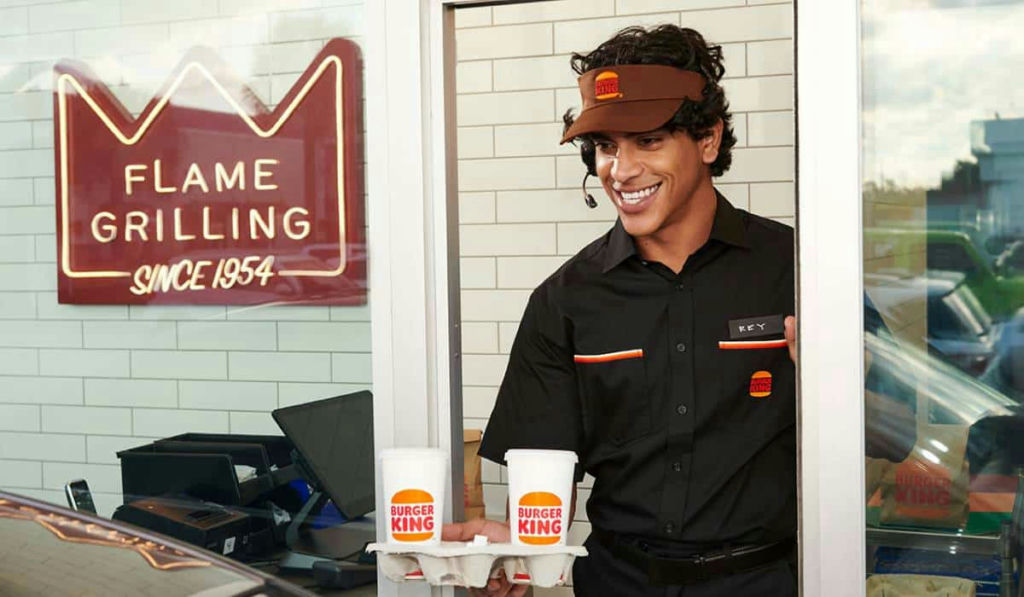
Burger King’s comeback is giving the chain a bigger share of the U.S. burger business, and its parent company sees years of opportunity left in improving the food, fixing restaurants, and winning back families.
U.S. same-store sales climbed 8.4 percent in the third quarter, and systemwide sales rose 7.5 percent. RBI said Burger King widened its sales performance advantage over burger quick-service peers to nearly 10 percentage points and reclaimed the No. 2 position in the U.S. burger category (passing Wendy’s).
The gains follow investments through Reclaim the Flame and a menu improvement campaign that has already reached the Whopper and chicken nuggets. CEO Joshua Kobza said the chain’s recent franchisee convention in Miami revealed enthusiasm to keep improving, even after a strong first half and another quarter of growth.
“There’s no appetite for a victory lap or complacency,” Kobza said. “We still see lots of opportunities in front of us, and we’re very focused on capturing them.”
Sales growth momentum
The work is helping Burger King earn consideration from consumers who previously passed it by. RBI chairman Patrick Doyle said 78 percent of consumers now include the chain in their consideration set, compared with 70 percent three years ago. That gives the brand a larger pool of potential customers as it updates restaurants and makes its food more appealing.
The results also extend a longer run of competitive gains. Doyle said Burger King has outperformed the industry for more than four years, including three consecutive quarters of exceptional results. He pointed to franchisee investment and higher operating standards as reasons for confidence in the business.
The latest menu changes offer evidence of how much sales opportunity exists within familiar products. Average unit volumes for the core Whopper business increased by double digits year-over-year. King Jr. kids meals grew 40 percent, and nuggets increased more than 35 percent.
Burger King continued promoting its upgraded Whopper through variations such as the Texas Whopper. In September, the chain introduced chicken nuggets with crispier breading, juicier chicken, and more premium packaging, supported by a revamped sauce lineup.
Those changes addressed customer feedback and produced a response that exceeded the company’s expectations. Kobza said Burger King is attracting new guests, getting nuggets into more orders, and narrowing its competitive gap in a category that matters to children and families.
The nugget launch and a Dragon Ball Z collaboration helped push King Jr. average unit volumes to their highest level in more than a decade. Even with that improvement, volumes are still well below historical peaks, leaving room to rebuild the family business.
A Hello Kitty kids meal collaboration recently launched, and another holiday partnership is planned. Kobza said the strongest collaborations fit the brand and appeal across generations. Execution extends from the food to the packaging, which he cited as a successful element of last December’s SpongeBob promotion.
Customer retention strategies
These partnerships give customers who stopped visiting a reason to return and experience the changes Burger King has made. The value of those visits depends on what happens afterward.
“And one of the most exciting things that we’ve seen over this past year is our retention and revisit rates with Burger King have improved markedly, which I think is a very clear sign that when we bring people back, the underlying operations improvements are causing them to return again,” Kobza said.
Burger King is supporting those initiatives with $5 Duos and $7 Trios. The offers have kept value incidence steady, even as more premium menu categories deliver outsized growth. The chain’s gains therefore include demand for upgraded products alongside its accessible price points.
Restaurant improvements plans
Restaurant improvements are another major source of potential sales growth. Kobza estimated that roughly 60 percent of the system has completed remodels, with substantial work left to move toward 85 percent and higher. The company plans to use its next elevation campaign chapter to showcase changes to restaurant appearance.
The sales difference at updated restaurants helps explain the investment priority. An analyst placed system average unit volumes at roughly $1.7 million to $1.8 million. CFO Sami Siddiqui said restaurants with Sizzle remodels average approximately $2.2 million or more.
However, record beef inflation has pressured franchisee profitability and complicated the pace of investment. Siddiqui said the system is starting to see some relief, with additional improvement expected next year. Lower pressure on restaurant earnings could help operators complete projects faster.
“The top line is going really well. There’s a ton of momentum, a ton of excitement from franchisees,” Siddiqui said.
The remodel schedule could take somewhat longer than previously expected. Siddiqui said RBI anticipates getting most of the system to a modern image in the general 2028–2029 timeframe. He described remodeling as one of the best ways to lift restaurant sales.
Operational consistency also needs more work. Kobza said Burger King is much more consistent than three or four years ago, although some pockets of the system still fall short. Bringing those restaurants up to the desired standard could take another year or two.
RBI is also transferring more Burger King restaurants to franchisees. The company accelerated refranchising in the third quarter and reached 135 restaurants refranchised year-to-date through October 23. It expects to refranchise a couple hundred restaurants this year, with activity accelerating further in 2027. The company expects to retain 300–500 corporate restaurants, probably toward the lower end of that range.
The menu pipeline stretches across several years as well. Kobza said time in the test kitchen with the Burger King team and Doyle has left the company deciding how to sequence improvements to additional products. Customer feedback will guide that work, just as it did with the Whopper and nuggets.
Burger King could also bring successful ideas from overseas into U.S. restaurants in 2027. Kobza declined to identify specific products headed stateside. The company has shared ideas across markets involving larger burgers, sliders, and sauces, giving the U.S. team additional possibilities as it builds its calendar.
“So you can kind of tell across all of the core work streams. There’s a lot of progress, but I think we have multiple years left in front of us across each of those core work streams where we’re going to be able to surprise and excite our guests in new ways and keep driving sustained outperformance,” Kobza said.
This story was originally published by Ben Coley in QSR Magazine on October 29, 2026. Burnaze summarizes and links to the original reporting.
Read the full story at QSR MagazineLiked this? Get the week's franchise news, explained
- Sunday 8 AM ET weekly + a monthly deep dive
- Sections picked for the industries you follow
- Every claim linked to its source. Free.