
Survey: 88% Express Concern About Tariffs
A majority of U.S. consumers express concern about tariffs, with 88% expressing concern about their impact on personal finances and shopping habits.
· Franchising.com· June 25, 2025
Numerator is a company in Burnaze's franchise knowledge graph, mentioned since 2021. 64 stories link here, each summarized from the original publisher.
A majority of U.S. consumers express concern about tariffs, with 88% expressing concern about their impact on personal finances and shopping habits.

Consumer confidence decreased in April, with 33% of consumers thinking it's very or somewhat difficult to find employment in the current job market.

Two recent surveys found that a majority of U.S. households harbor concerns about tariffs, recession, and stock-market volatility.
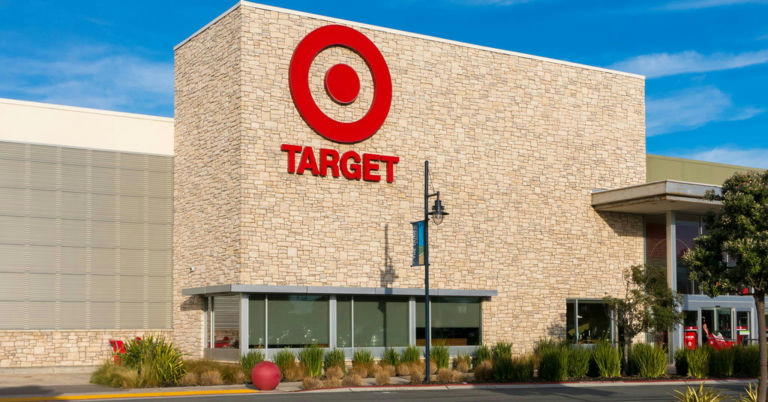
After Target rolled back its DEI programs, the retailer experienced a drop in store traffic, according to Numerator's report, The Impact of DEI Cuts on Retail.

According to Numerator's latest survey, 83% of U.S. shoppers say they're aware of new or proposed tariffs, up significantly from 53% in December 2024.

Consumer confidence increased in December with growing levels of comfort across the board.

TikTok to be banned on Jan. 19 under new law.

Consumer confidence held steady in November, with small increases in job-market confidence and confidence in household finances.

Merry Christmas. Numerator tracked purchase data of U.S. shoppers and discovered that 90% planned to celebrate Christmas.

Consumer confidence decreased slightly in October, with declining levels of comfort across the board, according to The Numerator Consumer Sentiment Tracker.
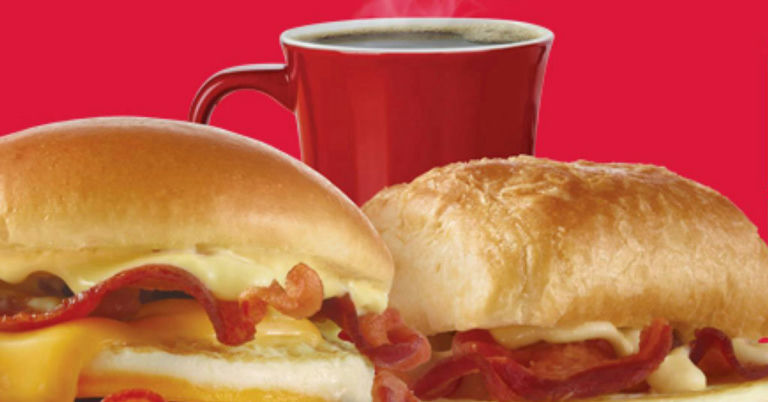
In October, Wendy's launched the "Krabby Patty Kollab," which features two new menu items: a Krabby Patty burger and a Pineapple Under the Sea Frosty.

62% of U.S. consumers plan to celebrate Halloween, with top purchases including candy, decorations, and food.

Gen Alpha has an estimated $28 billion in direct purchasing power, with 53% of Gen Alpha parents giving some sort of allowance to their children.

McDonald's leads in household penetration with 87% of US households visiting in the past 12 months.

Consumer confidence decreased in August, driven by a drop in the job market score.
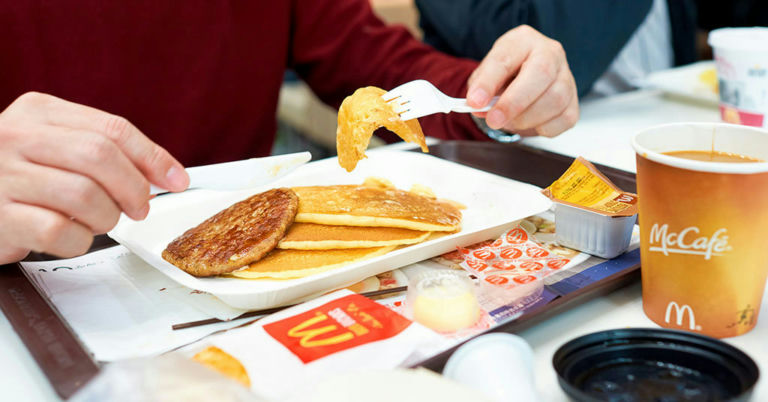
McDonald's and Dunkin' both announced $6 breakfast meal deals last week, hoping to appeal to value-minded consumers.
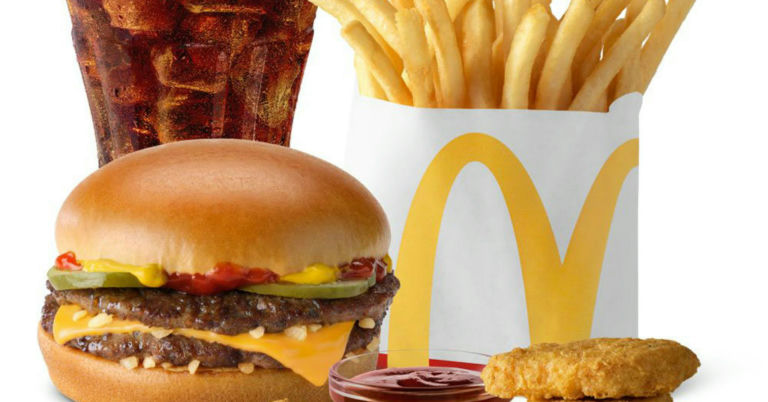
In late June, McDonald's released its $5 Meal Deal. It was intended as a limited-time promotion but was recently extended at least through the end of August.

Consumer confidence jumps in June with 40% finding employment easy.

TikTok users and their sentiment around the situation, overall social media habits, and potential apps that could fill the TikTok void.

Numerator survey shows consumer confidence steady at 56.8 in May.

Consumer confidence dips in April, with consumers expressing concerns about the job market, nonessential spending, and their ability to make ends meet.

Consumer confidence increases in March, driven by increased comfort in the job market and nonessential spending.

Consumer confidence was up slightly in February, driven by increased comfort with discretionary spending.

More than half of the U.S. population uses mobile payments when shopping.